Tree Stand Seat Pads: Warm, Quiet Comfort for Long Sits (2026)
A hunter-friendly guide to tree stand seat pads and cushions: quiet materials, real insulation, the right thickness, secure attachment, and the top picks for staying comfortable and still on long, cold sits.
As an Amazon Associate, Deer Hunting Success may earn from qualifying purchases.
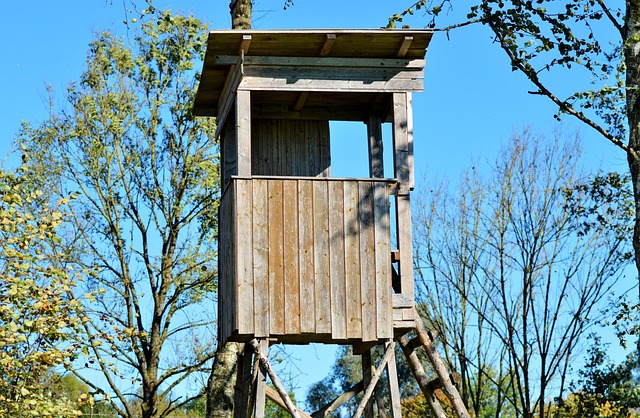
Tree Stand Seat Pads: Warm, Quiet Comfort for Long Sits (2026)
Stay warm, stay still, and stay out longer. A good seat pad is the cheapest upgrade that keeps you in the tree when the big buck finally steps out.
🦌 Long-Sit Comfort
🤫 Quiet Materials
🔥 Cold-Weather Insulation
🎯 2026 Top Picks
The hunter who sits longest usually fills the tag. Most mature bucks move at the edges of the day, and the person still on stand at 10 a.m. beats the one who climbed down cold at 8:30. A quality tree stand seat pad is the small piece of gear that lets you stay put, quiet, and comfortable through those slow hours.
This guide breaks down exactly what makes a seat pad worth buying. You will learn how
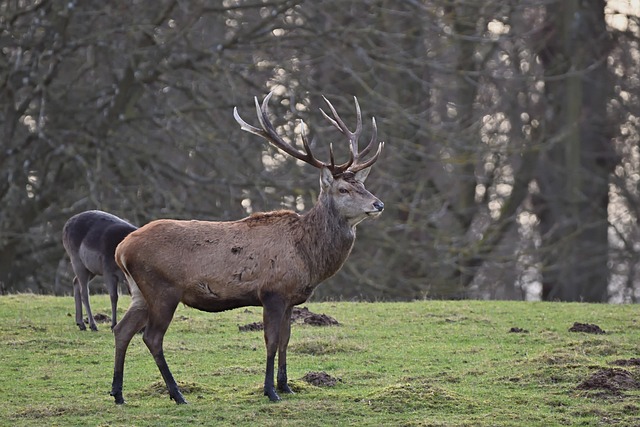
Match the Seat Pad to Your Stand Type
The best pad for you depends on the seat you already own. Different stands have different seats, and a pad that shines on one can be clumsy on another.
Hang-on and climbing stands
These usually have small, hard, or mesh seats and are the number one candidate for a good pad. Go with a strap-on insulated pad sized to the small seat so it does not overhang and catch brush. Warmth matters most here because your feet and seat are exposed to moving air.
Ladder stands
Ladder seats are often wider and sometimes flip up. Measure the full seat and pick a pad that reaches the front edge. A strap or hook-and-loop mount keeps the pad from flopping when the seat is raised and lowered.
Box blinds and tripods
If you hunt from a chair inside a box blind or a tripod, comfort beats warmth since you are shielded from wind. A thick memory-foam cushion with a carry handle is ideal, and it can ride between the blind and your ground setups.
Whatever you hunt, safety comes first. A pad should never lift you so high that your harness and lineman’s belt no longer fit right. If you are still choosing a setup, our tree stand buyers guide walks through seats, safety, and fit before you spend on accessories.
Common Mistakes Hunters Make With Seat Pads
A seat pad is simple, but a few easy mistakes cost hunters comfort, warmth, and even shots. Avoid these and your pad will earn its keep every sit.
- Mistake: Buying the thinnest, cheapest pad to save a few dollars. Fix: Choose a mid-thickness quality foam pad. A pad that flattens in one season is not a bargain.
- Mistake: Ignoring shell noise until you are in the tree. Fix: Test the fabric at home. If it hisses or crinkles under your hand, deer will hear it.
- Mistake: Using open-cell foam in wet weather. Fix: Pick a closed-cell or water-resistant pad so it does not soak up rain and freeze.
- Mistake: Letting the pad slide on a slick seat. Fix: Use a strap or a no-slip bottom so it stays planted and silent.
- Mistake: Forgetting the pad on the walk in and dropping it. Fix: Clip it to your pack or use a pad with a carry strap so your hands stay free.
- Mistake: Stacking a pad so thick it fouls your harness fit. Fix: Keep total loft reasonable and re-check your harness and tether after adding a pad.
Pro Tips for Maximum Comfort and Stealth
Small habits turn a good pad into a great all-day system. These are the tricks veteran stand hunters use to stay warm, still, and ready.
- 💡 Warm it before you climb. Keep the pad inside your jacket on the walk in on brutal mornings so you sit down on warm foam, not cold.
- 💡 Add a back pad, not just a seat pad. Lower-back fatigue ends more sits than a sore seat. A lumbar pad buys real extra hours.
- 💡 Silence every clip and buckle. A wrap of camo tape or a dab of foam on hardware stops the metallic clink that carries in cold air.
- 💡 Bring a second pad for your feet. A small foam square under your boots blocks cold rising off the platform and keeps toes warm.
- 💡 Match the pad to the day. Carry a thin quiet pad for mild sits and a thick insulated one for cold fronts, and grab the right one.
- 💡 Dry it out after every hunt. A damp pad loses warmth and grows mildew. Air it out at home so it is ready next time.
Comfort and scent control go hand in hand on long sits. The longer you stay put, the more your scent can build, so pairing a warm pad with smart scent habits from our guide to the best cover scents for deer hunting keeps you both comfortable and hidden.
Care, Cleaning, and Making Your Pad Last
A seat pad lives a hard life. It gets rained on, sat on wet, dragged through brush, and stuffed in a pack. A little care keeps it warm and quiet for many seasons instead of one.
Cleaning
Most pads clean up with a damp cloth and mild soap. Wipe off mud, blood, and sap after each hunt before they set. Avoid harsh solvents that can break down foam or leave a scent that tips off deer. For fleece-faced shells, a soft brush lifts dirt without matting the nap that keeps it quiet.
Drying and storage
Always dry a pad fully before storing it. Trapped moisture flattens foam, breeds mildew, and adds odor. Stand it on edge in a dry room, not near a hot heater that can warp the foam. Store it flat or loosely rolled rather than crushed under heavy gear, since long-term compression is what kills loft.
Quick-facts and cost reference
| Factor | Budget Pad | Quality Pad |
|---|---|---|
| Typical price | 10 to 20 dollars | 30 to 50 dollars |
| Foam lifespan | 1 season | 4 to 6 seasons |
| Warmth | Minimal | High, often reflective |
| Noise | Often crinkly | Brushed and quiet |
| Cost per season | 10 to 20 dollars | About 8 dollars |
Do the math and a quality pad is cheaper over time than replacing a flimsy one every fall. Treat it well and it will keep you in the tree for many seasons of long, still sits. 🦌
Frequently Asked Questions
How thick should a tree stand seat pad be?
For most stand hunters, three quarters of an inch to one and a half inches of quality foam is ideal. Thinner works for short mild sits, while one and a quarter to one and a half inches is better for cold, all-day hunts. Avoid going so thick that you feel unstable or your harness no longer fits right.
Are seat pads really quieter than a bare seat?
Yes. A soft, brushed-shell pad absorbs the small sounds a bare metal or mesh seat makes when you shift, and a no-slip or strapped pad stops sliding. Together that lets you adjust your position without the squeaks and pops that make deer look up.
What foam is best for cold weather?
Closed-cell foam is the top choice for cold and wet weather because it blocks heat loss and does not soak up water. For the coldest sits, look for a pad with an added reflective layer that bounces your body heat back toward you.
Can I use one cushion for my tree stand and ground blind?
Absolutely. A thick memory-foam cushion with a carry handle or strap moves easily between a tree stand, a ground blind chair, and a bucket seat. If you hunt several ways, a versatile cushion is a smart single buy.
Will a seat pad affect my safety harness fit?
It can if you go too thick. Adding loft raises where you sit, so always re-check your harness and tether after installing a pad. Keep the total thickness reasonable and make sure your lineman’s belt and tether still ride correctly.
How do I keep my pad from sliding off the seat?
Use a pad with an attachment strap that loops the seat frame, or one with a rubberized no-slip bottom. On very slick seats, a strap is the most reliable way to keep the pad planted and silent all sit long.
- ✔ Pick the right thickness: thin for mild sits, one and a quarter inch or more for cold
- ✔ Choose a quiet brushed or fleece shell, not crinkly nylon or vinyl
- ✔ Go closed-cell or reflective for cold, wet weather
- ✔ Match the pad size to your seat so it reaches the front edge
- ✔ Confirm a secure strap or no-slip bottom so it stays put
- ✔ Re-check your safety harness fit after adding the pad
- ✔ Add a back pad and a foot pad for marathon sits
- ✔ Dry it fully after every hunt so it lasts many seasons
A great sit starts from the seat up. Get warm, quiet, and comfortable under you, and everything else about your hunt gets easier. You will stay in the tree through the slow hours, keep still when it counts, and be ready when that buck finally slips into range. Spend a little on the right pad now, and let it pay you back in tag soup and long, patient mornings all season long. 🎯🦌