Natural Ground Blinds: Build a Free Brush Hide for Deer (2026)
Learn how to build a natural ground blind from brush, limbs, and terrain for free. Get concealment tips, setup steps, and hunting tactics that put deer in bow and gun range.
As an Amazon Associate, Deer Hunting Success may earn from qualifying purchases.
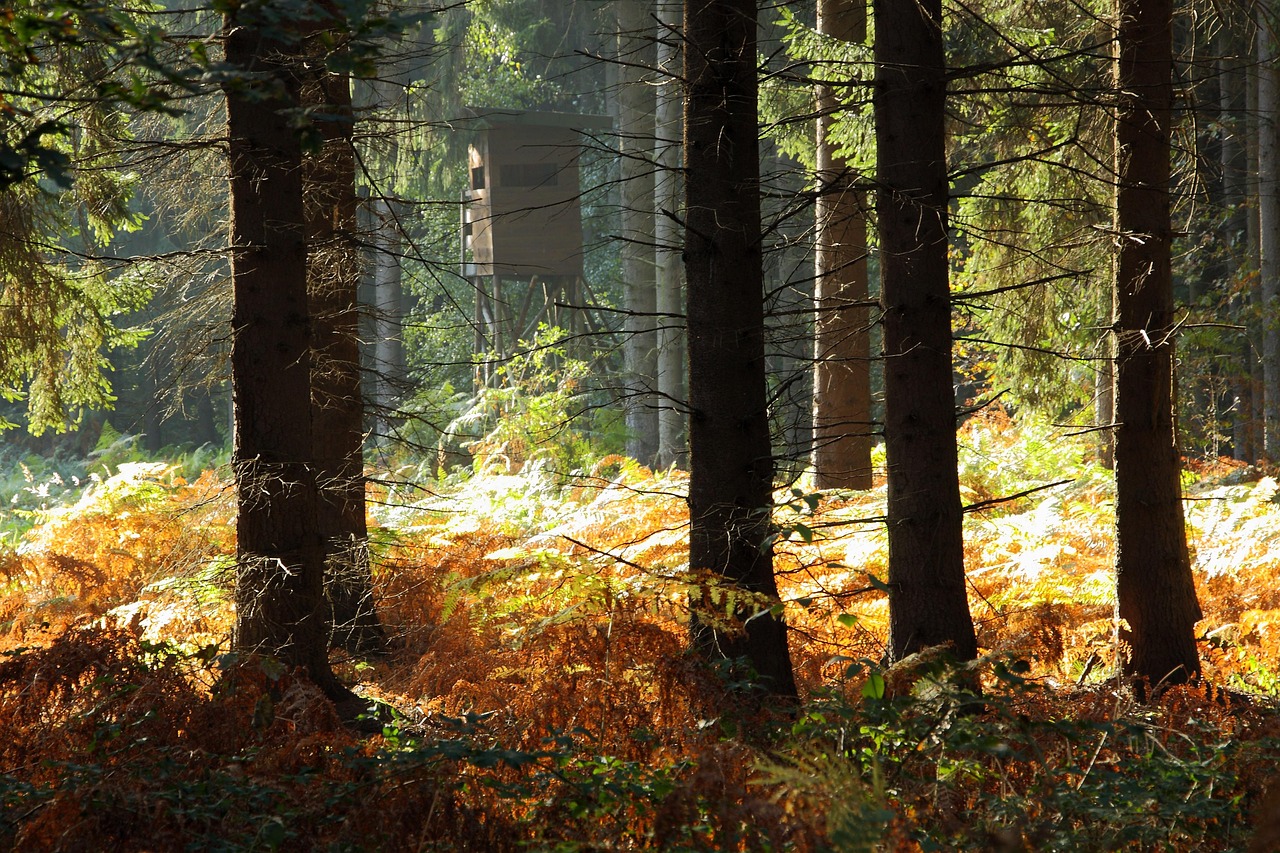
Natural Ground Blinds: Build a Free Brush Hide for Deer (2026)
Hide in plain sight. Build a natural ground blind from brush, limbs, and terrain that costs nothing and puts you close to deer.
🌿 Free to build🎯 Deadly concealment🦌 Bow and gun ready🍃 Blends with the woods
A natural ground blind is the cheapest, quietest, and most deadly hide you can hunt from. You build it out of what the woods already gives you: fallen limbs, brush, tall grass, and the shape of the land itself. Deer walk past these hides every day because

Use dead and downed limbs for the frame, then weave in leafy or needled branches for cover. Tall grass, cattails, cornstalks, and pine boughs fill small holes. Always match your materials to the surrounding woods, so a cedar hide sits among cedars and an oak-leaf hide sits under oaks.
| Material | Best Use | Notes |
|---|---|---|
| Fallen limbs | Frame and walls | Strong, quiet, easy to stack |
| Cedar or pine boughs | Thick cover | Stays green, hides movement |
| Brush and vines | Filling gaps | Weave through the frame |
| Tall grass or cattails | Field-edge hides | Blends in open ground |
| Deadfall and logs | Base and backrest | Great natural anchor |
| Cornstalks | Ag-field blinds | Matches crop cover |
Cut only what you need, and take it from out of sight of your hunting spot so you do not thin the cover deer use to reach you. A tidy, well matched hide looks like it grew there on its own.
Tools That Speed Up the Build
You can build a natural blind with bare hands, but a few simple tools make it faster, quieter, and cleaner. A sharp saw and a pair of pruners turn a one-hour job into twenty minutes. Cutting clean also helps limbs stay green longer, which keeps your cover fresh.
A folding hand saw is the workhorse. It cuts limbs up to a few inches thick and folds away safe in your pack. Ratcheting pruners snip small branches for weaving into gaps. A light pair of gloves protects your hands from thorns and sap. That is really all you need.
Keep your tools quiet and rust free. A drop of oil on the saw pivot stops squeaks, and a quick wipe after each use keeps the blade sharp. Store everything in a scent-free bag so it does not pick up truck or garage odor. Here is a reliable pick that fits any pack.
A compact folding saw is the fastest way to cut clean limbs for your hide. It slips into any pack and handles branches up to three inches thick with ease.
- ✅ Cuts green limbs fast and clean
- ✅ Folds safe for pack or pocket
- ✅ Sharp teeth mean less noise
- ✅ Tough enough for years of seasons
Our pick on Amazon: Bahco Laplander Folding Saw, 7-1/2 inch BladeThe specs above describe what to look for. Check the listing for this model’s exact specifications and current price.
Price and availability on Amazon.com. This site may earn a commission.
Step-by-Step Build Guide
Building a natural blind follows a simple order. Work quietly, wear gloves, and step back often to check how you look from where the deer will come. Here is the proven sequence.
1. Set the Backdrop
Start with cover behind you. A tree trunk, deadfall, or thick brush at your back hides your outline and stops deer from seeing you against the sky. This one step does more than any other.
2. Build the Frame
Push a few sturdy limbs into the ground to form side walls, or lean them against your backdrop. Aim for a half-circle that hugs your seat. Keep the front low, about chest high when seated, so you can shoot over it.
3. Add Cover and Fill Gaps
Weave leafy or needled branches through the frame. Fill holes with brush, grass, and boughs until light no longer shines through at deer-eye level. Leave the inside a little open for elbow room.
4. Cut Your Shooting Lanes
Trim just enough to open clear windows where you expect a shot. Do not over-clear. Two or three small lanes are plenty. Then sit down and look out, sweep your bow or gun through each lane, and brush your feet area so pale boots do not glow. A tidy build like this pairs well with solid deer hunting tips for the sit. 💡
Breaking Up Your Outline
Even a great brush pile fails if your head and hands stand out. Deer notice shape, shine, and movement first. Concealment means erasing those three things so you melt into the cover.
Start with your silhouette. Sit low with cover above your head, not just in front. A few branches arched overhead break the classic human head-and-shoulders shape that deer key on. Keep some brush between you and the trail at all times.
Next, kill shine. Cover your face with a mask or paint, and wear gloves. A bare face is a bright oval that a deer picks out at fifty yards. Dull any gear that reflects light, and keep your bow or scope shaded.
Finally, hide movement. Build enough cover that you can draw or raise your gun behind it. Add a light layer of camo netting or burlap on the inside of the frame to blur motion without changing your natural look. This is where a little added material earns its keep.
A roll of lightweight camo netting or burlap adds instant movement-hiding cover to any brush hide. Drape it inside the frame and weave real branches through it.
- ✅ Hides your draw and gun raise
- ✅ Blends with woven-in branches
- ✅ Folds tiny in your pack
- ✅ Reusable across many setups
Our pick on Amazon: LOOGU Camo Netting for Hunting and Shooting BlindsThe specs above describe what to look for. Check the listing for this model’s exact specifications and current price.
Price and availability on Amazon.com. This site may earn a commission.
Shooting Lanes and Getting the Shot
A natural blind is a shooting platform, so plan your lanes before you ever sit to hunt. The goal is clear windows to your likely shot spots without opening so much that deer see through your cover.
Plan for Your Weapon
Bowhunters need lanes for a drawn bow and room to swing at full draw. Trim narrow windows at fifteen to twenty-five yards along the trail. Gun hunters can keep lanes tighter and reach farther, so one open shooting window across a field edge may be enough.
Mark Your Ranges
Before season, range a few landmarks like a rock, a stump, or a lone tree. Note the yardage so that when a deer steps out you already know the distance. This stops the guesswork that ruins shots under pressure.
Keep a rest in mind too. A shooting stick, a bipod, or a solid limb across the front of your blind steadies a rifle for a clean shot. For a bow, make sure your top limb clears the front edge. Practice from a seated position at home, because a ground shot feels different from a stand. Steady lanes plus patience fill more tags. 🎯
Scent, Wind, and Staying Still
At ground level you are right in a deer’s nose zone, so scent control matters even more than in a tree. The best built blind cannot beat a bad wind. Always play the wind first and let it carry your smell away from the trail.
Start clean. Wash your hunting clothes in scent-free soap, store them in a sealed bag, and dress at the truck or in the field. Spray down with a cover or elimination scent before you walk in. Keep a small bottle in your pack for touch-ups during long sits.
Wind Beats Everything
Check the wind with a puffer bottle or milkweed as you set up, not just from the forecast. Swirling wind in low ground can betray you fast. If the wind turns wrong, be ready to move to a backup blind on the other side of the trail.
Movement is the last piece. Deer forgive a lot of smell if they see nothing move, but they bolt at motion even when the wind is perfect. Sit still, move only when heads are down or turned, and let the blind hide the small stuff. For extra help, look at the best cover scents that keep you hidden. 🍃
Common Mistakes to Avoid
Most natural blind failures come from a few simple errors. Dodge these and your success rate climbs fast.
- Mistake: Building with no backdrop, so you are skylined. Fix: Always put a tree, deadfall, or thick brush behind you.
- Mistake: Clearing too many shooting lanes and gutting your cover. Fix: Open only two or three small windows.
- Mistake: Using fresh-cut green limbs that clash with brown fall woods. Fix: Match your materials to the color around you.
- Mistake: Building the day you hunt and spooking deer. Fix: Build a week ahead so deer accept it.
- Mistake: Ignoring the wind and letting scent blow to the trail. Fix: Set the blind so wind carries away from deer.
- Mistake: Sitting too high so your head pops over the cover. Fix: Lower your seat or raise the front wall.
Here is a quick-facts table to keep your build on track.
| Quick Fact | Detail |
|---|---|
| Cost to build | $0 with found materials |
| Build time | 30 to 60 minutes |
| Best build timing | 1 to 2 weeks before hunting |
| Front wall height | Chest high when seated |
| Bow shot range | 15 to 25 yards |
| Shooting lanes | 2 to 3 small windows |
Pro Tips for Deadly Natural Blinds
These small touches separate a rough brush pile from a hide that fools old bucks year after year.
The best natural blind is one a deer has already walked past a hundred times without ever knowing a hunter could sit there.
- 💡 Build several blinds on the same property so you always have one that fits the wind.
- 💡 Clear the ground of leaves and sticks where your feet go so you sit silent.
- 💡 Add cover above your head, not just in front, to kill your silhouette.
- 💡 Keep a cushion or low seat for comfort, since a still hunter sits longer.
- 💡 Let a new blind age a week or two so rain and time blend it in.
- 💡 Face away from the rising or setting sun to hide movement and protect your eyes.
Tie these habits together with steady scouting and patience. A hunter who sits a good blind quietly will beat a restless hunter with expensive gear nearly every time.
Frequently Asked Questions
How long does it take to build a natural ground blind?
Most hunters build a solid hide in thirty to sixty minutes. If you use existing cover like a fallen tree or brush pile, you can finish in as little as fifteen minutes because half the frame is already there.
When should I build my blind before the season?
Build one to two weeks before you plan to hunt it. This gives deer time to accept the new shape and lets rain and wind blend the cut limbs into the woods. Building the same day you hunt can spook wary deer.
Can I bowhunt from a natural ground blind?
Yes. Natural blinds are excellent for bowhunting because you sit close and hidden. Just build enough cover to hide your draw and open narrow lanes at fifteen to twenty-five yards where you expect a shot.
Do natural blinds work for mature bucks?
They can be the best choice for older deer. Because the hide is made of the same brush deer see daily, it does not trigger the alarm a new fabric blind can. Play the wind well and stay still, and mature bucks will walk right in.
What is the biggest mistake with natural blinds?
Skipping a backdrop. Without cover behind you, deer see your outline against the sky or open woods. Always set your blind against a tree, deadfall, or thick brush so your shape disappears.
Do I need any tools to build one?
No tools are required, but a folding saw and pruners make the job much faster and cleaner. They let you cut limbs quietly and shape tight shooting lanes without tearing at branches by hand.
Your Natural Blind Checklist
- ✅ Scout a spot on a trail, funnel, or field edge with fresh sign
- ✅ Set your blind against a solid backdrop
- ✅ Play the wind so scent blows away from deer
- ✅ Build from matching brush, limbs, and boughs
- ✅ Keep the front wall chest high when seated
- ✅ Open only two or three small shooting lanes
- ✅ Range your landmarks before season
- ✅ Add cover above your head to hide your outline
- ✅ Build one to two weeks early so deer accept it
- ✅ Sit still, dress scent free, and enjoy the hunt
A natural ground blind proves that you do not need fancy gear to get close to deer. With a saw, some brush, and a good spot, you can build a hide that costs nothing and hides you better than store-bought cover. Get out there, build a few, and let the woods do the work for you. Good luck this season! 🦌