Deer Antlers Explained: Growth, Velvet, Scoring and Age (2026)
A complete plain-English guide to deer antlers, covering the yearly growth cycle, velvet, shedding, points, scoring, and how a buck's age and nutrition shape his rack.
As an Amazon Associate, Deer Hunting Success may earn from qualifying purchases.
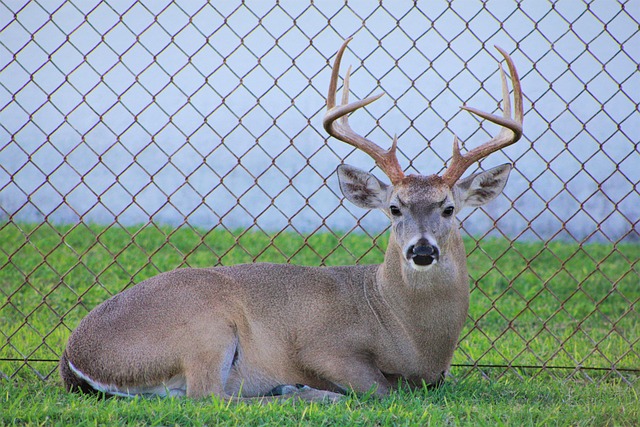
Deer Antlers Explained: Growth, Velvet, Scoring and Age (2026)
From the first spring nub to a shed antler in the snow, here is how a buck’s rack really grows, why it falls off, and what makes it big.
🦌 Growth Cycle🌱 Velvet Stage📏 Scoring Basics🥩 Age & Nutrition
Deer antlers are the fastest-growing bone found on any mammal on Earth. A healthy whitetail buck can grow a full set in roughly four months, carry it through fall, then drop the whole thing and start over the next spring. Once you understand that yearly cycle, you can read a buck’s age, health, and even his stress level just by looking at his head. 🦌
This guide breaks it all down in
Deer Antler FAQ
Do female deer ever grow antlers?
It is rare but possible. A doe with unusually high testosterone can grow small antlers, often still in velvet. Caribou are the one deer species where females routinely grow antlers, but for whitetails an antlered doe is an oddity you might see once in a lifetime.
How fast do antlers actually grow?
During the peak of summer, whitetail antlers can add up to about half an inch per day. That makes antler tissue among the fastest-growing bone known in the animal world, which is why good nutrition during those months matters so much.
Does rubbing velvet off hurt the deer?
No. By the time a buck rubs, the velvet is already dead and the blood supply is gone. The velvet dries, itches, and peels, and rubbing just speeds it up. It may look dramatic, but the buck feels little more than an itch.
Can you tell a buck’s exact age from his antlers?
Not precisely. Antlers give hints, but body features like belly sag, neck swelling, and leg length are more reliable. The only sure way to age a deer is by examining tooth wear or a cross section of a tooth in a lab.
Are bigger antlers always older deer?
Usually, but not always. Age, nutrition, and genetics all play a part. A well-fed 4.5-year-old on great habitat can out-antler an older buck living on poor ground. Age is the biggest single factor, but food and genes shape the final result.
What should I do with antler sheds I find?
Sheds make great decor, dog chews, and craft material, and they help you track which bucks survived. Some hunters even turn matched sets into rattling tools. If you want a project, see our tips on using them, from crafts to a homemade antler mount.
- ✅ Understand antlers are bone that regrows every year, not horns.
- ✅ Know the cycle: growth in spring, velvet in summer, hard in fall, shed in winter.
- ✅ Remember age is the biggest driver of antler size.
- ✅ Feed deer high-protein forage during the spring and summer growth window.
- ✅ Judge racks using body reference points like ear width and beam mass.
- ✅ Grasp scoring basics: length, points, mass, spread, minus symmetry deductions.
- ✅ Start shed hunting near food and bedding after the late-winter drop.
Antlers are one of the most fascinating stories in the woods, written fresh every single year. 🦌 The more you understand the growth cycle, velvet, shedding, scoring, age, and nutrition, the more each buck tells you the moment you spot him. Take this knowledge into the field, be patient with young deer, feed your herd well, and the racks around you will only get better season after season. Good luck out there.