Tree Stand Camo and Concealment Branches: Hide Better (2026)
Learn how to break up your tree stand outline, brush in your stand, and choose the best concealment branches, umbrellas, and camo netting for 2026 so deer never pick you out of the tree.
As an Amazon Associate, Deer Hunting Success may earn from qualifying purchases.
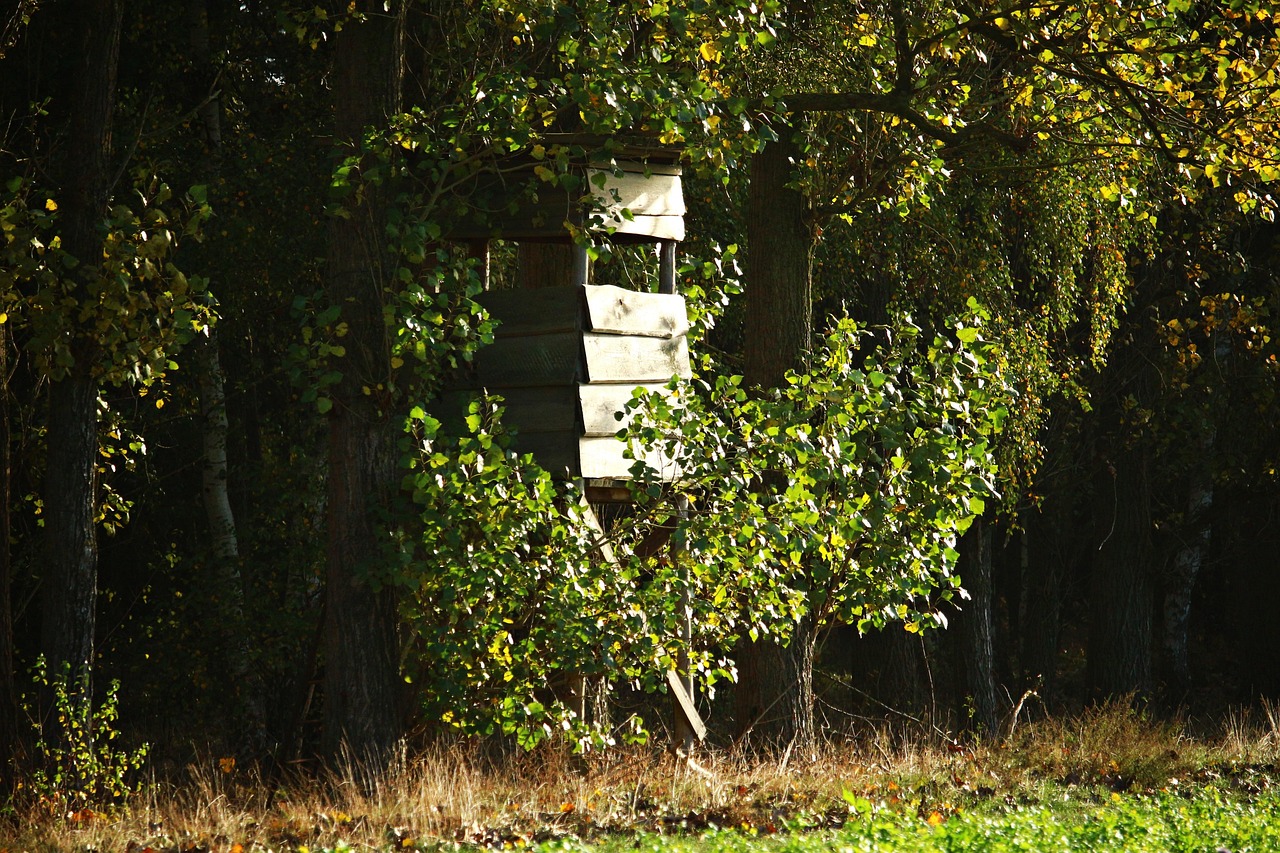
Tree Stand Camo and Concealment Branches: Hide Better (2026)
Break up your outline, brush in your stand the right way, and pick the concealment gear that keeps sharp-eyed whitetails from ever looking up.
🌲 Break Up Your Outline
🍃 Brush-In Basics
🎯 Beat Deer Vision
✅ Gear That Works
A deer does not need to smell you or hear you to bust you. Often it simply sees the wrong shape up in a tree, a hard human silhouette where a soft, leafy tangle should be. Good concealment fixes that. When you break up your outline and brush in your stand, you turn a glaring lump into just another shadow in the canopy.
The great news is that hiding a tree stand is cheap, simple, and fast. You do not need a full ghillie suit or a fancy pop-up. A few well-placed branches, a dark backdrop, and smart body position will do most of the work. This guide walks you through exactly what deer see, how to break up your shape, how to brush in a stand step by step, and which store-bought concealment options are actually worth your money in 2026. 🍃
- Why Deer Bust You in a Tree
- How Whitetail Vision Really Works
- Breaking Up Your Outline
- The Power of a Dark Backdrop
- Brushing In Your Stand Step by Step
- Choosing Concealment Branches
- Umbrellas and Roof Options
- Camo Netting, Skirts and Blinds
- Blind vs Brushed-In Stand
- Cover by Season and Region
- Movement, Scent and Cover
- Common Mistakes to Avoid
- Pro Tips
- FAQ
Suggested image: A bowhunter tucked into a brushed-in hang-on stand at first light, cut cedar limbs zip-tied around the platform and a dark tree trunk behind him — alt text: “Hunter concealed in a tree stand brushed in with cedar branches against a dark trunk.”
Why Deer Bust You in a Tree Stand
Deer live their whole lives watching for danger. A whitetail that walks the same trail every day knows what belongs there and what does not. When a bare tree suddenly grows a big dark blob eighteen feet up, the deer notices. It may not run right away, but it will stare, stomp, and circle downwind to figure you out. That pause is often all it takes to ruin a shot. 🚫
Three things give hunters away in a tree: shape, movement, and shine. Shape is your human outline, the head-and-shoulders silhouette no wild animal has. Movement is the draw of a bow or the lift of a rifle. Shine is glare off a face, a scope, a bow riser, or a slick jacket. Concealment work is really about attacking all three at once.
Height alone does not hide you. Old advice said “just get up high and deer will not look up,” but pressured deer absolutely look up, especially mature bucks that have been hunted before. The real reason a tree stand works is not the elevation itself. It is that height gets your scent up off the ground and puts more stuff between you and the deer. If you climb into a bare tree with nothing around you, you are a billboard.
This is why smart stand placement and concealment go hand in hand. Picking the right tree with natural cover is half the battle, and our guide on selecting a successful tree stand location pairs perfectly with the concealment steps below. Get the tree right first, then dress it in.
How Whitetail Vision Really Works
To beat a deer’s eyes, it helps to know how those eyes work. Whitetails are not built like us, and understanding the difference tells you exactly what to hide and what you can get away with.
Deer see color differently
Deer are essentially red-green colorblind. They see blues and yellows well but cannot separate red, orange, and green the way people do. That is why hunter orange looks bland and grayish to a deer. The catch is that deer see blue up to twenty times better than we do. Many old jeans, some washes, and clothing treated with brighteners actually glow blue to a deer. Avoid blue denim and UV-brightened fabric in the stand.
Deer are motion machines
A deer’s eyes sit on the sides of its head, giving it a field of view of around 300 degrees. It has loads of motion-detecting rod cells, so it catches the tiniest twitch, but its detail vision is fuzzy compared to ours. A deer cannot read the fine pattern on your camo. What it can do is instantly lock onto a moving arm or a swaying leg.
What this means for hiding
Put together, deer vision tells you to prioritize breaking up big blocks of your shape and killing movement over worrying about the exact camo print. A solid dark shape against the sky is far more dangerous than a busy pattern tucked into cover. If you want a deeper dive on how animals read the woods, our overview of the behavior of the whitetail deer explains why they react the way they do.
Breaking Up Your Outline: The Core Idea
Breaking up your outline means erasing the clean edges that scream “human.” Nature has almost no straight vertical lines and no smooth head-and-shoulders curve. Your job is to smear your edges into the surrounding branches so your body reads as clutter, not as a creature.
There are three layers to this. First, your clothing pattern should have large, high-contrast blotches, not a tight uniform print. From twenty yards a fine pattern blurs into a solid color, which is exactly what you do not want. Big light-and-dark shapes keep breaking you up even at distance.
Second, your position matters more than any product. Sitting tight against the trunk with limbs beside and above you hides you far better than standing free on an open platform. Keep some of the tree between you and the trail you expect deer to use.
Third, add 3D cover around you, which is where concealment branches come in. Real or fake limbs placed at waist and shoulder height break the two spots deer notice most: the moving hands and the head. You do not wrap yourself in a cocoon. You just add enough vertical and diagonal clutter that your outline never appears as one solid mass.
The goal is not to be invisible. It is to be unremarkable. A deer that glances up and sees only more branches keeps walking. A deer that sees a clean dark blob stops and stares.
Think of concealment as subtraction. You are removing the clues one by one — the hard shoulder line, the pale face, the shiny riser — until nothing is left to trip the alarm.
The Power of a Dark Backdrop
Before you buy a single accessory, use the free tool that already exists in the woods: the background behind you. What is behind your body when a deer looks up matters more than almost anything you wear.
Skylining is the classic killer. If you set up so that a deer approaching from the trail sees you against open sky, your silhouette pops like a target no matter how good your camo is. Instead, pick a tree where the trunk, a leafy limb cluster, or a second tree sits behind you from the deer’s point of view. That dark, busy backdrop swallows your outline.
Read the approach first
Stand at your tree and look toward where you expect deer to come from. Crouch to their eye level if you can. Notice what is behind you from that angle. If it is bright sky, either move to the other side of the trunk or choose a different tree. A trunk at your back also hides the vertical line of your body and gives you something to lean into so you move less.
Match the shade
Darker clothing usually hides better in a tree than pale patterns, because most backdrops in the canopy are shadowed. Bright, washed-out camo that looks great in the store can glow against dark bark. When in doubt in timber, go darker. Getting this backdrop choice right, plus hanging the stand cleanly, is covered in our walk-through on how to hang your tree stand correctly.
Brushing In Your Stand Step by Step
“Brushing in” simply means adding natural or artificial cover around your stand so it blends into the tree. Done in the off-season, it lets the woods settle before opening day. Here is a clean, repeatable process. 🌿
Step 1: Hang and sit first
Get the stand set at hunting height, then sit down and look around from your actual shooting position. You can only see the gaps that need filling once you are seated where you will hunt.
Step 2: Cover the sides and above
Concentrate cover on the sides and slightly above you, at shoulder and head level. That is where deer catch movement of your hands and head. Leave your shooting lanes open. The mistake beginners make is walling themselves in so tightly they cannot draw or swing.
Step 3: Use zip ties or screw-in hooks
Attach cut limbs to the trunk and stand with black UV-resistant zip ties or small screw-in accessory hooks. Angle branches naturally, growing outward and slightly up, the way real limbs do. A limb pointing straight down looks wrong and can spook a wary buck.
Step 4: Fill the platform gap
The open triangle under the platform and the rail in front of your feet often frames your legs against light. Wire a few leafy branches to the rail to break that gap.
Step 5: Do it early and check it
Brush in weeks ahead so the site looks lived-in. If you cut live cedar or oak, it browns over time, so refresh it or lean on artificial limbs that stay green all season. If you also hunt from the ground, the same brushing logic applies to a natural hunting blind.
Choosing Concealment Branches and Materials
Not all cover is equal. The material you choose changes how well it hides you, how long it lasts, and how much noise and scent it brings into your setup.
Cut natural limbs
Free and realistic, cut branches are the old standby. Evergreens like cedar, pine, and hemlock hold their needles longest and give the best year-round screen. The downside is they dry and brown within a week or two, and cutting fresh limbs every trip leaves scent and disturbance. Cut them well before the season and from away from your entry route.
Artificial concealment branches
Fake limbs made of fabric leaves on a bendable wire stem clip right onto your stand or trunk. They stay green all year, pack flat, and let you move them tree to tree. Quality has jumped in 2026, with 3D layered leaves that look convincing even up close. They cost more up front but save you the repeat labor.
Blend both
Many hunters run a base of durable artificial limbs and add a few fresh natural cuttings on hunt day for depth and to match the local leaf color. Below is a quick comparison to help you pick.
| Material | Realism | Lasts | Cost | Best For |
|---|---|---|---|---|
| Cut cedar / pine | Very high | 1 to 2 weeks | Free | Permanent stands, evergreen woods |
| Cut hardwood limbs | High | Days | Free | Early season, quick touch-ups |
| Artificial leaf limbs | Medium to high | Multiple seasons | Low to mid | Mobile hunters, all-season |
| Camo burlap / netting | Medium | Multiple seasons | Low | Fast blob-breaking, rails |
Umbrellas and Roof Options
A concealment umbrella pulls double duty. It hides you from above and keeps rain and snow off you and your gear. For anyone who sits all day, that comfort keeps you still, and stillness is concealment.
Why cover overhead matters
Deer downhill or across a ridge can look up into your stand and skyline you against the canopy. A camo umbrella or a stand roof fills that overhead gap and darkens the space you sit in, deepening the shadow you hide inside. On rainy days it also keeps your bowstring and rest dry, which protects your shot.
What to look for
Pick an umbrella with a camo canopy, a clamp that grips the trunk or stand mast, and quiet fabric that does not drum in wind. Sizes from 48 to 57 inches cover most one-person stands. Add a few leafy limbs to the edge so the round shape does not read as an obvious man-made dome.
A camo umbrella that clamps to the trunk gives you an instant roof, breaking your overhead outline while keeping rain and snow off you so you sit longer and move less.
- ✅ Fills the overhead gap deer use to skyline you
- ✅ Keeps your bow, rest, and string dry for a clean shot
- ✅ Clamps to trunk or mast in under a minute
- ✅ Packs down small for mobile hang-and-hunt setups
Our pick on Amazon: Camo Tree Stand UmbrellaThe specs above describe what to look for. Check the listing for this model’s exact specifications and current price.
Price and availability on Amazon.com. This site may earn a commission.
Camo Netting, Skirts and Stand Blinds
When you want to break up your blob fast without cutting a single branch, fabric concealment shines. It is light, cheap, packable, and works on almost any stand.
Camo netting and burlap
A roll of leafy netting or military-style burlap wraps the rail and mesh of your platform to hide your legs and feet, the part of you framed against the sky below. Get the type without a tight grid pattern, since a perfect square mesh can look unnatural. Cut slits so it hangs in ragged strips that flutter like leaves rather than a flat curtain.
Stand skirts and enclosures
Some hunters run a full “tree stand blind,” a skirt or three-sided enclosure that surrounds the platform. These hide almost all movement below the rail and add warmth on cold sits. The trade-off is they can limit your shooting angles and take longer to set, so leave clear windows in your main shooting lanes.
Backpack and gear cover
Do not forget your pack and bow hanger. A bright buckle or a pack left in the open adds shine and an odd shape. Tuck gear behind the trunk or drape a scrap of netting over it. Keeping scent-free habits helps too, and pairs well with running cover scents for deer hunting so your setup beats both eyes and nose.
A roll of leafy camo netting is the fastest way to break up your outline. Zip-tie it to your rail and mesh to erase the leg-and-foot gap that skylines you from below.
- ✅ Hides legs and feet framed against the sky below
- ✅ Packs to the size of a water bottle for mobile hunts
- ✅ Ragged leaf edges flutter naturally in wind
- ✅ Works on tree stands, rails, and ground blinds alike
Our pick on Amazon: LOOGU Camo Netting for Hunting and Shooting BlindsThe specs above describe what to look for. Check the listing for this model’s exact specifications and current price.
Price and availability on Amazon.com. This site may earn a commission.
Ground Blind vs Brushed-In Tree Stand
Concealment is not only about tree stands. Sometimes a brushed-in ground blind hides you better, especially in open country or for gun hunters. Here is how the two stack up so you can match the method to the spot.
| Factor | Brushed-In Tree Stand | Ground Blind |
|---|---|---|
| Scent control | Better, scent lifts off the ground | Worse, scent stays at deer level |
| Movement hiding | Good with cover, some exposure | Excellent, walls hide almost all |
| Shot angles | Wide, but steep and downward | Level, but limited by windows |
| Setup speed | Slower, need the right tree | Fast, drops almost anywhere |
| Best for | Bowhunting timber and edges | Open fields, kids, gun hunters |
Neither is “better” across the board. Many hunters keep a couple of brushed-in stands in the timber and a portable blind for field edges. If you lean toward the ground, our hunting blind guide covers brushing in a blind so it disappears too. The concealment principles are identical: break the outline, kill the shine, and back yourself with cover.
One key point for tree stands: elevation gives you the scent edge shown above, but only if you brush in. An un-brushed stand throws away the vision advantage a blind would have handed you.
Cover by Season and Region
The best concealment changes with the calendar and the country you hunt. What hides you in September leaves you exposed in November.
Early season, full leaves
Green timber makes hiding easy. Lean on natural leaf cover and set stands back inside the canopy. You can get away with lighter brushing because the tree is doing the work. Watch your shooting lanes, since heavy foliage can block arrows.
Late season, bare trees
Once leaves drop, every stand gets naked. This is when artificial evergreen limbs and dark clothing earn their keep. Move to cedar thickets, pine stands, or oaks that hold leaves. Add more overhead and side cover than you think you need, because there is nothing left to hide behind.
Region matters
In big-woods hardwoods, dark patterns and trunk-hugging beat busy prints. In pine and cedar country, green artificial limbs blend beautifully. In open ag land and prairie, a brushed-in ground blind often beats a lonely tree. Read the cover you actually have and match it. For where to place that stand relative to bedding and food, our notes on hunting tree stands tie location and concealment together.
Movement, Scent and Cover: The Concealment Triangle
Camo and branches are only one leg of a three-legged stool. Break any leg and the deer wins. Great hunters manage all three at once. 💡
Movement
No pattern hides a fast draw against the sky. Move slowly, only when the deer’s head is down or blocked, and plan your shot so your motion happens behind cover. A brushed-in stand gives you screens to move behind, which is the whole point.
Scent
You can be invisible and still get busted the second a deer crosses your wind. Play the wind first, every time. Elevation and clean entry routes help, and cover scents plus scent-free habits close the gap. Our guide on cover scents for deer hunting pairs naturally with your concealment plan.
Cover and light
Sit in shadow, not sun. Wear a face mask or paint, and cover pale hands, because a bare face and hands are the two brightest, most human-looking spots on a hunter. Dull any shine on your bow, scope, and buckles with tape or a coat of flat finish.
When all three legs hold — still body, controlled wind, and a broken outline in shadow — you become a non-event to the deer. That is exactly what you want.
Common Concealment Mistakes to Avoid
Most busted setups come down to a handful of repeat errors. Fix these and your success rate climbs fast. ⚠️
- Mistake: Skylining yourself against open sky. Fix: Choose a tree with a trunk, limbs, or a second tree behind you from the deer’s approach angle.
- Mistake: Walling yourself in so tight you cannot draw or swing. Fix: Brush the sides and above you, but keep your shooting lanes wide open.
- Mistake: Cutting fresh limbs on the morning of the hunt. Fix: Brush in weeks early so scent and disturbance fade before opening day.
- Mistake: Leaving a bare, shiny face and hands. Fix: Use a face mask or paint and dark gloves to kill the two brightest human spots.
- Mistake: Wearing blue denim or UV-bright fabric. Fix: Deer see blue strongly, so choose earth tones and wash gear in UV-free detergent.
- Mistake: Ignoring the gap under the rail. Fix: Wire leafy branches or netting to the rail to hide your legs and feet.
- Mistake: Sitting in bright sun on the open side of the trunk. Fix: Set up so you sit in shadow with the sun at your back when possible.
Pro Tips for Bulletproof Concealment
These small habits separate hunters who get busted from hunters who fill tags. None cost much, and all of them stack. 💡
- 🌲 Brush from the deer’s eye, not yours. Crouch on the trail and look up to see exactly what a deer sees, then fill those gaps.
- 🍃 Angle branches upward and outward, the way real limbs grow. Down-pointing cut limbs look wrong and alert wary bucks.
- 🖤 Use black zip ties, not white. A row of bright ties is its own giveaway. Trim the tails so they do not flap.
- 🎯 Leave shooting windows, then stand and practice your draw or swing to confirm nothing snags before season.
- 🌙 Set up in shadow. Pick the shaded side of the trunk so your movement disappears into dark, not glare.
- 🧤 Cover face and hands. These are the brightest, most human parts of you and the easiest fix.
- ♻️ Refresh natural cut cover every week or two as it browns, or run artificial limbs that stay green all season.
Quick-Facts and Cost Table
| Concealment Method | Typical Cost | Setup Time | Best Use |
|---|---|---|---|
| Cut natural limbs | Free | 20 to 40 min | Permanent stands |
| Artificial leaf limbs | 20 to 45 dollars | 10 to 15 min | Mobile, all-season |
| Leafy camo netting | 12 to 30 dollars | 5 to 10 min | Rail and leg cover |
| Concealment umbrella | 25 to 60 dollars | Under 5 min | Overhead and weather |
| Full stand blind skirt | 40 to 90 dollars | 15 to 25 min | Cold, high-movement sits |
Frequently Asked Questions
Do deer really look up into tree stands?
Yes, especially pressured or mature deer. Height helps mostly by lifting your scent and adding cover between you and the deer, not by making you impossible to see. That is why brushing in still matters even eighteen feet up.
What color camo hides best in a tree stand?
Darker patterns usually win in timber because most backdrops in the canopy are shadowed. The exact print matters less than large light-and-dark blotches that break your outline. Avoid blue and UV-bright fabric, since deer see blue very well.
How far in advance should I brush in a stand?
Ideally several weeks before you hunt it, so scent and disturbance settle and cut cover has time to look natural. For mobile hang-and-hunt setups, artificial limbs let you brush in quietly the same day with far less impact.
Are artificial concealment branches worth it?
For hunters who move stands or hunt the whole season, yes. They stay green, pack flat, and save the repeat labor of cutting fresh limbs. For a single permanent stand in evergreen woods, free cut limbs may be all you need.
Will a concealment umbrella spook deer?
Not if you set it early and soften its round edge with a few leafy limbs. Deer notice the smooth dome shape less than movement or shine. The comfort of staying dry and still usually helps you far more than the shape hurts.
Can I over-brush a tree stand?
You can. Wall yourself in too tightly and you block your own shots or force big movement to shoot around cover, which busts you. Brush the sides and above you, but keep your shooting lanes clean and open.
- ✅ Picked a tree with a dark backdrop, no skylining
- ✅ Brushed in the sides and above at shoulder and head height
- ✅ Kept shooting lanes open and tested my draw or swing
- ✅ Covered the rail gap so legs and feet do not show
- ✅ Added an umbrella or roof for overhead cover and weather
- ✅ Wore dark, non-blue, UV-free clothing in shadow
- ✅ Covered face and hands and dulled all shine
- ✅ Played the wind and paired cover scents with clean entry
Concealment is the cheapest edge in deer hunting. A handful of branches, a dark backdrop, and a still body cost almost nothing yet turn near-misses into filled tags. 🎯 Take a weekend before the season to brush in your stands the right way, crouch on the trail and check your work from the deer’s eye, and then trust it. When that mature buck steps out and never once looks up, you will know the quiet work paid off. Good luck out there this fall — hunt safe, hunt smart, and let them come close. 🌲