Winter Food Plots for Deer: What to Plant to Hold Deer All Season (2026)
The best winter food plots for deer: cold-hardy crops like brassicas, cereal rye, wheat and clover compared, when and how to plant, soil prep and fertilizer, seeding rates, small no-till plots, regional timing, and how to hunt over them.
As an Amazon Associate, Deer Hunting Success may earn from qualifying purchases.
Winter Food Plots for Deer: What to Plant to Hold Deer All Season (2026)
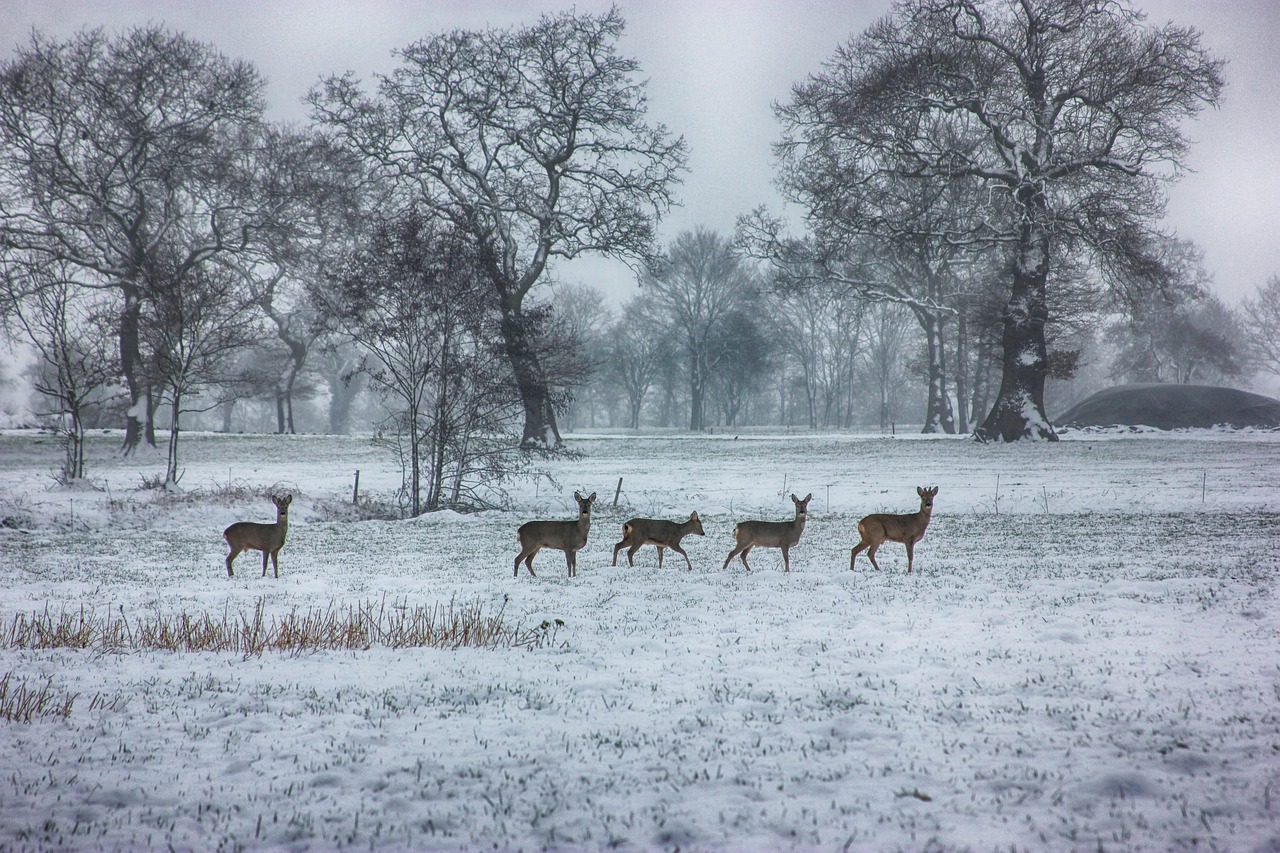
Cold weather does not have to empty your land. The right winter food plot keeps deer fed, healthy, and hanging around your stand when other food is gone. Here is exactly what to plant and how.
❄️ Cold-hardy crops🦌 Holds deer🌱 Easy blends🎯 Better hunting
When the first hard frost hits and natural food dries up, deer go looking for the best meal around. A well-planned winter food plot makes that meal yours. It keeps deer on your property when hunting pressure and cold push them to move, and it gives them the energy they need to survive the toughest months. That is good for your herd and great for your hunting.
The best part? You do not need a tractor or a farm to pull it off. With the right cold-hardy seed, a little soil prep, and good timing, even a small hidden plot can become a deer magnet in late season. In this guide you will learn the best winter crops, when and how to plant them, how to prep your soil, and how to hunt over your plot without burning it out. Let us keep your deer fed and close.
- Why winter food plots matter
- Best winter food plot crops
- Crop comparison table
- When to plant
- Soil prep and fertilizer
- How to plant step by step
- Seeding rates
- Small and no-till plots
- Regional planting timing
- Protecting a small plot
- Hunting over winter plots
- Common mistakes and fixes
- Pro tips
- Cost breakdown
- FAQ
- Final checklist
Why Winter Food Plots Matter
Late season is when a food plot earns its keep. By the time cold weather settles in, acorns are gone, crops are harvested, and green growth has died back. Deer are burning huge amounts of energy just to stay warm, and they are drawn like a magnet to any reliable, high-energy food source. If that source is on your land, the deer will be too.
A winter plot does three big jobs. First, it holds deer on your property when neighbors and cold weather would otherwise scatter them. Second, it improves herd health, helping does carry fawns through winter and bucks recover after the rut. Third, it concentrates deer into a predictable spot at a predictable time, which is exactly what you want for late-season hunting.
There is a long-game payoff too. Land that feeds deer through the hardest months builds a reputation among the local herd. Deer remember reliable food and return year after year. That means better sightings, healthier bucks, and more consistent hunting for seasons to come. A winter plot is one of the highest-value improvements you can make to a hunting property.
Best Winter Food Plot Crops
Not every plant survives the cold, and the best winter plots use crops that stay green and palatable after frost or that store energy underground. Here are the top performers.
Brassicas (turnips, rape, kale, radishes)
Brassicas are the kings of late season. After a hard frost, their starches turn to sugar and deer switch on to them hard, grazing the leaves and digging the bulbs. Plant them mid to late summer so they mature before the cold. They are the go-to for a true cold-weather magnet.
Cereal rye (winter rye)
The most reliable, forgiving winter crop there is. Cereal rye germinates fast, tolerates poor soil, and stays green through hard cold. It is nearly foolproof, which makes it perfect for beginners and small plots. Do not confuse it with ryegrass; you want cereal rye, the grain.
Winter wheat and oats
Both offer tender, attractive fall and winter forage. Winter wheat is very cold hardy and dependable. Oats are candy to deer but less cold tolerant, so they shine in milder climates or earlier in the season. Many hunters blend them with rye for a longer window.
Clover and winter peas
Clover is a perennial that greens up early and lingers into cold, and it pairs well with grains. Winter peas add high-protein forage that deer love, though they can get browsed down fast in small plots. Both work best as part of a blend.
Crop Comparison Table
| Crop | Cold tolerance | Deer draw | Ease to grow | Best use |
|---|---|---|---|---|
| Brassicas | Excellent after frost | Very high late season | Medium | Late-season magnet |
| Cereal rye | Excellent | High | Very easy | Beginner and small plots |
| Winter wheat | Very good | High | Easy | Reliable fall and winter forage |
| Oats | Fair | Very high early | Easy | Mild climates, early season |
| Clover | Good | High | Medium | Perennial base in a blend |
| Winter peas | Fair to good | Very high | Medium | Protein boost in a blend |
A ready-made winter blend takes the guesswork out of seed selection. The best blends mix brassicas, cereal grains, and clover so something is always attractive, from first frost through the coldest weeks. Just check the coverage rating and match it to your plot size.
- ✅ Balanced blend attracts deer all winter
- ✅ Forgiving crops that grow in most soils
- ✅ No need to buy and mix separate seed
- ✅ Great for first-time plotters
Our pick on Amazon: Whitetail Institute Tall Tine Tubers Deer Food Plot SeedThe specs above describe what to look for. Check the listing for this model’s exact specifications and current price.
Price and availability on Amazon.com. This site may earn a commission.
When to Plant Winter Food Plots
Timing makes or breaks a winter plot. The goal is to plant early enough that crops establish and mature before hard cold, but not so early that they get overgrazed or go to seed. As a rule, brassicas need the longest runway, so plant them in mid to late summer, roughly 60 to 90 days before your first frost. Cereal grains like rye and wheat are quicker and more flexible; you can plant them from late summer into early fall.
Your exact dates depend on your region. In the North, that often means planting brassicas in late July to mid August and grains through September. In the South, you can push everything a few weeks later thanks to a longer, milder growing season. The safest move is to check your area’s average first-frost date and count backward.
Soil Prep and Fertilizer
Healthy soil grows a plot deer cannot resist, and it starts with a soil test. A cheap soil test tells you your pH and what nutrients you are missing, so you do not waste money guessing. Most food plot crops want a pH near 6.0 to 6.8. If yours is lower, add lime to sweeten the soil, ideally a few months ahead so it has time to work.
Once pH is on track, add fertilizer based on your soil test. Brassicas and grains are hungry for nitrogen, so a balanced fertilizer with enough nitrogen pushes lush, attractive growth. Do not overdo it, though, since too much nitrogen can burn seedlings and waste money. Follow your test’s recommendations for the best results.
Prep the seedbed by clearing weeds and loosening the top of the soil so seed makes good contact. You can till a traditional seedbed, or use a spray-and-mow no-till method on smaller plots. Either way, the goal is the same: clean ground, good seed-to-soil contact, and moisture. For more, see our guides on food plot soil analysis and food plot fertilizer.
Before you spend a dime on seed or fertilizer, test your soil. A simple test kit reveals your pH and nutrient gaps in minutes, so you add exactly what your plot needs and nothing you do not. It is the cheapest way to double your plot’s success.
- ✅ Know your pH before you plant
- ✅ Stop guessing on lime and fertilizer
- ✅ Cheap insurance for a lush plot
- ✅ Reusable for several plots
Our pick on Amazon: MySoil Soil Test Kit (Nutrient and pH Analysis)The specs above describe what to look for. Check the listing for this model’s exact specifications and current price.
Price and availability on Amazon.com. This site may earn a commission.
How to Plant, Step by Step
- Test and amend your soil. Run a soil test, then add lime and fertilizer as recommended.
- Clear the plot. Mow and remove or spray existing weeds so your crop does not compete for light and water.
- Work the seedbed. Lightly till or scratch the surface so seed can reach bare soil. For no-till, mow tight and plant into the thatch before rain.
- Spread the seed. Use a broadcast or hand spreader at the rate on the bag. Do not bury small seeds like brassicas or clover; they need light.
- Cover lightly. Drag or cultipack to press seed into the soil for good contact. A light roll or even walking a small plot helps.
- Time it with rain. Plant right before a forecast rain so seed germinates fast and even.
- Watch it grow. Keep an eye on the plot and protect small plots from overgrazing until plants establish.
Seeding Rates
Use these general rates as a starting point, and always follow the specific bag instructions for your seed.
| Crop | Rough rate per acre | Seed depth |
|---|---|---|
| Brassicas | 5 to 8 lbs | Surface to 1/4 in |
| Cereal rye | 90 to 120 lbs | 1/2 to 1 in |
| Winter wheat | 90 to 120 lbs | 1/2 to 1 in |
| Oats | 80 to 100 lbs | 1/2 to 1 in |
| Clover | 8 to 12 lbs | Surface to 1/4 in |
| Winter peas | 40 to 60 lbs | 1 to 1.5 in |
Small and No-Till Plots
You do not need heavy equipment to grow a great winter plot. Small hidden plots, sometimes called kill plots, are often the most productive spots to hunt because deer feel safe using them. A quarter-acre opening in the timber, planted in cereal rye and brassicas, can pull deer right past your stand in the last light of a cold day.
For no-till, the method is simple: mow the existing vegetation as low as you can, spray to kill weeds if needed, then broadcast your seed into the stubble right before rain. Cereal rye is fantastic for this because it germinates almost anywhere. A hand spreader, a backpack sprayer, and a rake are often all you need for a small plot. This throw-and-grow approach is perfect for hunters with limited time or gear.
Just remember that small plots can be grazed down quickly. If deer are hammering it before season, consider fencing part of it or planting a slightly larger area so there is enough to last into the hunt.
Regional Planting Timing
Where you live changes your planting calendar, so tune these windows to your area. In the North and Upper Midwest, the growing season is short, so brassicas usually go in from late July to mid August and cereal grains through early September. That gives brassicas time to bulb up before a hard freeze and lets rye establish a strong green stand before the snow flies.
In the Midwest and Mid-Atlantic, you get a little more room. Brassicas in August and grains into late September work well, lining up nicely with the late-season and rut hunting many of these states are known for. In the South and Deep South, the mild winter lets you push everything back; September and even early October plantings of rye, wheat, oats, and clover can stay green and attractive all the way through the season.
The universal rule holds everywhere: count backward from your average first-frost date, give brassicas the longest runway, and always try to plant right before a rain. When in doubt, cereal rye is the safety net, because it germinates fast and tolerates a late planting better than almost anything else. A quick call to your local extension office or a chat with a nearby farmer will dial in the exact best dates for your county.
Protecting a Small Plot From Overgrazing
Small plots have one big weakness: deer can eat them faster than they grow. If your quarter-acre gets hammered in early fall, there may be nothing left when the season peaks. The good news is there are simple ways to protect your investment so the food is there when you need it most.
The easiest fix is to plant a little bigger than you think you need, so grazing pressure is spread out. Another proven trick is a temporary exclusion fence, like a couple of strands of poly rope or a light electric wire, over part of the plot. It lets that section grow untouched, then you drop the fence a week or two before you plan to hunt and reveal a lush, fresh salad bar right when deer are looking for it.
You can also lean on tougher crops. Cereal rye and mature brassicas handle browsing far better than tender oats or peas, bouncing back after deer graze them. Blend in these resilient crops so your plot keeps feeding deer even under heavy pressure. A little planning here turns a plot that gets wiped out into one that holds deer all the way through the cold.
Hunting Over Winter Plots
A great plot with a bad setup gets burned out fast. Hunt it smart. Place your stand or blind downwind of where you expect deer to enter, usually from bedding cover, and keep your access route clean so you do not bump deer going in and out. Late-season deer are jittery from months of pressure, so one careless sit on the wrong wind can shut a plot down.
The most productive food plot is the one you hunt least. Save your winter plot for the right wind and the right cold front, and it will pay off when it matters most.
Timing is everything in winter. Deer feed heaviest in the afternoon and evening as they load up before a cold night, so evening sits over a plot are often prime. Watch the weather; a sharp drop in temperature or an incoming storm can trigger a feeding frenzy. Hunt those cold fronts and you will catch deer on their feet in daylight. For stand setup ideas, see our tree stands guide and finding bedding areas.
Common Mistakes and Fixes
- Mistake: Planting too late. Fix: Give brassicas 60 to 90 days before frost, and plant grains by early fall.
- Mistake: Skipping the soil test. Fix: Test pH and nutrients first, then lime and fertilize to match.
- Mistake: Planting into dust. Fix: Seed right before a forecast rain for fast germination.
- Mistake: Burying small seed. Fix: Broadcast brassicas and clover on the surface and just press them in.
- Mistake: Over-hunting the plot. Fix: Only hunt it on the right wind and save it for cold fronts.
- Mistake: One crop only. Fix: Blend brassicas and grains so something is always attractive.
Pro Tips
- Blend for a long window so early oats, mid-season grains, and late brassicas keep deer coming.
- Lime early, months ahead if you can, so it has time to correct pH.
- Plant a bigger buffer around small kill plots so grazing does not wipe them out before season.
- Keep a clean, quiet entry so you never bump deer off the plot.
- Hunt the cold fronts when deer feed hard in daylight.
- Leave part unhunted as a sanctuary so deer keep using the area.
Cost Breakdown
| Item | Rough cost | Notes |
|---|---|---|
| Winter seed blend | $25 to $60 per acre | Brassica and grain blends |
| Soil test kit | $15 to $30 | Saves money on inputs |
| Lime | $0 to $60 per acre | Only if pH is low |
| Fertilizer | $30 to $70 per acre | Based on soil test |
| Spreader | $20 to $80 | Hand or broadcast, reusable |
| Small-plot total | $60 to $200 | A quarter-acre plot costs very little |
Frequently Asked Questions
What is the best thing to plant for deer in winter?
A blend of brassicas and cereal rye is the best all-around winter choice. Brassicas turn sweet after frost and pull deer hard in late season, while cereal rye stays green and reliable through hard cold. Together they hold deer from the first frost through the coldest weeks.
When should I plant a winter food plot?
Plant brassicas in mid to late summer, about 60 to 90 days before your first frost, so they mature before hard cold. Cereal grains like rye and wheat can go in from late summer into early fall. Always count backward from your area’s average first-frost date.
Can I plant a food plot without a tractor?
Yes. Small no-till plots work great with just a mower, a sprayer, a hand spreader, and a rake. Cereal rye especially will grow almost anywhere. Many hunters grow deadly small kill plots this way with minimal equipment.
How big does a winter food plot need to be?
Even a quarter-acre plot can be very effective, especially as a hidden kill plot in the timber. Larger plots feed more deer and hold up better against heavy grazing, but small plots often hunt better because deer feel safe using them.
Do I need to lime my food plot?
Only if your soil test shows low pH. Most crops want a pH near 6.0 to 6.8. If yours is lower, lime raises it so plants can use the nutrients you add. Apply lime a few months ahead so it has time to work.
Why is my food plot not attracting deer?
The usual culprits are late planting, poor soil, dry conditions at planting, or over-hunting the plot. Test your soil, plant on time and before rain, blend crops for a long window, and hunt the plot only on the right wind so deer keep using it.
Final Checklist
- ☑️ Tested soil and corrected pH with lime if needed
- ☑️ Chose a brassica plus cereal grain blend
- ☑️ Planted brassicas 60 to 90 days before frost
- ☑️ Cleared weeds and prepped a clean seedbed
- ☑️ Spread seed at the recommended rate, not more
- ☑️ Left small seed on the surface, pressed in for contact
- ☑️ Seeded right before a forecast rain
- ☑️ Protected small plots from early overgrazing
- ☑️ Set stands downwind with a clean, quiet entry
- ☑️ Saved the plot for the right wind and cold fronts
A winter food plot is one of the smartest moves you can make for your deer and your hunting. Test your soil, plant a frost-sweet blend on time, and hunt it with discipline. Do that and your land becomes the warm, reliable dinner table that keeps deer close when everyone else’s woods go quiet. Grab your seed and get planting. 🌱🦌
Related reads: food plots, planting food plots for deer, food plot fertilizer, and fall food plots.