Deer Blinds Explained: Types, Setup, and Hunting Tips (2026)
A complete guide to deer blinds: ground versus elevated, buying versus building, setup, concealment, and how to hunt from one for more success in 2026.
As an Amazon Associate, Deer Hunting Success may earn from qualifying purchases.
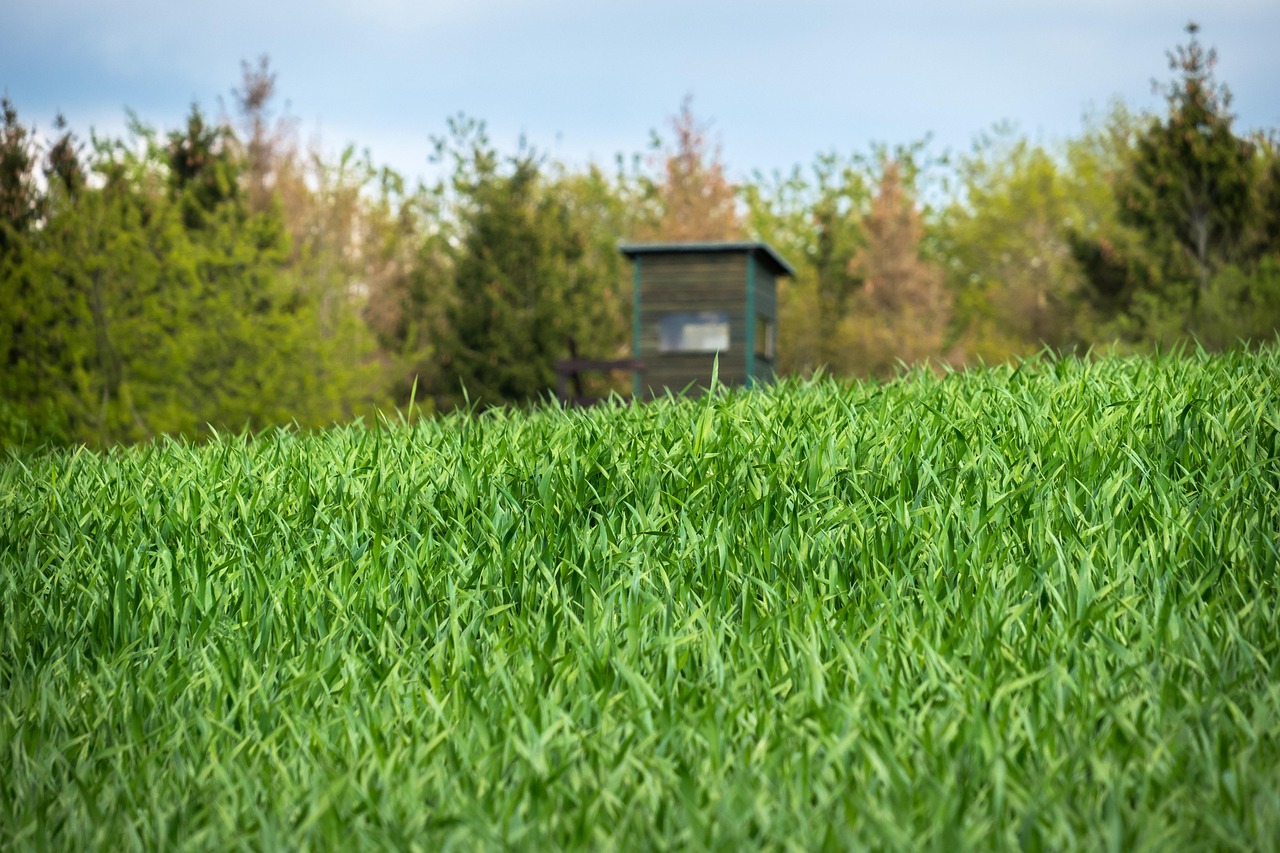
Deer Blinds Explained: Types, Setup, and Hunting Tips (2026)
Everything you need to pick, place, hide, and hunt from a deer blind with more comfort and more success this season.
🦌 Ground and Elevated
🛠️ Buy or Build
🌿 Concealment
🎯 Better Shots
A deer blind is one of the fastest ways to see more deer and get closer, cleaner shots. It hides your movement, softens your scent, and keeps you warm and dry when the weather turns rough. For many hunters, moving to an enclosed blind is the single biggest jump in success they ever make. 🦌
This guide breaks down
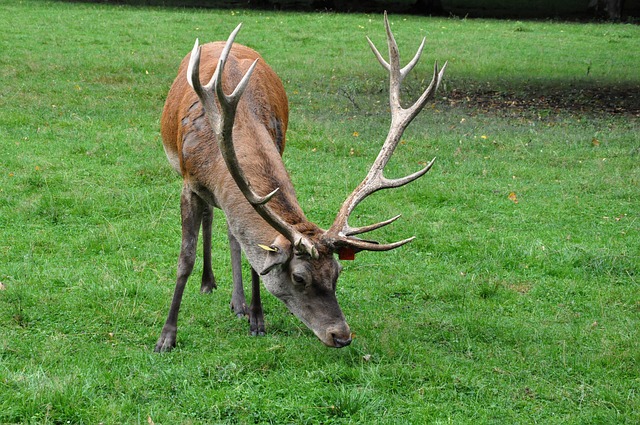
What Is a Deer Blind?
A deer blind is a small enclosed shelter that hides you from a deer’s sharp eyes while you wait for a shot. Think of it as a movable hunting room. Walls block your outline, a roof keeps off rain and snow, and small windows let you watch, draw a bow, or aim a rifle without being seen. 🦌
Deer live and die by their senses. Their eyes catch the smallest motion, and their ears turn toward any strange sound. An open ground seat forces you to freeze for hours, and one twitch can blow the whole hunt. A blind changes that math. Inside, you can shift your weight, sip coffee, and raise your bow, all without spooking the deer feeding fifty yards away.
Blinds also protect you. They cut cold wind, block driving rain, and hold a little body heat, so you can stay on stand longer during the best hours. The longer you sit, the more deer you see. That simple truth is why blinds are a favorite tool for bowhunters, gun hunters, and families who hunt wide-open fields, food plots, and cut crops. A blind trades a bit of mobility for comfort and time in the field.
The Main Types of Deer Blinds
Not all blinds are the same. Picking the right style starts with knowing your options. Here are the main types you will run into. 💡
Pop-Up Ground Blinds
These are lightweight fabric blinds built on a spring or hub frame. They pop open in seconds, weigh only a few pounds, and fold into a round carry bag. A good pop-up blind is perfect for hunters who move often or hunt several spots.
Elevated Box Blinds
These are hard-sided boxes set on legs or a tower, often four to ten feet off the ground. They feel like a tiny cabin, with sliding windows, a real seat, and room for two. An elevated box blind shines on farms and food plots where you sit all day.
Tower and Tripod Blinds
Tower blinds sit on tall metal legs for a wide view over crops or clear-cuts. Tripod blinds are simpler, with a padded seat and a shooting rail on three legs. Both lift you above the deer’s normal line of sight.
Natural and Homemade Blinds
You can also build a natural blind from brush, logs, and branches. It costs nothing but time, blends in perfectly, and works great in the deep woods where a fabric blind would stand out.
A roomy hub blind is the easiest way to hunt fields and plots without building anything. It sets up in under a minute, packs small, and gives bow and gun hunters a hidden, weather-proof seat.
- ✅ Opens and folds in seconds with a simple hub system
- ✅ Black interior hides your movement and outline
- ✅ Silent slide windows for quiet bow draws
- ✅ Packs into a round bag you can carry on your back
Our pick on Amazon: Ameristep Brickhouse Wide Bottom Ground BlindThe specs above describe what to look for. Check the listing for this model’s exact specifications and current price.
Price and availability on Amazon.com. This site may earn a commission.
Ground vs Elevated Blinds
The biggest choice most hunters face is ground versus elevated. Both put deer in front of you, but they work in different ways. A ground blind sits at deer level, so you must hide it well and keep your scent in check. An elevated blind lifts you up, which helps with both sight and smell but costs more and moves less easily. ⚠️
Ground blinds win on price, speed, and freedom to move. You can drop one in a fresh spot the same morning you find fresh sign. Elevated blinds win on view and comfort. From up high you see farther, spot deer sooner, and keep some of your scent above a deer’s nose. The table below breaks down the key trade-offs.
| Feature | Ground Blind | Elevated Blind |
|---|---|---|
| Setup speed | Very fast, under a minute | Slow, needs building or hauling |
| Mobility | High, move it anytime | Low, mostly stays put |
| Field of view | Limited, deer level | Wide, sees over cover |
| Scent control | Must brush in and play wind | Scent rides higher, a bit safer |
| Comfort in weather | Good | Excellent |
| Cost | Low to medium | Medium to high |
| Best for | Bowhunters, roaming, plots | Farms, families, all-day sits |
If you hunt many spots and love to stay mobile, lean ground. If you own or lease land and want a lasting, comfortable setup, lean elevated. Many hunters end up owning one of each and choosing based on the day, the wind, and the weather.
Buying vs Building a Blind
Once you know the type you want, the next question is simple: buy it ready-made or build it yourself? Both roads lead to a good blind, and the right choice depends on your budget, your skills, and your time. 💡
Buying is fast and easy. You open a box, pop or bolt it together, and hunt that week. Store-bought blinds also come with tested windows, camo covers, and clean lines that hide you well. Building your own takes more effort but saves money, and it lets you size the blind to fit your land and the view you want. A homemade box blind can last ten years or more.
| Factor | Buying | Building |
|---|---|---|
| Upfront cost | Higher per unit | Lower with basic lumber |
| Time to hunt | Same day to same week | A weekend or more |
| Skill needed | Very little | Basic tools and carpentry |
| Custom fit | Fixed sizes | Any size you want |
| Durability | Good, varies by model | Excellent if built well |
| Portability | Often high | Usually fixed in place |
Short on time or new to hunting? Buy a quality blind and get hunting. Handy with tools and want something built to last? Grab a set of free deer stand plans or blind plans and build your own. Either way, the goal is the same: a hidden, comfortable seat with a clear view of where deer travel.
An enclosed box blind on a tower gives you a warm, quiet, weather-proof view over food plots and fields. It is the go-to choice for all-day sits, gun season, and taking kids hunting in comfort.
- ✅ Fully enclosed to hide movement and hold heat
- ✅ Tinted windows keep you invisible inside
- ✅ Roomy enough to bring a young or new hunter
- ✅ Built to stand up to wind, rain, and snow
Our pick on Amazon: Guide Gear 6 Foot Tripod Hunting Tower Blind, 2-ManThe specs above describe what to look for. Check the listing for this model’s exact specifications and current price.
Price and availability on Amazon.com. This site may earn a commission.
Choosing the Right Location
The best blind in the world fails in the wrong spot. Location is everything. Before you set up, learn where deer eat, sleep, and travel on your land. 🦌
Start by finding the food, such as fields, food plots, oak flats, and cut crops. Then find the bedding, the thick cover where deer rest during the day. The trails between food and bedding are gold. Set your blind where you can watch these routes without deer walking past your door.
Play the Wind First
Wind beats everything. Place your blind so the usual wind carries your scent away from where you expect deer to come. A perfect view means nothing if the breeze pushes your smell into a deer’s nose. Note your best wind directions and pick a spot that works with them. Our guide on the best site for your hunting blind digs deeper into this step.
Mind the Sun and Access
Try to keep the low morning and evening sun behind your blind, not in your eyes. Also plan a quiet path in and out. If you have to walk across the field where deer feed, you will spook them before you sit. A hidden entry trail along a fence or tree line keeps your spot fresh for many hunts.
Setting Up Your Blind
Good setup turns a plain blind into a deadly one. Whether you bought a pop-up or built a box, a few steps make a big difference. Rushing this part is where many hunters go wrong. ⚠️
Set It Early
Deer notice new things. A blind that appears overnight can spook them for days. When you can, set your blind up a week or two before you hunt it. This gives deer time to walk past it and accept it as part of the scenery. On a food plot, a box blind left up all year becomes invisible to the local herd.
Level, Anchor, and Clear
Make sure the blind sits level and solid. A wobbly seat leads to noise and bad shots. Stake down pop-up blinds so wind cannot flip them, and tie tower blinds against strong gusts. Inside, clear a quiet floor of sticks and leaves so your feet make no sound. Trim a few shooting lanes through brush, but do not over-clear, or you will leave an obvious hole. 💡
Set Your Shooting Windows
Open only the windows you need, facing the trails and feeding spots you expect to use. Keep the back and side windows closed to kill light and hide your outline. Set your chair at the right height so your bow or rifle clears the window sill with room to move. A little practice from the seat now saves a missed chance later.
Concealment and Brushing In
A blind hides you, but only if you hide the blind. This step, called brushing in, is the secret that separates hunters who fill tags from those who watch deer blow and run. 🌿
Deer see shapes and shine. A boxy blind alone in a field screams danger. Your job is to break up that shape and tuck it into cover so it belongs. The good news is that brushing in is cheap, quick, and effective.
Tuck It Into Natural Cover
Set ground blinds against a tree line, a brush pile, a fence row, or a clump of cedars. A backdrop breaks your outline and hides the doorway. Avoid placing a blind out in the open where it stands alone against the sky.
Add Brush to the Blind
Lean cut branches, cornstalks, tall grass, and limbs against the sides and roof. Match the brush to what grows nearby, and cover the hard, straight edges that look unnatural. Even an elevated box blind hides better with brush stacked around its legs and a few limbs on top.
Keep the Inside Dark
Wear dark clothes and keep back windows shut so no light shines through the blind and frames your body. A dark interior turns your open window into a black hole that deer cannot see into. Combine a dark inside with a brushed-in outside, and you become nearly invisible. ✅
Scent Control From a Blind
You can hide your body inside a blind, but a deer’s nose still works. Scent control is the part hunters skip most, and it costs them deer they never even see. Wind and smell beat sharp eyes every single time. ⚠️
A fabric ground blind does trap some scent, but it is not a scent-proof box. Air still moves in and out of the windows and seams. An elevated blind helps a little, since your scent rides higher, but neither blind lets you ignore the wind. Always play the wind first, then stack these habits on top.
Simple Scent Habits
Wash your hunting clothes in scent-free soap and store them away from home odors like cooking and gas. Shower with unscented soap before a hunt when you can. Keep a pair of rubber boots just for hunting so you leave less ground scent on the walk in. Small steps add up fast.
Use Cover and the Right Wind
Many hunters add a cover scent or an odor spray to blur what is left, and a good cover scent can point you to better odor control. Still, no spray beats a smart setup. Hunt the wind that carries your scent away from the deer, and let the blind, your clothes, and cover scent do the rest. 💡
How to Hunt From a Blind
Owning a blind is only half the game. Hunting well from one takes a few habits that keep you hidden and ready when a deer steps out. 🎯
Get In Early and Settle Down
Arrive well before light in the morning or a couple of hours before dark in the evening. Deer often show up early, and a hunter still shuffling around at prime time gets busted. Once inside, settle in, get your gear set, and go still.
Move Slow and Stay Quiet
The whole point of a blind is that it hides small movement, so use that gift wisely. Still, move slowly when you raise your bow or gun. Fast motion in an open window can catch a deer’s eye. Keep talking, phones, and gear rattle to a minimum, because sound carries even when you are hidden.
Be Ready to Shoot
Know your windows and your ranges before a deer arrives. Range a few landmarks so you are not guessing when the moment comes. Practice drawing your bow or shouldering your rifle from your seat, since the blind and window limit your motion. When a deer steps into a lane, stay calm, pick your spot, and squeeze. For more field-tested advice, study proven deer hunting tips. ✅
Common Mistakes to Avoid
Most blind failures come from a handful of simple errors. Dodge these, and your success rate will climb fast. ⚠️
- Mistake: Setting the blind up the same day you hunt it. Fix: Place it a week or two early so deer accept it before opening morning.
- Mistake: Leaving the blind out in the open with no backdrop. Fix: Tuck it against trees or brush and stack limbs on the sides to break its shape.
- Mistake: Ignoring the wind because you feel hidden inside. Fix: Always set up so the wind carries your scent away from where deer travel.
- Mistake: Opening every window at once. Fix: Open only the windows you will shoot from and keep the rest closed to hide your outline.
- Mistake: Wearing light clothes or letting light shine through the blind. Fix: Wear dark clothing and keep back windows shut so the interior stays black.
- Mistake: Skipping practice from the seat. Fix: Rehearse drawing and aiming from your chair so the real shot feels easy.
- Mistake: Making noise on the floor. Fix: Clear sticks and leaves and add a quiet mat so your feet stay silent.
Pro Tips and Key Insight
These small tricks come from years of trial and error. They cost little but pay off big when a mature buck steps out. 💡
- ✅ Keep a small clip-on cushion or seat pad in the blind so long sits stay comfortable and quiet.
- ✅ Add a dark mesh or camo netting over open windows to hide a drawing bow.
- ✅ Brush in the shooting lanes too, not just the blind, so deer feel safe walking them.
- ✅ Leave a rake and hand saw at the blind for quick touch-ups to lanes and cover.
- ✅ Mark your ranges with a small stake or a bright leaf so you can judge distance fast.
- ✅ Hunt a blind on the right wind only, and rest it when the wind is wrong.
- ✅ For box blinds, use a safe, quiet ladder and step slowly on cold, frosty mornings.
The hunter who sets the blind early, brushes it in well, and only hunts it on the right wind will beat the hunter with the fanciest gear every time. Patience and a smart setup fill more tags than money ever will.
| Blind Type | Typical Cost | Setup Time | Lifespan | Best Use |
|---|---|---|---|---|
| Pop-up ground blind | Low to medium | Under 1 minute | 3 to 6 seasons | Mobile bow and gun hunts |
| Tripod blind | Medium | A few hours | 5 to 10 seasons | Open fields and clear-cuts |
| Elevated box blind (bought) | Medium to high | Half a day | 8 to 15 seasons | Food plots and all-day sits |
| Homemade box blind | Low to medium | A weekend | 10 plus seasons | Custom farm setups |
| Natural brush blind | Free | 1 to 2 hours | 1 season | Deep woods and public land |
Frequently Asked Questions
Do deer really not notice a blind?
Deer do notice a new blind at first, especially in open country. Give them a week or two to get used to it, brush it into cover, and keep the inside dark. After that, most deer walk right past it and feed nearby without a worry.
Are ground blinds good for bowhunting?
Yes. A ground blind is one of the best tools a bowhunter has. It hides the big motion of drawing a bow, which is the hardest movement to get away with in the open. Just keep windows low, wear dark clothes, and practice your draw from the seat.
How high should an elevated blind be?
Most elevated box blinds sit five to ten feet off the ground. Higher gives a better view and lifts your scent, but it also makes deer look up more and adds cost. For food plots, a platform around six to eight feet is a solid, safe choice for most hunters.
Can I leave my blind out all year?
A sturdy box or tower blind can stay out year-round, and leaving it up actually helps deer accept it. Fabric pop-up blinds hold up better if you take them down after the season, since sun and weather wear out the material over time.
Do I still need to worry about scent in a blind?
Yes, always. A blind hides your body but not your smell. Air still moves through windows and seams. Play the wind first, wash your gear in scent-free soap, and use a cover scent to help. Never rely on the blind alone to beat a deer’s nose.
Is it better to buy or build my first blind?
If you are new or short on time, buy a quality pop-up or box blind and start hunting. If you are handy and want a custom, long-lasting setup on your own land, building saves money and fits your spot exactly. Both are great first steps.
- ✅ Pick the blind type that fits your land and hunting style
- ✅ Choose a spot with food, trails, and the right wind
- ✅ Set the blind up early so deer accept it
- ✅ Brush it into cover and break up its hard edges
- ✅ Keep the inside dark and open only the windows you need
- ✅ Wash gear scent-free and hunt the right wind
- ✅ Range your landmarks and practice shots from the seat
- ✅ Slip in early, stay quiet, and move slow
A deer blind is one of the smartest investments you can make in your hunting. It keeps you hidden, comfortable, and in the field longer, and those three things put more deer in front of you every season. Start with the blind that fits your land, set it up right, and respect the wind. Do that, and this could be the year you close the deal on the buck you have been chasing. Good luck out there, and hunt safe. 🦌