Tree Stand Accidents: Causes and How to Prevent Falls (2026)
Tree stand accidents cause most serious hunting injuries. Learn the real causes of falls and the simple habits and gear that keep you safe in 2026.
As an Amazon Associate, Deer Hunting Success may earn from qualifying purchases.
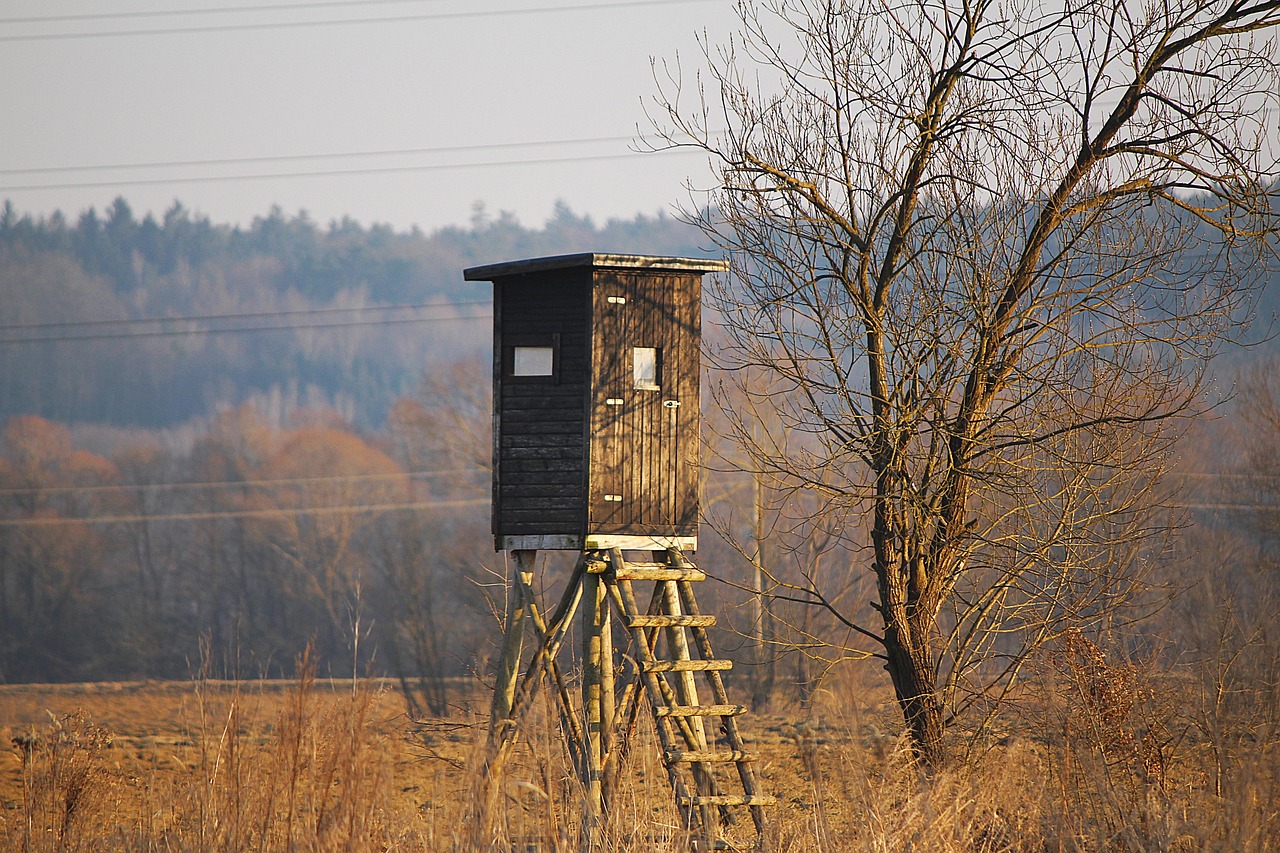
Tree Stand Accidents: Causes and How to Prevent Falls (2026)
The most common serious injury in deer hunting is a fall from a tree stand. Here is why falls happen and the simple habits and gear that stop them.
🌲 Stand Safety⚠️ Fall Prevention✅ Gear Checklist🦌 Deer Season 2026
Most hunters who fall from a tree stand were not doing anything wild. They were climbing up, settling in, or climbing down when something small went wrong. The good news is simple:
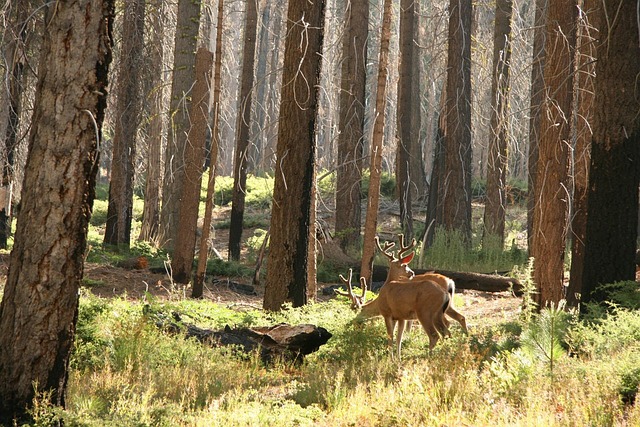
Why Tree Stand Falls Are the No. 1 Danger
Ask any wildlife agency what hurts more deer hunters than anything else, and the answer is not firearms. It is falls from tree stands. Studies of hunter injuries have found that a large share of hunters who spend time in elevated stands will take a fall at some point in their lives, and many of those falls cause broken bones, spinal injuries, or worse.
The reason is simple. A tree stand puts you fifteen to twenty-five feet in the air, often in the dark, often when you are cold and tired. Gravity does not care how experienced you are. A short slip that would be nothing on the ground becomes a life-changing event from twenty feet up.
Here is the part that should give you hope. Almost every one of these falls is preventable with gear that costs less than a good pair of boots. A full-body harness, a lifeline that keeps you connected from the moment you leave the ground, and a habit of three points of contact will stop the vast majority of accidents. The hunters who get hurt are almost never the ones wearing a harness and staying clipped in. They are the ones who left the harness in the truck or unclipped to move. Safety is a choice you make before you ever climb.
The Real Causes of Tree Stand Accidents
Tree stand accidents rarely come from one big mistake. They come from a chain of small ones. Understanding the common causes helps you break that chain before it starts.
Equipment failure. Straps rot in the sun, cables rust, and welds crack. A stand left hanging in a tree all year is far more likely to fail than one stored inside. Cheap or worn faulty tree stands are a leading cause of sudden collapses.
Human error. Most falls happen because a hunter rushed, skipped the harness, or reached too far for a shot. Climbing with a loaded firearm or a bow in hand, instead of using a haul line, is a classic mistake.
Loss of balance. Standing to shoot, turning to watch a deer, or falling asleep on stand can all shift your weight past the point of no return.
The transition moment. The single most dangerous moment is moving between the ladder or climbing sticks and the platform. That is when hunters are least stable and most likely to be unclipped.
When you look at these causes together, a pattern appears. The gear can fail, but the hunter almost always has a chance to catch the problem first. A quick inspection, a harness, and a slow, deliberate climb remove most of the risk. ⚠️
How Falls Actually Happen: The Three Danger Zones
Falls do not happen randomly. They cluster around three moments. If you protect yourself during these three zones, you remove almost all of your risk.
1. Climbing up and down
More falls happen while climbing than at any other time. A wet step, a broken screw-in step, or a hand slipping off a cold rung sends the hunter down. This is why a safety line that you clip to the moment your feet leave the ground is so important. It catches you during the exact window when most people are unprotected.
2. The transition onto the platform
Getting from the ladder or sticks onto the stand is the trickiest move of all. You have to shift your weight, turn your body, and trust the platform. Many hunters unclip here to move their tether, and that is when they fall. Never unclip. Use a lifeline and a sliding knot or carabiner so you stay connected the whole way.
3. Settling in and shooting
Once on stand, hunters relax. They lean out for a shot, stand on the seat edge, or doze off in the afternoon sun. A harness keeps a small slip from becoming a long fall. Always keep your tether short and above your head so a slip becomes a stumble, not a drop.
Stand Types and Their Risks Compared
Not all stands carry the same risk. Knowing the trade-offs helps you pick the right setup and respect the dangers of each. Climbing stands, hang-ons, and ladder stands each fail in different ways.
| Stand Type | Main Risk | Best For | Safety Priority |
|---|---|---|---|
| Ladder stand | Tip-out during setup, loose ratchet straps | Fixed spots, comfort, older hunters | Two straps and a buddy to hold it |
| Hang-on stand | Falls while hanging it, worn straps | Mobile hunters, tight cover | Lifeline while hanging |
| Climbing stand | Dropping the bottom half, slipping cable | Straight, limbless trees | Tether both halves, stay clipped |
| Ladder sticks | Screw or strap failure, over-reach | Setting hang-ons | Three points of contact |
A ladder stand feels the safest because it has a full ladder, yet it is often set up by one tired hunter in fading light, which is exactly when it tips. A climbing stand keeps you connected as you go, but drop the bottom section and you are stuck twenty feet up. Match the stand to your land, your body, and your experience. Whatever you choose, the harness and lifeline rules stay the same. If you are still deciding, our tree stand buyers guide compares the options in more detail.
The Fall-Arrest System Every Hunter Needs
A full-body harness is the single most important piece of hunting safety gear you will ever own. It spreads the force of a fall across your shoulders, chest, and thighs instead of your neck or waist, and it holds you upright so you can recover. A modern harness is light, quiet, and easy to forget you are wearing it. There is no good reason to hunt without one.
Look for a harness that meets a recognized fall-arrest standard, has a tether with a shock-absorbing section, and includes a suspension relief strap. That relief strap matters more than most hunters realize. If you do fall and hang in the harness, blood can pool in your legs within minutes. The relief strap lets you take weight off your legs and buy time until help arrives. Pair it with a properly fitted tree stand harness and learn to put it on the right way every time.
Buy a harness that fits your hunting clothes, including a heavy coat. Practice climbing with it in the yard before opening day so the straps and tether feel natural. A harness you understand is a harness you will actually use. 💡
A comfortable full-body harness is the foundation of every safe hunt. This style is built for all-day wear and connects to a tether that catches you fast.
- ✅ Spreads fall force across the whole body
- ✅ Suspension relief strap for safe hang time
- ✅ Quiet buckles that will not spook deer
- ✅ Fits over heavy cold-weather layers
Price and availability on Amazon.com. This site may earn a commission.
The Safety Line: Stay Connected Ground to Stand
A harness only protects you if you are attached to the tree. That is the job of a safety line, also called a lifeline. It is a rope that runs from above your stand all the way down to the ground. You clip a sliding knot, called a prusik knot, to the rope and to your harness tether. The knot slides up as you climb and locks the instant you fall.
The power of a lifeline is that it protects you during the most dangerous moments, the climb up and the climb down, without you ever having to unclip. You attach at the ground and stay attached until you are back on the ground. No gaps, no guessing. If you hunt the same stand often, leave a tree stand safety line hung all season so it is ready every time.
For hang-on stands and public land, a lineman-style rope also lets you keep both hands free while you hang or adjust the stand. Together, a harness and a lifeline turn a scary climb into a routine one. Set them up once and the habit does the rest. ✅
A lifeline keeps you connected from the ground to the platform and back. This kind uses a prusik knot that slides as you climb and grabs the moment you slip.
- ✅ Keeps you clipped during the whole climb
- ✅ Prusik knot locks instantly on a fall
- ✅ Reflective strand helps you find it at dawn
- ✅ Works with any fall-arrest harness
Price and availability on Amazon.com. This site may earn a commission.
Inspection and Maintenance Before Every Season
Gear does not stay safe on its own. Sun, rain, and cold slowly weaken straps, cables, and welds. A stand that was solid last year can be dangerous this year. A short inspection each season catches most equipment failures before they catch you.
What to check
- ✅ Straps and ratchets for fading, fraying, or dry rot
- ✅ Cables and chains for rust, kinks, or broken strands
- ✅ Welds and bolts for cracks and looseness
- ✅ Platform mesh and footrests for bends
- ✅ Steps and sticks for cracked welds or stripped screws
Replace worn straps rather than trusting them one more year. Nylon that has hung in the weather for several seasons can lose much of its strength even if it looks fine. If you are not sure where to start, our guide on tree stand maintenance walks through cleaning, storage, and part replacement step by step.
Store portable stands and harnesses indoors, out of the sun, whenever the season ends. Hang harnesses on a hook rather than crushing them in a bin. A little care doubles the life of your gear and keeps it trustworthy. Inspect your harness and lifeline too, since a rotted tether is just as deadly as a broken step.
Setting Up Your Stand the Safe Way
How you put a stand up matters as much as the stand itself. Rushed setups in low light cause a large share of accidents. Slow down and follow a simple routine every time.
Pick a healthy tree. Choose a straight, living tree with solid bark and no dead limbs overhead. Avoid smooth-barked or leaning trees. Learn more about placement in our guide to hanging your tree stand correctly.
Use a haul line. Never climb with your bow or firearm in your hands. Clip an unloaded weapon to a haul rope and pull it up only after you are secured on the stand. Lower it the same way before you climb down.
Bring a buddy for ladder stands. Ladder stands should always be set up by two or three people. One person holds the base while others raise and strap the ladder. Setting one alone is how they tip over.
Strap high and tight. Use the manufacturer straps at both the platform and the upper support. Add a second strap as backup on ladder stands. Tell someone your exact stand location and your plan before you head out, so help can find you fast if you ever need it.
Weather, Cold, and Fatigue: Hidden Fall Triggers
Some of the biggest fall risks are not about gear at all. They are about your body and the weather. Cold, wet, and tired hunters fall more often, and they often notice the danger too late.
Ice and rain. A frosty platform or a rain-slick step turns a normal climb into a skating rink. On wet mornings, slow down, test each step, and keep three points of contact at all times.
Cold and numb hands. When your fingers go numb, your grip weakens without you feeling it. Wear gloves you can still climb in, and warm your hands before you start down.
Fatigue and drowsiness. Afternoon sits in warm sun put hunters to sleep, and a sleeping hunter can slump right off the seat. If you feel yourself nodding off, that harness tether is the only thing between you and the ground. High wind is another warning sign, both for safety and for deer movement. If you want to know when to stay home, read how much wind is too much for deer hunting.
Respect your limits. If the weather is bad or you are worn out, a hunt from the ground beats a fall from the sky. No deer is worth a trip to the hospital. 💡
Common Tree Stand Mistakes and How to Fix Them
These are the errors that put hunters in the hospital every year. Read them, fix them, and you have removed most of your risk.
- Mistake: Leaving the harness in the truck because it feels like a hassle. Fix: Store the harness inside your hunting pack so it is always with your gear, and put it on before you leave the ground.
- Mistake: Unclipping to move past the platform. Fix: Use a full lifeline with a prusik knot so you never have to disconnect during the climb or the transition.
- Mistake: Climbing with a loaded firearm or bow in hand. Fix: Always use a haul line and keep weapons unloaded until you are secured on the stand.
- Mistake: Trusting straps that have hung outside for years. Fix: Inspect and replace weathered straps every season and store your gear indoors.
- Mistake: Setting a ladder stand alone in the dark. Fix: Bring a partner and set stands in daylight whenever you can.
- Mistake: Hunting too high for the thrill of it. Fix: Twelve to eighteen feet is plenty for most cover, and lower stands mean shorter falls.
Pro Tips From Experienced Hunters
Seasoned hunters make safety automatic. These small habits separate them from the folks who end up hurt.
- ✅ Put your harness on at home so you never forget it in the field.
- ✅ Keep your tether short and above your head so a slip is a stumble, not a drop.
- ✅ Carry a charged phone and a small whistle in a pocket you can reach while hanging.
- ✅ Learn to climb with three points of contact, two hands and a foot or two feet and a hand.
- ✅ Leave lifelines hung on your regular stands so clipping in is effortless.
- ✅ Practice a suspension relief step so you know how to use it before you ever need it.
The best hunters treat the harness like a seatbelt. They do not decide each morning whether to wear it. They simply never climb without it. That one habit prevents more injuries than any other single thing.
Follow a written routine every time you hunt. A simple checklist, done the same way, beats memory and beats luck. Review our full tree stand safety checklist and keep a copy in your pack.
The Cost of Safety Gear vs. the Cost of a Fall
Safety gear is cheap compared to what a fall costs you in money, pain, and time. Here is how the numbers stack up.
| Item | Rough Cost | What It Prevents |
|---|---|---|
| Full-body harness | $40 to $150 | Fatal or crippling falls |
| Lifeline with prusik | $25 to $60 | Falls during the climb |
| Lineman-style belt | $20 to $45 | Falls while hanging a stand |
| Suspension relief strap | $10 to $20 | Injury from hanging after a fall |
| A single fall injury | $30,000 and up | Nothing, the damage is done |
A complete safety setup costs less than a decent trail camera and lasts for years. A serious fall can mean surgery, months of recovery, lost work, and a permanent injury. When you look at it that way, the choice makes itself. Spend the small amount now and hunt for decades to come.
Frequently Asked Questions
How common are tree stand accidents?
They are the leading cause of serious injury in deer hunting. Research suggests a large share of regular tree stand hunters will fall at some point, and thousands are hurt badly enough to need a hospital each year. The reassuring part is that a harness and lifeline prevent almost all of these injuries.
Do I really need a harness if I only hunt low?
Yes. Falls from as low as ten feet can break bones or cause a head injury. A harness is light and easy to wear, so there is no reason to skip it at any height. Wear it every time your feet leave the ground.
What is a lifeline and how is it different from a harness?
A harness is what you wear. A lifeline is the rope that runs from above your stand to the ground, so you can stay clipped for the whole climb. You need both. The harness catches you, and the lifeline keeps you attached during the climb, which is when most falls happen.
How long do tree stand straps last?
Straps left outdoors can weaken in just two or three seasons, even if they look okay. Inspect them every year, store gear indoors, and replace any strap that is faded, stiff, or frayed. When in doubt, replace it.
What should I do if I fall and hang in my harness?
Get weight off your legs fast using your suspension relief strap or by pushing against the tree, then call for help. Hanging still for many minutes can cut off blood flow, so keep moving your legs and get down or get rescued as soon as you can.
Is it safe to hunt from a tree stand alone?
It can be, if you wear a harness, use a lifeline, and tell someone your exact location and return time. Never set up a ladder stand alone, and always carry a phone you can reach while hanging.
- ✅ Full-body harness on before you leave the ground
- ✅ Lifeline clipped from the very first step
- ✅ Weapon unloaded and on a haul line
- ✅ Stand and straps inspected this season
- ✅ Three points of contact the whole climb
- ✅ Someone knows your location and return time
- ✅ Phone and whistle in a reachable pocket
- ✅ Weather and energy level checked before you climb
Tree stand hunting is one of the best ways to fill a tag, and it does not have to be dangerous. Wear the harness, hang the lifeline, inspect your gear, and climb slow. Do those four things every single time and you turn the riskiest part of hunting into a routine. Stay safe out there, protect the people who count on you, and enjoy every sunrise from the tree. 🌲