Deer Hunting Safety Guidelines: Firearm & Stand Tips (2026)
Learn the core deer hunting safety guidelines for 2026, from firearm handling and tree stand harnesses to blaze orange and smart, safe shot decisions.
As an Amazon Associate, Deer Hunting Success may earn from qualifying purchases.
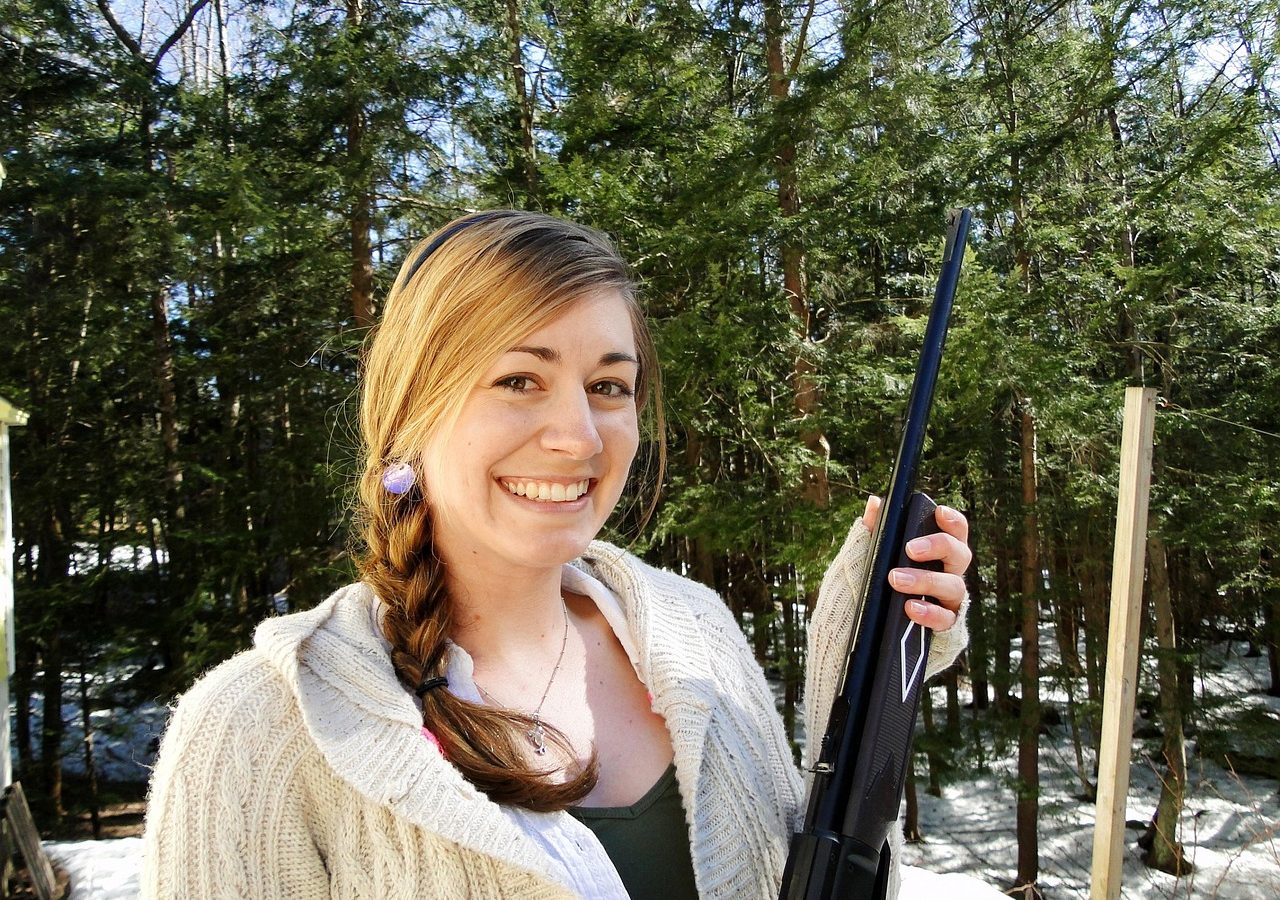
Deer Hunting Safety Guidelines: Firearm & Stand Tips (2026)
Simple, proven safety habits that keep you and your hunting partners alive every single season.
🦌 Firearm Safety🌲 Tree Stand Safety🟠 Blaze Orange🎯 Safe Shots
The safest hunt is also the most successful hunt. When you handle your firearm the right way, wear your harness, and pick clean, sure shots, you come home every time and you fill more tags. Safety is not the boring part of hunting. It is the part that lets you keep doing it for
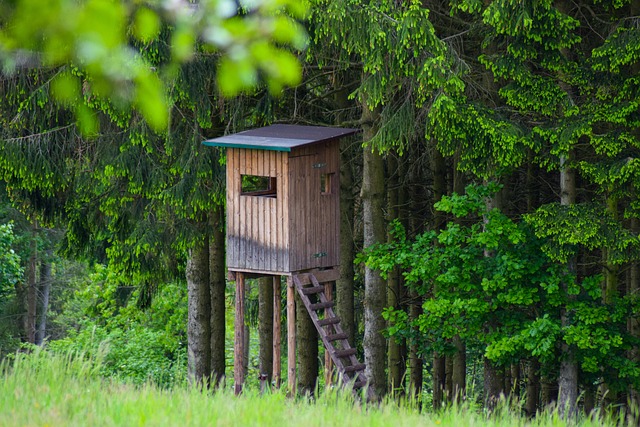
Why Safety Comes First
Deer hunting is one of the safest outdoor sports when you follow the rules, and one of the most dangerous when you do not. Most hunting injuries come from two sources: falls from elevated stands and firearm mistakes. Both are almost 100 percent preventable. A tree stand fall from just 15 feet can break a back or worse, yet a simple harness and lifeline stop that fall cold. A firearm accident usually traces back to a single skipped habit, like forgetting the safety or not being sure of the target.
Safety also makes you a better hunter. A calm, prepared hunter moves slower, thinks clearer, and shoots straighter. When you trust your gear and your routine, you stop rushing. You wait for the broadside shot instead of forcing a risky one. You climb down carefully instead of hurrying in the dark. Over a lifetime of hunting, those small choices add up to zero accidents and a lot of full freezers.
This guide gives you a plain-English safety system you can teach to a new hunter in an afternoon. We start with the firearm, because you carry it every second of the hunt. Then we cover the tree stand, where most serious injuries happen. Finally we cover visibility and shot decisions, the two habits that protect the people hunting near you. 🦌
| Safety Area | Main Risk | Simple Fix |
|---|---|---|
| Firearm handling | Negligent discharge | Follow the four rules every time |
| Tree stand | Falls from height | Full-body harness plus a lifeline |
| Visibility | Being mistaken for game | Wear blaze orange |
| Shot choice | Hitting the wrong target | Identify the target and what is beyond it |
The Four Rules of Firearm Safety
The whole system of gun safety rests on four rules. They overlap on purpose. If you ever break one, the others still protect you. Teach them to every new hunter before they ever touch a loaded rifle, and repeat them to yourself until they are automatic.
1. Treat every gun as if it is loaded
It does not matter if you just unloaded it yourself. Handle it like a live firearm every single time. This one habit removes the phrase “I did not know it was loaded” from your life forever.
2. Never point the muzzle at anything you are not willing to destroy
Control where the barrel points at all times, even while walking, climbing, or handing the gun to a friend. A safe muzzle direction turns a mistake into a scare instead of a wound.
3. Keep your finger off the trigger until your sights are on target
Rest your trigger finger straight along the frame, outside the guard, until the deer is in your sights and you have decided to shoot. This stops the startle-fire reflex when you trip or a branch snaps.
4. Be sure of your target and what is beyond it
Identify the deer fully, then look past it. Bullets travel far and pass through. Never shoot at sound, movement, or a patch of brown. We cover this more in the shot decisions section below.
Loading, Unloading & Muzzle Control
Most negligent discharges happen during transitions: loading, unloading, crossing a fence, or getting in and out of a vehicle or stand. Slow down during these moments and you erase most of the risk.
Load your firearm only when you are safely on stand or in position to hunt, with the muzzle pointed in a safe direction. Unload before you climb down, cross a fence, or walk back to the truck. When crossing a fence alone, unload, lay the gun on the far side with the muzzle pointed away, then cross. With a partner, hand both guns across unloaded before either person climbs.
Never climb a tree with a loaded gun or bow slung on your back. Use a haul line to raise and lower your unloaded firearm after you are secured in the stand. Point the muzzle down while raising it so a snag cannot swing it toward you. Keep your hands free for the climb and let the rope do the lifting.
In a vehicle or on an ATV, always transport firearms unloaded and cased, action open and chamber empty. It is not just the law in most states, it is the habit that keeps a bumpy ride from turning deadly. When you make loading and unloading a slow, deliberate ritual, you build a wall between yourself and the most common accidents. For help matching your load to your rifle, see our guide to the best ammo for deer hunting.
Tree Stand Safety Basics
More hunters are hurt falling from tree stands than by firearms. A fall of even 12 to 15 feet can cause life-changing injury. The scary part is that most falls happen to experienced hunters who got comfortable and skipped a step. Respect the height every single time you climb.
Start on the ground. Inspect your stand and straps before the season. Sun, rain, and cold rot nylon straps fast. Replace any strap that is faded, stiff, or frayed. Check welds, bolts, cables, and platform pins for rust or cracks. If you hang public-land stands or leave a stand up all year, inspect it again before you climb.
Pick a straight, healthy tree with a slight lean toward you, roughly 10 to 20 inches across. Avoid dead trees, smooth-bark trees like beech in the wet, and any tree with loose bark. Clear shooting lanes and climbing paths of branches before dark so you are not fighting limbs in the morning gloom.
Never hurry. The two most dangerous moments are climbing on and stepping off, when you transfer weight between the ladder and the platform. Move slowly, keep three points of contact, and stay connected to the tree the entire time. If you feel rushed, stop and breathe. The deer can wait. Before you buy or hang anything, walk through our tree stand safety checklist.
Choosing a Safety Harness
A full-body safety harness, also called a fall-arrest system, is the single most important piece of tree stand gear you own. A waist belt alone is dangerous, because it can cause serious internal injury in a fall. Always choose a full-body harness that meets the Treestand Manufacturers Association (TMA) standard.
Fit matters. The harness should be snug but let you move freely, with the tether attached above your head so a fall is short and keeps you upright. Adjust every strap to your hunting clothes, then wear it every time, from the first step up the tree to the last step down. A harness left in your pack saves no one.
Know about suspension trauma. If you do fall and hang in the harness, blood can pool in your legs and cause you to pass out within minutes. Carry a suspension relief strap, a simple loop you stand in to take pressure off your legs while you self-rescue or wait for help. Practice using it on the ground first so it is muscle memory. 💡
Modern harnesses are light, quiet, and comfortable enough that you forget you have one on. There is no reason to skip it. If cost is a worry, remember that a good harness costs far less than one emergency room visit. Read our deep dive on the tree stand harness for fit tips and top picks.
| Safety Gear | Typical Cost | Protects Against |
|---|---|---|
| Full-body harness | $30 to $150 | Deadly tree stand falls |
| Lifeline rope | $25 to $60 | Falls during the climb |
| Blaze orange vest and cap | $15 to $50 | Being mistaken for game |
| Suspension relief strap | $10 to $25 | Suspension trauma after a fall |
| Haul line | $8 to $20 | Climbing with a loaded gun |
A lightweight, TMA-certified full-body harness that keeps you upright in a fall and stays comfortable enough to wear all day.
- ✅ Full-body design prevents internal injury
- ✅ Keeps you upright and conscious in a fall
- ✅ Adjusts to fit over heavy hunting clothes
- ✅ Comfortable enough to wear every hunt
Our pick on Amazon: Hunter Safety System X-1 Bow-Hunter Tree Stand HarnessThe specs above describe what to look for. Check the listing for this model’s exact specifications and current price.
Price and availability on Amazon.com. This site may earn a commission.
Lifelines & Three Points of Contact
A harness only protects you when you are attached to the tree. The danger zone is the climb, exactly when most hunters are not clipped in. A lifeline closes that gap and covers you from the ground up.
A lifeline is a rope that runs from the base of the tree to above your stand. You clip your harness tether to it with a Prusik knot before you leave the ground and stay connected the whole way up, on the platform, and all the way back down. The Prusik slides as you climb but grabs instantly if you fall. This is the missing link that prevents the most common falls.
Pair the lifeline with three points of contact. That means two hands and one foot, or two feet and one hand, touching solid support at all times. Never move two limbs at once. Test each step and rung before you trust it with your weight. Keep both hands free for climbing by using a haul line for your gun, bow, and pack.
Go slow and deliberate. Climbing in the cold and dark with heavy clothes is when grip and balance are worst. If a rung feels loose or icy, back off and fix it. A lifeline plus three points of contact means that even if a step breaks, you fall only inches instead of feet. Learn how to rig one in our tree stand safety line guide.
| Fall Protection | Protects During | Best For |
|---|---|---|
| Full-body harness only | While clipped in on the stand | Baseline, the required minimum |
| Harness plus lifeline | The full climb up and down | Every hunter, every stand |
| Harness plus lineman rope | Hanging and climbing stands | Mobile and saddle hunters |
| Waist belt only | Little to none (unsafe) | Not recommended |
Blaze Orange & Visibility
Blaze orange, also called hunter orange, saves lives by making you visible to other hunters. Deer cannot see orange the way we do, so you stay hidden from game while standing out clearly to people.
Most states require a set amount of solid blaze orange during firearm deer seasons, often 400 square inches or more, worn above the waist and visible from all sides. A cap plus a vest usually covers the rule. Check your state regulations before every season, because square-inch rules and camo-orange rules vary. When in doubt, wear more, not less.
Deer are colorblind to orange. Their eyes lack the receptors to see it as a bright color, so a blaze vest looks like a dull gray-brown to them. What deer do notice is movement and unnatural shine, so stay still and avoid glossy fabrics. You lose nothing by wearing orange, and you gain a huge margin of safety when other hunters are moving through your area.
Fluorescent orange also helps in an emergency. If you fall or get lost, that bright color makes you far easier to spot from the ground or the air. Add a small orange marker to your pack and hang orange near your stand entrance so others know someone is hunting there. Visibility is a two-way gift: you see other hunters, and they see you. ⚠️
A high-visibility blaze orange vest that meets common state square-inch rules and layers easily over any hunting jacket.
- ✅ Meets common blaze orange requirements
- ✅ Deer cannot see orange, so game stays calm
- ✅ Lightweight enough for early-season heat
- ✅ Bright color helps rescuers find you fast
Our pick on Amazon: Blaze Orange Deer Hunting Vest, Hi-Vis Ultra-Quiet Waterproof Safety VestThe specs above describe what to look for. Check the listing for this model’s exact specifications and current price.
Price and availability on Amazon.com. This site may earn a commission.
Making Safe Shot Decisions
The moment of the shot is where safety and success meet. A good shot is safe, clean, and sure. A bad shot is rushed, risky, or unclear. Train yourself to pass on anything that is not a clear yes.
Positive target identification comes first. Never shoot at sound, movement, color, or a shape you assume is a deer. See the whole animal, confirm it is legal game, and confirm the sex and antler rules for your tag. Many tragic accidents start with a hunter firing at a flash of brown that turned out to be another person.
Then check what is beyond your target. A bullet can travel more than a mile and often passes clean through a deer. Know what is behind it: a safe backstop like a hill or dirt bank, not a road, house, trail, or another hunter stand. If you cannot see a safe backstop, do not shoot.
Wait for the broadside or quartering-away angle that gives a clean, ethical hit through the vitals. Pass on head-on, straight-away, or fast-moving shots that risk wounding. Know your effective range and stay inside it. Practice at the yardages you actually hunt so the shot feels boring and familiar in the field. Control your emotions too, because buck fever makes hunters rush. Take a breath, settle the crosshairs, and squeeze. If any part of the shot feels wrong, let the deer walk. 🎯
| Shot Situation | Take It? | Why |
|---|---|---|
| Broadside, clear backstop, in range | Yes | Clean vitals hit in a safe direction |
| Quartering away, clear backstop | Yes | Good angle straight to the vitals |
| Head-on or straight away | No | High wounding risk |
| Deer running fast | No | Too hard to place a clean shot |
| Target not fully identified | No | Could be another hunter |
| Road or building beyond deer | No | No safe backstop |
Ground Blind & Field Safety
Ground blinds and open field hunting bring their own safety habits. In a ground blind, you lose the tree stand fall risk but gain a visibility risk, because you are hidden low and hard for other hunters to see.
If you hunt from a ground blind on public land, hang blaze orange on or above it so other hunters know it is occupied. Keep muzzles pointed out the shooting windows, never across the inside of the blind. Manage arrows and loaded firearms carefully in the tight space, and never rest a loaded gun leaning where it can tip over.
Know where every member of your group is before anyone shoots. On deer drives this is critical. Standers and drivers must agree on safe shooting directions so no one ever fires toward another person. Shoot only at ground level toward a safe backstop during drives, and never swing your muzzle across the line of hunters.
Watch your footing in the dark. Use a headlamp walking in and out, mark your trail, and tell someone your exact stand location and return time. Carry a charged phone, a whistle, and a small first-aid kit. Weather matters too, so learn how much wind is too much for deer hunting before you climb or set up in a storm. These field habits protect you when you are moving, the time you are least protected.
Common Safety Mistakes
Even careful hunters slip into bad habits over time. Here are the mistakes that hurt the most hunters, and the simple fix for each. Read them, then check yourself against them every season.
- ⚠️ Mistake: Climbing without being clipped in. Fix: Use a lifeline so you are attached from the ground up and back down.
- ⚠️ Mistake: Wearing a waist belt instead of a full-body harness. Fix: Switch to a TMA-certified full-body harness this week.
- ⚠️ Mistake: Climbing with a loaded gun on your back. Fix: Unload and use a haul line after you are secured in the stand.
- ⚠️ Mistake: Skipping the strap inspection. Fix: Check and replace worn straps before every season.
- ⚠️ Mistake: Shooting at movement or a patch of brown. Fix: Positively identify the whole animal first.
- ⚠️ Mistake: Ignoring what is beyond the target. Fix: Confirm a safe backstop before every shot.
- ⚠️ Mistake: Leaving blaze orange in the truck. Fix: Keep a vest and cap in your pack all season.
- ⚠️ Mistake: Hurrying the climb in the dark. Fix: Slow down and keep three points of contact.
Pro Tips & Key Insight
These habits separate hunters who go decades without an accident from those who simply got lucky. Build them into your routine now, before opening day.
- 💡 Tell someone your exact stand location and your planned return time before every hunt.
- 💡 Keep a charged phone, headlamp, whistle, and suspension relief strap on your body, not up in the stand.
- 💡 Practice climbing and using your harness and lifeline in daylight before opening day.
- 💡 Do a slow gear inspection at home so you never discover a bad strap 15 feet up.
- 💡 Set your stand and shooting lanes weeks early so opening morning is calm, not rushed.
- 💡 Sight in your rifle every year and practice at real hunting distances.
The best hunters are not the ones who take the most shots. They are the ones who come home every season for fifty years. Safety is what makes a long hunting life possible.
Frequently Asked Questions
Do I really need a harness if my stand is low?
Yes. Falls from 10 to 15 feet cause serious, sometimes fatal, injuries. Height does not have to be extreme to be dangerous. Wear a full-body harness on any elevated stand, every time, and clip into a lifeline from the ground up.
Can deer see blaze orange?
No. Deer are colorblind to orange and see it as a dull gray-brown. They notice movement and shine far more than color, so blaze orange keeps you visible to other hunters without spooking deer. Just stay still and avoid glossy fabrics.
When should I load and unload my firearm?
Load only when you are safely in position with the muzzle pointed in a safe direction. Unload before climbing down, crossing a fence, or walking back to the vehicle. Always transport firearms unloaded and cased with the action open.
What is suspension trauma?
If you fall and hang in a harness, blood can pool in your legs and make you pass out within minutes. A suspension relief strap lets you stand and take pressure off your legs while you self-rescue or wait for help. Practice using it first.
How much blaze orange do I need?
It varies by state, but many require at least 400 square inches of solid blaze orange worn above the waist and visible from all sides. A vest plus a cap usually meets the rule. Always check your state regulations before the season.
What is the number one cause of hunting injuries?
Tree stand falls cause more serious injuries than firearms. Most falls happen during the climb up or down, when hunters are not clipped in. A harness plus a lifeline and three points of contact prevents the vast majority of them.
- ✅ Full-body harness on before you leave the ground
- ✅ Lifeline clipped in for the whole climb
- ✅ Straps, bolts, and platform inspected
- ✅ Firearm unloaded until you are in position
- ✅ Haul line ready for gun, bow, and pack
- ✅ Blaze orange vest and cap worn and visible
- ✅ Suspension strap, phone, headlamp, and whistle on your body
- ✅ Someone knows your location and return time
- ✅ Safe backstop confirmed before every shot
- ✅ Target positively identified, every single time
Safety is not a checklist you finish once. It is a set of habits you repeat every hunt until they are automatic. Master these deer hunting safety guidelines and you protect yourself, your partners, and the future of the sport. Now get out there, hunt smart, and come home every time. 🦌