How to Hang a Tree Stand Correctly and Safely: Full Guide (2026)
As an Amazon Associate, Deer Hunting Success may earn from qualifying purchases.

How to Hang a Tree Stand Correctly and Safely: Full Guide (2026)
Pick a solid tree, use a lineman’s rope and a lifeline, and climb with real confidence every single time.
🌲 Tree Selection🪢 Lineman’s Rope🛟 Lifeline✅ Step by Step
Hanging a tree stand the right way keeps you safe and helps you shoot more deer. A stand set on a strong tree, at the right height, backed by a lineman’s rope and a lifeline, lets you hunt for hours without worry. You stay quiet, steady, and ready the moment a buck steps into range. 🌲
Here is the truth most new hunters miss: the majority of tree stand accidents happen while a hunter is climbing up or coming down,
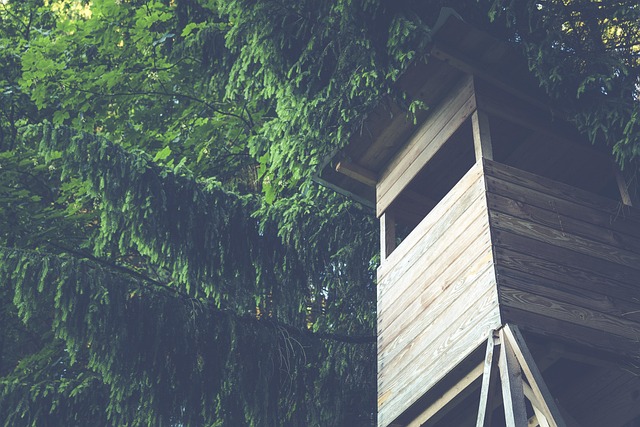
Choosing the Right Tree
The tree is your foundation. If the tree is weak, no amount of good gear will save you. Start by looking for a living, healthy tree with a straight, solid trunk. Dead trees, hollow trees, and leaning trees are all a hard no. Give the trunk a firm push. If it moves more than a little, walk away.
For most hang-on and climbing stands, aim for a trunk that is about 10 to 18 inches across at the height where you will stand. A trunk this size is strong enough to hold you and wide enough to hide your outline. Very thin trees flex and sway. Very fat trees make it hard to wrap a strap or a lineman’s rope all the way around.
What to Look For in a Good Tree
Pick a tree with a slight lean away from you, so your stand tips back toward the trunk instead of away from it. Look up and check for dead limbs, called widow-makers, that could fall on you. Clear branches that block your climb, but keep a few leafy limbs at your back and sides for cover.
Tree bark matters too. Rough bark like oak and hickory grips straps well. Smooth, slick bark like beech or a wet pine can let a strap slide, so cinch extra tight and test it. The best trees also sit near deer sign, such as trails, rubs, and scrapes. For more on reading the land, see our notes on selecting a successful tree stand location. A strong tree in a bad spot is safe but empty. A strong tree on a hot trail is where success lives. 🌲
The Gear You Need
You do not need a truckload of gear to hang a stand safely, but a few items are not optional. The core kit is a full-body safety harness, a lineman’s rope, a lifeline, climbing sticks or steps, and the stand itself. Each piece has one job, and together they keep you tied to the tree from the first step to the last.
Before you buy, it helps to know the three main stand styles, because the gear changes a little with each one. The table below breaks down the common types so you can match your gear to your hunt.
| Stand Type | Best For | Setup Effort | Safety Notes |
|---|---|---|---|
| Hang-On | Fixed spots you hunt often | Medium, needs sticks or steps | Use a lineman’s rope while hanging |
| Climbing | Straight, limb-free trees | Low, climbs with you | Stay tethered as you inch up |
| Ladder | Long sits, comfort, two hunters | High, needs a helper | Strap the top before you climb high |
If you are still picking a platform, our tree stand buyers guide compares brands and price points in more detail. For hang-on setups, you also need a way to climb, which we cover in the climbing sticks section below. Whatever you choose, buy a harness first. It is the one item that turns a fall into a scare instead of a tragedy. 💡
Using a Lineman’s Rope
A lineman’s rope, also called a lineman’s belt, is the tool that keeps you attached to the tree while you hang your stand. It wraps around the trunk and clips back to both sides of your harness waist. This leaves both of your hands free to work while the rope holds you against the tree. Utility line workers use the same idea to climb poles, which is where the name comes from.
Here is how it works in the field. You clip one end to a side ring on your harness. You pass the rope around the trunk and clip the other end to the opposite side ring. Now you can lean back into the rope and let it take your weight. Your hands are free to set a strap, level a stand, or trim a branch.
Moving the Rope Up the Tree
As you climb, you flip or slide the lineman’s rope up the trunk ahead of you, a little at a time. You are always leaning into it, so if a foot slips, the rope catches you at once. Most ropes use a friction knot called a prusik, or a metal rope grab, that slides when you push it but locks when you pull down on it.
Never let go of the tree while you move the rope. Move the rope, then move your body, one small step at a time. A lineman’s rope does not replace your lifeline or your harness. It is a separate tool for the hanging stage. Once your stand is set and you switch to hunting from a fixed spot, the lifeline takes over. Together they cover you from the ground to your seat.
Installing a Lifeline
A lifeline is a single rope that runs from the base of the tree all the way up to your stand. You clip onto it with a prusik knot, and you stay clipped the entire time you climb up and down. This is the piece that protects you during the most dangerous moments, when you are stepping onto or off the platform.
To install a lifeline, you attach the top of the rope above your stand, usually while you are already tied off with your lineman’s rope. The rope hangs down to the ground with a prusik loop on it. From then on, before your feet ever leave the dirt, you clip your harness tether to that prusik and slide it up as you climb. If you slip at any height, the prusik locks and holds you.
The table below shows how a lineman’s rope and a lifeline do different jobs. You want both, not one or the other.
| Feature | Lineman’s Rope | Lifeline |
|---|---|---|
| Main use | Hanging the stand | Climbing up and down |
| Hands free | Yes, both hands | One hand slides the knot |
| Wraps the trunk | Yes, around the tree | No, runs top to bottom |
| Stays up all season | No, you carry it | Yes, leave it on the tree |
| Protects the platform step | Only during setup | Yes, every trip |
A lifeline is cheap insurance. You can buy them ready-made or tie your own from rated rope. For a deeper look, read our page on the tree stand safety line and how to set it. Once a lifeline is up, that stand is safer for every hunt that follows. 🛟
Wearing a Safety Harness
A full-body safety harness is the heart of your whole system. It spreads the force of a fall across your chest, shoulders, and thighs instead of a single strap around your waist. A waist belt alone can hurt you badly in a fall. A full-body harness holds you upright and safe until you can get back to the platform or down to the ground.
Put your harness on at the truck, not at the tree. That way you are never standing at the base fumbling with straps. Read the tag and check the weight rating. Make sure it fits over your hunting clothes with room to spare, but not so loose that it rides up. The tether that connects you to the tree or lifeline should be short enough that you cannot fall far.
Care and Inspection
Check your harness every season and after any fall. Look for frayed webbing, cracked buckles, and worn stitching. Sunlight and moisture break down straps over time, so store it dry and out of the light. Most makers say to replace a harness every few years, or right away if it ever caught a fall.
One more habit will save your life. Add a suspension relief strap, a small loop you can stand in if you ever hang in your harness after a fall. Hanging still for too long can cut off blood flow to your legs. The relief strap lets you take pressure off and buy time. For a full walk-through, see our guide to the tree stand harness and how to fit one correctly. Never climb without it. ⚠️
Setting Climbing Sticks and Steps
For a hang-on stand, you need a way to reach the height you want. Climbing sticks and screw-in or strap-on steps are the two main choices. Climbing sticks are ladder-like sections that strap to the trunk and stack on top of each other. Steps are single pegs you place one at a time. Both work, but sticks are faster and steadier for most hunters.
Start at the bottom and work up while tied off with your lineman’s rope. Strap the first stick tight, test it with your weight, then step up and set the next one. Keep the spacing even, about 12 to 18 inches between steps, so your climb feels natural in the dark. A step that is too high forces a big reach and throws off your balance.
Keep Everything Tight and Aligned
Line your sticks up in a straight column so you climb in a smooth line, not a zigzag. Cinch every strap down hard, because cold weather can shrink and loosen webbing overnight. Give each stick a firm shake before you trust it. If it wobbles, fix it now, not when you are ten feet higher in the dark.
Leave your sticks and stand up all season if the land allows it, so your entry is quiet and quick on hunt day. If you must take them down, mark the tree with a small, safe marker so you can reset fast. Our notes on tree stand steps cover spacing and placement in more depth. Solid steps are the ladder your whole hunt stands on. 🪜
Step by Step: Hanging Your Stand
Now we put it all together. Work slowly and keep three points of contact with the tree at all times. That means two hands and a foot, or two feet and a hand, are touching the tree or a step whenever you move. Never rush. A stand you hang in daylight, calm and careful, will serve you for years.
The Hanging Sequence
1. Gear up on the ground. Put on your harness at the truck. Clip your lineman’s rope to one hip. Use a haul line, a light rope, to lift your stand and bow later. Never climb with gear in your hands.
2. Set your first steps. Attach the lowest climbing stick or step. Clip your lineman’s rope around the trunk once you can lean into it. Test each step before you trust it.
3. Climb with the lineman’s rope. Slide the rope up ahead of you as you go. Keep leaning into it so a slip is caught instantly. Set each stick tight as you rise.
4. Hang the stand. At your chosen height, wrap the stand strap around the trunk above your top step. Cinch it hard. Set the platform level, then tug down on it with your full weight while still tied off.
5. Install your lifeline. Attach the lifeline above the stand and drop it to the ground. From now on you climb clipped to it, every trip.
6. Haul up your gear. Once seated and tethered, use the haul line to lift your unloaded bow or rifle. Keep muzzles and broadheads pointed away from you. For a printable version, use our tree stand safety checklist before each climb.
A comfortable, well-rated full-body harness is the single most important item you can own. This style spreads fall force across your whole body and comes with a tether and suspension relief strap.
- ✅ Spreads fall force to keep you upright and safe
- ✅ Fits over cold-weather hunting clothes
- ✅ Includes a relief strap to prevent hang injury
- ✅ Quick buckles let you gear up at the truck
Price and availability on Amazon.com. This site may earn a commission.
The Right Height and Angle
How high should you hang a stand? The honest answer is high enough to beat a deer’s eyes and nose, but no higher than you need. For most hunters, 15 to 20 feet is the sweet spot. That height keeps your scent and movement above a deer’s normal line of sight, yet keeps your shot angle sane.
Go too high and two problems appear. First, the shot angle gets steep, which shrinks the deer’s vital area and can send an arrow high through one lung. Second, more height means more risk on every climb. There is no prize for being the highest hunter in the woods. Pick the lowest height that still hides you.
Set the Wind and the Sun
Angle matters as much as height. Face your stand so the wind carries your scent away from the trail you expect deer to use. If you can, keep the rising or setting sun at your back, so it shines in a deer’s eyes and not yours. A stand that fights the wind will go cold no matter how well it is hung.
Set your platform dead level, then check that your seat lets you turn for both a left and a right shot. Clear a few shooting lanes, but do not open the woods so much that you stick out. For help matching height and cover to the land, see our guide on the hang-on tree stand. The right height, wind, and angle turn a good tree into a killer setup. 💡
Common Mistakes to Avoid
Even careful hunters slip into bad habits. Most tree stand accidents trace back to a short list of mistakes that are easy to fix once you know them. Read this list twice, then check your own routine against it before your next hang.
- Mistake: Climbing without being tied off. Many falls happen in the few feet near the ground where hunters feel safe. Fix: Clip your lineman’s rope or lifeline before your feet leave the dirt and stay attached the whole climb.
- Mistake: Using a dead or leaning tree. A weak trunk can snap or a dead limb can drop on you. Fix: Pick a living, straight, healthy tree and clear any dead limbs above your stand first.
- Mistake: Loose straps and steps. Cold nights shrink webbing and loosen buckles. Fix: Cinch every strap hard, shake each step, and re-check straps at the start of each season.
- Mistake: Climbing with gear in your hands. A bow or pack ties up hands you need on the tree. Fix: Use a haul line to lift an unloaded weapon after you are seated and tethered.
- Mistake: Hanging too high. Extra height adds risk and ruins your shot angle. Fix: Settle for 15 to 20 feet, which hides you and keeps a good angle.
- Mistake: Skipping a suspension relief strap. Hanging still after a fall can harm your legs fast. Fix: Carry a relief loop you can stand in and know how to use it.
Pro Tips from the Field
Once the basics are solid, a few smart habits make hanging faster, quieter, and safer. These are the little things veteran hunters do without thinking, and they add up over a long season.
- 💡 Hang your stands in the off-season or midday, when noise and scent bother deer the least.
- 💡 Carry a small folding saw to clear shooting lanes and climb paths cleanly.
- 💡 Wear gloves. They protect your hands and keep your scent off straps and steps.
- 💡 Practice the full climb from the ground once before you ever hunt the stand in the dark.
- 💡 Keep a spare prusik cord and a couple of extra straps in your pack for quick fixes.
- 💡 Number your climbing sticks so they stack in the same order every time.
The safest hunter is not the one who never slips. It is the one who is always attached to the tree when the slip comes.
One more field-tested idea: hang two or three stands on different winds in the same area. When the wind shifts, you can still hunt the spot without spooking deer. If you like to build your own gear, our plans for a build your own tree stand project pair well with the safety steps here. Good habits, repeated every hunt, are what keep you in the game for decades. ✅
A ready-made lifeline gives you a clip-in point from the ground to your stand. It comes with prusik knots already tied and rated hardware, so you are protected on every trip up and down.
- ✅ Keeps you clipped in from ground to platform
- ✅ Prusik locks instantly if a foot slips
- ✅ Leave it up all season for quiet entries
- ✅ Works with any full-body safety harness
Price and availability on Amazon.com. This site may earn a commission.
Costs and Gear Picks
Safe tree stand hanging does not have to break the bank. The core safety gear costs less than most hunters spend on a single scope. Below is a quick-facts table of what you can expect to pay for a solid, safe setup in 2026. Prices are rough ranges to help you plan a budget.
| Item | Typical Cost | Do You Need It? |
|---|---|---|
| Full-body harness | $60 to $150 | Yes, never skip it |
| Lineman’s rope | $20 to $40 | Yes, for hanging |
| Lifeline (per stand) | $25 to $45 | Yes, one per tree |
| Climbing sticks (set) | $70 to $200 | Yes, for hang-on stands |
| Hang-on stand | $80 to $250 | Yes, the platform |
| Haul line | $10 to $20 | Yes, keeps hands free |
Spend your money on the harness, lifeline, and lineman’s rope first, even before a fancy stand. Those three items are what keep you alive. A basic hang-on stand on a strong tree, hunted with full safety gear, will kill more deer than the priciest stand hung carelessly.
Buy quality straps and rated hardware, and inspect all of it each season. Cheap webbing that fails is no bargain. If you hunt several spots, budget for one lifeline per tree so every stand is ready and safe on hunt day. For safe entry and exit habits, keep our tree stand safety checklist handy in your pack.
Frequently Asked Questions
How high should I hang my tree stand?
For most hunters, 15 to 20 feet is ideal. That height keeps you above a deer’s normal line of sight and scent while keeping your shot angle safe. Going higher adds risk and steepens your shot, so pick the lowest height that still hides you.
Do I really need both a lineman’s rope and a lifeline?
Yes. They do different jobs. The lineman’s rope keeps you attached while you hang the stand and set your sticks. The lifeline keeps you clipped in every time you climb up and down for the rest of the season. Together they cover the two most dangerous stages of tree stand hunting.
What size tree is best for a tree stand?
Look for a living, healthy trunk about 10 to 18 inches across at the height you plan to stand. That size is strong enough to hold you and wide enough to hide your outline. Avoid dead, hollow, or heavily leaning trees no matter how convenient they seem.
Can I leave my stand and lifeline up all season?
On most private land, yes, and it is smart to do so for quiet, quick entries. Check local rules on public land, since some places require you to remove stands daily. Inspect any left-up gear each season for wear, loose straps, and weather damage before you climb.
What is the most common tree stand mistake?
Not staying attached to the tree during the climb, especially in the first few feet off the ground where hunters feel safe. Clip in before your feet leave the dirt and stay tied off the entire way up and down. That one habit prevents most falls.
How often should I replace my safety harness?
Follow the maker’s date on the tag, usually every three to five years, and replace it right away if it ever caught a fall or shows frayed webbing or cracked buckles. Store it dry and out of sunlight to make it last as long as possible.
- ✅ Harness on at the truck, buckles checked, relief strap ready
- ✅ Living, straight, healthy tree, 10 to 18 inches across
- ✅ Dead limbs cleared above your stand height
- ✅ Lineman’s rope clipped before your feet leave the ground
- ✅ Climbing sticks tight, aligned, and shake-tested
- ✅ Stand strapped hard and set dead level
- ✅ Lifeline installed from the ground to above the stand
- ✅ Haul line used for an unloaded weapon after you are seated
- ✅ Someone knows your location and return time
Hanging a tree stand the right way is a skill you build one careful climb at a time. Take it slow, stay tied to the tree, and trust your gear. Do that, and you will spend more seasons in the woods, watching the sun rise over a trail with a big buck coming your way. Stay safe up there, and enjoy the hunt. 🌲✅