Food Plot Fertilizer: The Complete Guide to Feeding Your Deer Plots (2026)
As an Amazon Associate, Deer Hunting Success may earn from qualifying purchases.
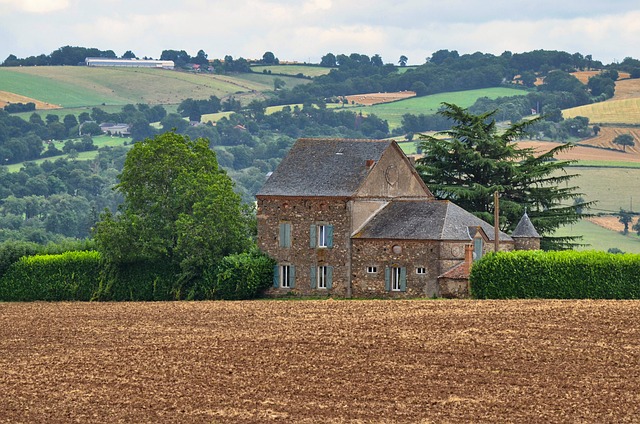
Food Plot Fertilizer: The Complete Guide to Feeding Your Deer Plots
Feed your soil the right way and your food plot will feed the deer all season long. Here is the plain-English playbook. 🌱
N-P-K made simple
Soil test first
Clover, brassicas & grains
2026 costs
The number one thing that decides how green and heavy your food plot grows is not the seed. It is the fertilizer and the soil under it. You can plant the best clover or brassica blend on the market, but if the soil is starved, your plot will come up thin, pale, and deer will walk right past it.
This guide walks you through
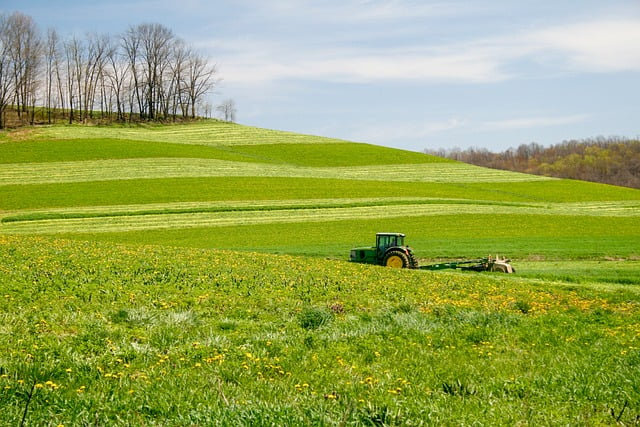
Why Fertilizer Matters for Food Plots
Think of your food plot like a buffet for deer. The plants are the food, but the soil is the kitchen. If the kitchen is out of key ingredients, the cooks can only make thin, weak meals. Fertilizer restocks that kitchen so your plants can grow fast, stay green, and pack in the protein and energy deer crave.
Wild deer are picky eaters. They seek out the most tender, nutrient-rich plants they can find. A well-fed plot grows lush leaves that taste better and hold more protein. That pulls deer in from surrounding cover and keeps them coming back through the season. A starved plot, by contrast, grows slow and bitter, and the deer simply move on to a neighbor’s greener field.
Fertilizer also helps your plot win the race against weeds. When your crop grows quickly and thick, it shades out crabgrass, pigweed, and other invaders before they take hold. A hungry plot leaves bare gaps that weeds love to fill.
There is a money angle too. Seed, fuel, and your weekend time all cost something. Skipping fertilizer to save twenty dollars often means a plot that half-fails and has to be replanted. That is the most expensive shortcut in the whole hobby. ✅ Feeding the soil is cheap insurance on everything else you already spent. If you are new to the whole process, start with our overview of food plots and then come back here to dial in the feeding plan.
The N-P-K Basics in Plain English
Every bag of fertilizer has three big numbers on the front, like 19-19-19 or 10-20-10. Those three numbers are called N-P-K. They tell you the percentage of the three main plant foods inside the bag. That is all. Once you know what each letter does, the whole aisle at the farm store makes sense.
Here is the simple version:
| Letter | Nutrient | What it does for your plot |
|---|---|---|
| N | Nitrogen | Builds green leaves and fast top growth. This is the protein maker deer love. Grains and brassicas are hungry for it. |
| P | Phosphorus | Grows strong roots and helps young plants get started. Key at planting time and for clover to establish. |
| K | Potassium | The health booster. Helps plants handle drought, cold, and stress, and stay standing through winter. |
So a bag of 19-19-19 has 19% nitrogen, 19% phosphorus, and 19% potassium. It is a balanced, all-purpose blend that works for most plots. A bag of 46-0-0 (urea) is almost pure nitrogen, used to green up grasses and grains fast.
A quick word on the numbers being percentages: a 50-pound bag of 19-19-19 holds about 9.5 pounds of each nutrient. The rest is filler that carries the nutrients and helps you spread them evenly. Do not pay extra for a bag just because it feels heavy. The three numbers are what count. 💡 When someone says a plot needs “more N,” they just mean more nitrogen for greener, leafier growth.
Why a Soil Test Comes First
Here is the honest truth that saves hunters the most money: you cannot know what fertilizer to buy until you test your soil. Guessing is how people waste hundreds of dollars spreading nutrients their dirt already has plenty of, while ignoring the one thing it truly lacks.
A soil test is cheap and easy. You dig a few small scoops from around the plot, mix them in a clean bucket, and either use a home kit or mail a sample to a lab. In one to two weeks you get a report that tells you your soil pH and exactly which nutrients are low. Then you buy only what you need. It is like getting a shopping list instead of blindly filling a cart.
The most important number on that report is pH, which measures how sour or sweet your soil is. Most food plot plants want a pH between 6.0 and 7.0. If your soil is too sour (acidic), the plant roots cannot absorb the fertilizer you spread, even when it is sitting right there. You would be pouring food on a locked door.
Test every one to two years, because soil changes. For a deeper walk-through of reading your report and pulling good samples, see our guide to food plot soil analysis. ⚠️ Do not skip this step. A twenty-dollar test can save a hundred-dollar mistake and a whole failed season.
Before you spend a dime on fertilizer, know your numbers. A simple soil test kit reads your pH and main nutrient levels in minutes, right at the truck.
- ✅ Tells you exactly what your soil is missing
- ✅ Stops you overspending on the wrong bag
- ✅ Easy enough for a first-timer to use
- ✅ Reusable for every plot you own
Lime vs Fertilizer: They Are Not the Same Job
New plotters often mix these two up, so let us clear it up. Fertilizer feeds the plant. Lime fixes the soil so the plant can eat. You often need both, and they do very different jobs.
Lime is ground-up limestone. Its job is to raise your soil pH, meaning it makes sour soil sweeter and unlocks nutrients that are stuck. If your soil test shows a low pH like 5.2, no amount of fertilizer will fix a weak plot. The roots simply cannot pull the food in until you sweeten the ground with lime.
Here is the catch that surprises people: lime works slowly. Standard ag lime can take six months to a year to fully change your pH. That is why smart plotters spread lime as early as possible, often the fall before a spring planting. If you are in a hurry, pelletized or “fast-acting” lime works quicker and spreads easily through a normal spreader, though it costs more per pound.
Fertilizer, on the other hand, works in days to weeks. You spread it at or near planting time so the fresh nutrients are there when the young plants need them most.
Lime is the long game and fertilizer is the short game. Spread lime early, spread fertilizer at planting, and let both do their separate work.
💡 A simple rule: if your pH is below about 6.0, deal with lime first or at the same time. Fertilizer poured onto sour soil is money left on the ground.
Choosing the Right Fertilizer for Clover, Brassicas, and Grains
Different crops are hungry for different things. Matching the blend to the crop is where good plotters separate themselves from the guessers. Here is the plain breakdown for the three most popular food plot families.
Clover and other legumes. Clover is special. It makes its own nitrogen out of the air using tiny helpers on its roots. So clover does not want much N. Feed it too much nitrogen and you just fuel the weeds that compete with it. Clover loves phosphorus and potassium instead. A blend like 0-20-20 or a low-nitrogen mix keeps clover thick and green for years.
Brassicas. These are the turnips, radishes, kale, and rape that deer hammer after the first frost. Brassicas are nitrogen hogs. They want plenty of N to grow those big leafy tops and fat bulbs. A balanced 19-19-19 at planting, sometimes with a second nitrogen shot a few weeks later, produces the giant plants that pull deer in cold weather.
Grains (oats, wheat, rye). Cereal grains also love nitrogen for lush green growth, though they are more forgiving than brassicas. A balanced blend or a nitrogen-forward blend like 19-19-19 or 46-0-0 as a booster keeps them growing fast and tender.
| Crop type | Good starting blend | Key note |
|---|---|---|
| Clover & legumes | 0-20-20 (low N) | Skip heavy nitrogen; it feeds weeds, not clover |
| Brassicas (turnips, radish) | 19-19-19 + N boost | Nitrogen hogs; feed again a few weeks after sprouting |
| Cereal grains (oats, rye, wheat) | 19-19-19 or urea boost | Loves N for fast, tender green growth |
| Mixed blends | Balanced 13-13-13 or 19-19-19 | Safe middle ground for beginner plots |
When in doubt, a balanced triple-nineteen (19-19-19) is the friendly all-rounder that keeps most plots happy. Always let your soil test fine-tune the exact amounts. For crop timing help, see planting food plots for deer.
If you want one bag that works across brassicas, grains, and mixed plots, a balanced triple-nineteen is the easiest choice for beginners. Even feeding, simple math, deer-friendly growth.
- ✅ Balanced feed for leaves, roots, and stress
- ✅ Simple to measure and spread evenly
- ✅ Great default when your test says “balanced”
- ✅ One bag covers most plot types
How Much and When to Apply
Your soil test gives the exact numbers, but here are safe, general starting points so you have a feel for it. Most food plots do well with roughly 200 to 300 pounds of a balanced fertilizer per acre at planting. That sounds like a lot until you remember an acre is about the size of a football field.
If you do not know your plot size, a rough guide is that a small quarter-acre plot needs about a 50-pound bag of balanced fertilizer to start. Round numbers are fine. You are feeding, not doing surgery.
Timing matters as much as amount. Spread your main fertilizer at or just before planting so the young plants find food waiting for them. This is called a starter application, and it is the single most valuable feeding of the year. Roots and seedlings that get a strong start almost always finish strong.
For hungry crops like brassicas and grains, a second feeding of nitrogen about three to five weeks after the plants come up gives a big second push. This top-dress feeding produces the huge leafy tops that deer pile onto in fall. Clover is different: give it a phosphorus and potassium feeding in spring or fall, but skip the nitrogen.
Try to spread fertilizer when rain is in the forecast within a few days. Rain melts the granules into the soil where roots can reach them. Fertilizer sitting on dry, hard ground just waits, and some nitrogen can drift off into the air before it ever helps a plant.
Application Methods That Actually Work
You have a few ways to get fertilizer onto the plot, from a twenty-dollar hand tool to a tractor rig. The good news is that even the cheapest method works fine for most hunters. What matters is spreading it evenly so you do not get green stripes and starved gaps.
Broadcast spreader (most popular). This is the classic push or hand-crank spreader that flings granules in a wide arc. It is cheap, simple, and perfect for small to medium plots. Walk at a steady pace, keep the pattern overlapping slightly, and you will get even coverage. A tow-behind version hooks to an ATV for bigger ground.
Hand spreading. For a tiny plot in the timber, you can literally toss granules by hand from a bucket. It is less even, but for a quarter-acre kill plot it works in a pinch. Wear a glove and swing in slow, wide arcs.
Tractor or ATV implements. If you run several acres, a three-point spreader or a drop spreader saves hours. This is overkill for one small plot but a lifesaver for big properties.
| Method | Best plot size | Cost |
|---|---|---|
| Hand spreading | Tiny kill plots | Free, uneven |
| Push/crank broadcast spreader | Quarter to a couple acres | Low, very popular |
| ATV tow-behind spreader | Several acres | Medium |
| Tractor implement | Large fields | High |
💡 Whatever you use, spread half your fertilizer walking north-south and the other half walking east-west. This crisscross pattern smooths out any gaps and gives you an even, uniform green plot.
Organic Fertilizer Options
Not everyone wants to spread synthetic bags, and that is fine. Organic fertilizers feed the soil more slowly and gently, and they build long-term soil health that keeps paying off year after year. They cost a bit more per pound and act slower, but many plotters swear by them for permanent clover plots.
Common organic choices include composted manure, which is one of the oldest and best soil builders around. A few pickup loads of aged manure spread across a plot add nutrients and rich organic matter that holds moisture through dry spells. Just make sure it is well composted so it does not bring in a fresh crop of weed seeds.
Other options include bagged organic blends made from things like feather meal, bone meal, and blood meal. Bone meal is a natural phosphorus source great for root growth. Blood meal is a strong natural nitrogen source. These break down over weeks and feed plants at a steady, gentle pace instead of one big hit.
Cover crops are the sneaky organic trick. Planting a legume like clover or peas actually pumps nitrogen back into your soil for free through those root helpers we talked about. Rotating a nitrogen-fixing crop through a plot cuts your future fertilizer bill and keeps the ground alive.
🌱 The trade-off is patience. Organic feeding is a slow, steady build rather than a fast green-up. If you have time and want healthier dirt for the long haul, it is a smart path. If you need a struggling plot fixed this month, a synthetic starter blend will act faster.
Common Mistakes to Avoid (and Easy Fixes)
Most food plot failures trace back to a handful of simple, avoidable errors. Dodge these and you are already ahead of most weekend plotters.
- ⚠️ Skipping the soil test. Fix: Test before you buy a single bag. It is the cheapest, highest-payoff step in the whole process.
- ⚠️ Ignoring pH and lime. Fix: If your pH is below 6.0, spread lime early. Fertilizer on sour soil is wasted money.
- ⚠️ Dumping nitrogen on clover. Fix: Clover makes its own N. Give it phosphorus and potassium instead, and let it feed the weeds no nitrogen.
- ⚠️ Fertilizing right before a dry spell. Fix: Spread when rain is coming within a few days so granules melt into the soil.
- ⚠️ Uneven spreading. Fix: Use the crisscross pattern and a steady walking pace to avoid green stripes and bare gaps.
- ⚠️ Over-applying to “make up” for lost time. Fix: Follow the rate on the bag and your soil test. Too much fertilizer can burn young plants and run off into water.
- ⚠️ Applying all at once for hungry crops. Fix: Split-feed brassicas and grains with a starter dose plus a later nitrogen shot.
Pro Tips From the Field
Once you have the basics down, these small habits from experienced plotters push a good plot to a great one.
- 💡 Spread lime the fall before a spring plot. It gives the slow-acting lime a full season to sweeten your soil before planting.
- 💡 Keep a plot journal. Write down what blend you spread, how much, and the date. Next year you will know exactly what worked and what did not.
- 💡 Watch the weather window. The best plotters wait for a rain forecast, spread the day before, and let nature water the fertilizer in for free.
- 💡 Do not over-lime. Sweetening soil above about 7.0 can lock up other nutrients. More is not always better follow the test.
- 💡 Feed clover plots in fall too. A phosphorus and potassium feeding going into winter helps clover survive the cold and bounce back thick in spring.
- 💡 Buy fertilizer in the off-season. Prices often dip after the spring rush. Store bags dry and sealed and they keep for years.
- 💡 Calibrate your spreader. Run a known amount over a measured strip so you know your real rate instead of guessing.
The plotters who consistently grow deer magnets are not the ones who spend the most. They are the ones who test, match the blend to the crop, and time it with the rain. For cold-season planning, our guide to winter food plots pairs perfectly with a smart fall feeding.
Food Plot Fertilizer Cost Breakdown
Let us talk real money. The good news is that feeding a food plot is one of the cheaper parts of the hobby, especially compared with the cost of seed, fuel, and your time. Here is a rough 2026 breakdown for a typical one-acre plot so you can budget with your eyes open.
| Item | Typical cost (per acre) | Notes |
|---|---|---|
| Soil test kit or lab test | $15 – $30 | One-time; covers multiple plots |
| Balanced fertilizer (200-300 lb) | $60 – $120 | Depends on blend and market prices |
| Lime (if pH is low) | $40 – $90 | Bulk ag lime is cheapest per ton |
| Second nitrogen feeding | $20 – $40 | Only for brassicas and grains |
| Broadcast spreader (one-time) | $25 – $150 | Reused for years across every plot |
All in, a first-year acre with lime might run $150 to $300, and every year after that drops to roughly $80 to $160 once the lime is done and you own the spreader. Split the lime across bulk delivery with a buddy and it gets cheaper still.
Compare that to replanting a failed plot: new seed, another tank of fuel, and a lost hunting season. ✅ Fertilizer is the cheapest insurance you can buy on the rest of your food plot budget. Spend a little on the soil and everything else you already paid for actually pays off.
Frequently Asked Questions
Can I plant a food plot without any fertilizer?
You can, but you usually should not. Some rare plots sit on rich, naturally fertile bottom ground and grow fine with little help. Most plots, though, are on tired or sandy soil that needs feeding. A soil test tells you which camp you are in. When in doubt, a starter feeding is cheap insurance on your seed.
What is the best all-around fertilizer for food plots?
A balanced 19-19-19 (triple nineteen) is the friendly all-purpose pick for brassicas, grains, and mixed plots. It feeds leaves, roots, and stress resistance evenly. Clover is the exception; it wants a low-nitrogen blend like 0-20-20. Always let your soil test fine-tune the exact amounts.
How often should I fertilize my food plot?
Feed once at planting for every plot. Hungry crops like brassicas and grains benefit from a second nitrogen feeding three to five weeks later. Perennial clover plots want a phosphorus and potassium feeding once or twice a year, in spring and again in fall.
Do I need lime, fertilizer, or both?
Often both, because they do different jobs. Lime raises soil pH so roots can absorb nutrients. Fertilizer supplies those nutrients. If your soil pH is below 6.0, spread lime early, then fertilize at planting. Your soil test shows exactly what each plot needs.
When is the best time to spread fertilizer?
Spread your main feeding at or just before planting, ideally when rain is in the forecast within a few days. The rain melts the granules into the soil where roots can reach them. For hungry crops, add a second nitrogen feeding a few weeks after the plants sprout.
Is organic fertilizer worth it for food plots?
Yes, if you have patience. Organic options like composted manure and bone meal feed slowly and build long-term soil health, which is great for permanent clover plots. They act slower and cost a bit more per pound, so for a struggling plot that needs a fast fix, a synthetic starter blend works quicker.
Your Food Plot Fertilizer Checklist
Print this, tape it to the shed wall, and run through it every planting season. Do these steps in order and your plot will come up green, thick, and full of the food deer cannot resist. 🌱
- ✅ Test your soil first pull samples and read pH plus nutrient levels.
- ✅ Fix pH with lime if the test is below 6.0, spread lime early, ideally the season before.
- ✅ Match the blend to the crop low N for clover, balanced for grains, N-rich for brassicas.
- ✅ Buy only what the test calls for no guessing, no wasted bags.
- ✅ Spread at planting get the starter feeding down when seeds go in.
- ✅ Spread evenly use the crisscross pattern and a calibrated spreader.
- ✅ Time it with rain spread a day or two before a forecast shower.
- ✅ Feed hungry crops again add a nitrogen shot to brassicas and grains a few weeks later.
- ✅ Keep notes log what you spread so next year is even easier.
Feeding your food plot is not complicated once you break it into steps. Test the soil, sweeten it with lime if needed, match the fertilizer to your crop, and time it with the rain. Do that and you will grow a plot so green and rich the deer choose your ground over every field around it. Good luck, and shoot straight. 🌱