Whitetail Deer Behavior: Bedding, Rut and Movement Secrets (2026)
As an Amazon Associate, Deer Hunting Success may earn from qualifying purchases.
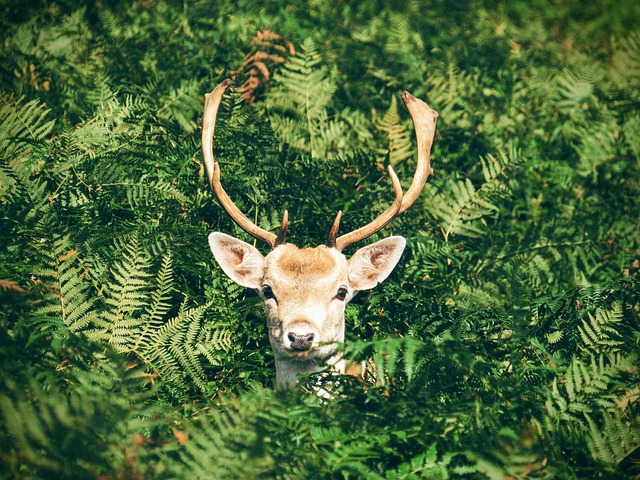
Whitetail Deer Behavior: Bedding, Rut and Movement Secrets (2026)
Learn how whitetails bed, feed, and travel through every phase of the season, and how to turn those habits into filled tags.
🦌 Deer Behavior🌲 Bedding and Feeding❤️ Rut Timing🎯 Hunt Smarter
The best deer hunters are not lucky, they understand deer. When you know why a whitetail beds on a certain ridge, when it feeds, and how the rut flips its world upside down, you stop guessing and start
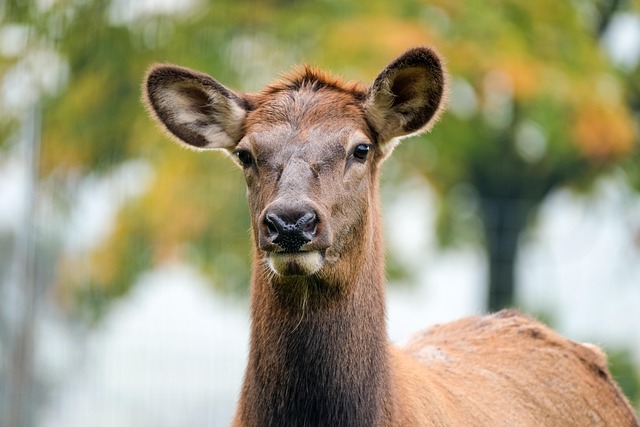
Use it now: Never hunt inside a bedding area early in the season, you will burn it out. Instead, set up on the downwind edge of the trails that leave it, and let deer come to you.
Feeding Patterns Through the Seasons
Deer are browsers with a four-chambered stomach, so they feed in bouts and then bed down to chew their cud. What they crave changes with the calendar, and following that shift keeps you on active deer.
In early fall, whitetails hammer soft and hard mast: acorns, apples, persimmons, and green fields. White oak acorns are candy to them and can pull deer off everything else the moment they drop. As temperatures fall, deer switch to high-energy carbs like standing corn, soybeans, and brassica food plots to pack on fat for winter.
By late season, survival takes over. Deer bunch up on the best remaining food and browse woody twigs when nothing else is left. A standing bean field or a lush brassica plot in December can become the only game in town.
| Season | Top Foods | Feeding Window |
|---|---|---|
| Early Season | Acorns, apples, green fields, browse | Late evening, near bed |
| Pre-Rut | Corn, soybeans, brassicas, mast | Evening, some midday |
| Rut | Quick feeding between chasing does | All day, unpredictable |
| Late Season | Standing beans, brassicas, woody browse | Afternoon into dark |
Use it now: Hunt the food that is hot this week, not last month. A well-placed plot keeps deer close, so it pays to learn about winter food plots that hold deer when it counts.
Daily Movement: The Dawn and Dusk Rhythm
Whitetails are crepuscular, meaning they move most at dawn and dusk. Their eyes gather light beautifully in low light, giving them an edge over predators at the edges of the day. That is why the first and last hour of legal light are prime time.
Between bed and food, deer travel set corridors: trails through saddles, along creek bottoms, inside cover edges, and around field corners. Where two or more of these funnel together, you get a pinch point, and pinch points are ambush gold. Deer take the path of least resistance and least exposure, so terrain quietly steers them right past a well-placed stand.
Wind shapes the timing too. A buck will often wait to travel until the wind lets him smell his destination before he ever sees it. Cold, high-pressure mornings after a front push deer to move earlier and longer. Warm, still evenings can shut daylight movement down to almost nothing.
A cellular trail camera reads deer movement for you, sending photos to your phone so you learn travel times without spooking a single deer.
- ✅ See movement times without ever entering the woods
- ✅ No-glow flash keeps cautious bucks relaxed at night
- ✅ Instant alerts help you pick the right day to sit
- ✅ Solar option means fewer battery swaps and less pressure
Price and availability on Amazon.com. This site may earn a commission.
Use it now: Match your stand to the wind and the current food, then let cameras confirm which trail runs hot before you commit.
The Rut: Phases, Timing, and What to Do
The rut is the breeding season, and it turns careful, nocturnal bucks into reckless wanderers. In most of the country the peak lands in early to mid November, though it varies by region and latitude. Understanding the phases tells you exactly how to hunt each week.
| Phase | Rough Timing | Buck Behavior | Best Tactic |
|---|---|---|---|
| Pre-Rut | Late Oct | Rubs, scrapes, testing does | Hunt scrape lines and food edges |
| Seeking | Early Nov | Cruising for the first hot doe | Sit funnels and doe bedding downwind |
| Chasing | Early to mid Nov | Hard chasing, all-day movement | All-day sits, calling and rattling |
| Lockdown | Mid Nov | Bucks locked with does, hidden | Hunt fringe cover and doe groups |
| Post-Rut | Late Nov | Tired bucks refeeding | Hunt food hard, second rut chances |
During the seeking and chasing phases, mature bucks may move at any hour, which is why die-hards sit dawn to dark in November. This is also the best window for rattling antlers and grunt calls, since a fired-up buck will come looking for a fight or a rival near a doe.
Use it now: Track your local peak from past seasons and plan your best days off around the seeking-to-chasing window. That is when a giant is most likely to make a daylight mistake.
Early, Rut, and Late Season Behavior
Deer behavior is not one thing, it is three very different games stitched across the fall. Hunting the same way all season is a fast track to frustration.
Early season deer are on a tight bed-to-food pattern. They are relaxed, predictable, and vulnerable if you slip in and out clean. Rut throws the pattern away as bucks chase does across the map at all hours. Late season swings back to food and survival, with cold, hungry deer piling onto the best remaining groceries.
| Factor | Early Season | Rut | Late Season |
|---|---|---|---|
| Buck focus | Food and rest | Finding does | Calories and warmth |
| Movement | Dawn and dusk | All day | Afternoon into dark |
| Best setup | Bed-to-food trail | Funnels and pinch points | Best food source |
| Pressure risk | High, deer patternable | Lower, deer distracted | Very high, deer edgy |
Use it now: Change your tactics with the calendar. Early and late season reward playing the food, while the rut rewards playing the travel between doe bedding areas.
Weather, Wind, and the Moon
Weather is the throttle on deer movement, and reading it well puts you in the stand on the right days. The biggest mover of all is a cold front. When a sharp drop in temperature follows a passing front, deer often get up and feed hard in daylight, especially in the first clear, crisp morning after.
Wind is trickier. A light breeze relaxes deer and lets them travel with confidence. But a hard, gusty wind can make them nervous and slow to move, since it scrambles their nose and ears. Every deer and property is different, so it pays to understand how much wind is too much for deer hunting before you write off a windy day.
Rain matters too. Light rain rarely stops movement and can even trigger feeding once it eases. A heavy downpour usually pins deer down until it passes, then movement can explode. The moon plays a supporting role, nudging the timing of movement more than the amount.
Hunt the change, not the calendar. A cold front dropping into your area will beat a picture-perfect date on the wrong weather every single time.
Use it now: Watch the forecast for a temperature drop and clearing skies, then be in the tree at first light. For the moon, see our take on the moon phase for deer hunting.
Bucks vs. Does: Reading the Differences
Bucks and does live by different rules for most of the year, and knowing which you are watching changes how you hunt. Outside the rut, the two rarely mix. Does travel in family groups led by an older matriarch, while bucks form loose bachelor groups through summer and early fall.
Does are the key to the rut. Where the does are, the bucks will follow once breeding fires up. That is why savvy hunters find the doe bedding and feeding areas first, then hunt the downwind edges during the seeking and chasing phases.
| Trait | Does | Mature Bucks |
|---|---|---|
| Grouping | Family groups | Loners or small bachelor groups |
| Bedding | Near food, moderate cover | Thickest, hardest-to-reach cover |
| Daytime movement | Fairly predictable | Cautious until the rut |
| Rut role | Draw the bucks in | Cruise and chase does |
Use it now: Early and late, target the does and their food. During the rut, hunt the fringes of doe bedding, because that is the highway every cruising buck checks.
Turn Behavior Into a Real Hunt Plan
Knowledge only counts when it moves you to the right tree. A simple plan turns everything above into action. Start with an aerial map and mark three things: known food, likely bedding, and the trails between. Then overlay the wind for the day and pick a stand that keeps your scent blowing away from both bedding and the deer’s approach.
Good optics pull the plan together. Glassing fields at dawn and dusk tells you where deer enter, which trails they use, and whether that shooter is still on his feet, all without pressuring a thing.
A crisp pair of 10×42 binoculars lets you scout from a distance and confirm deer movement long before you ever climb into a stand.
- ✅ Bright, sharp glass for low-light dawn and dusk glassing
- ✅ 10x reach picks apart antlers at long distance
- ✅ Waterproof and fog proof for any weather
- ✅ Lightweight enough to carry on every hunt
Price and availability on Amazon.com. This site may earn a commission.
| Tool | What It Does | Typical Cost |
|---|---|---|
| Aerial map app | Spot food, bedding, terrain | Free to 30 dollars a year |
| Cellular trail camera | Track movement remotely | 90 to 200 dollars |
| 10×42 binoculars | Glass and confirm deer | 80 to 300 dollars |
| Wind checker or powder | Read wind at the stand | 5 to 12 dollars |
Use it now: Map, wind, stand, glass, in that order. Do it the same way every hunt and your success rate climbs.
Common Mistakes and How to Fix Them
Most blown hunts come from a handful of repeatable errors. Fix these and you will fool far more deer.
- Mistake: Ignoring the wind because the spot looks perfect. Fix: Let the wind pick your stand, not the view. A great tree on a bad wind is a dead tree.
- Mistake: Hunting bedding areas too early and too often. Fix: Hunt the edges and travel routes, and save the bedding for a one-time rut strike.
- Mistake: Sitting the same food source after it goes cold. Fix: Scout weekly and follow the food that is actually being hit right now.
- Mistake: Moving too much and too loudly on the way in. Fix: Slip in slow, quiet, and early, using cover and terrain to hide your approach.
- Mistake: Giving up on windy or rainy days. Fix: Learn how each condition moves deer and use quiet weather to slip closer to bedding.
- Mistake: Over-hunting one stand until deer pattern you. Fix: Rotate stands so no single setup gets pressured and predictable.
Pro Tips and Frequently Asked Questions
Pro Tips From the Field
- ✅ Check the wind the moment you leave the truck, not just at the stand.
- ✅ Enter and exit without crossing bedding or feeding areas, even if it means a longer walk.
- ✅ Keep a hunt journal of weather, date, and sightings, and patterns will jump off the page.
- 💡 During the rut, sit all day when you can, because a giant can appear at high noon.
- 💡 Hunt the first clear morning after a cold front whenever your schedule allows.
- ⚠️ When two winds are possible, choose the stand that fails safest if the wind swings.
Does deer behavior really change during the rut?
Yes, dramatically. Bucks that moved only at night suddenly cruise in daylight, chase does, and cover big ground. It is the best window of the year to catch a mature buck on his feet.
What time of day are whitetails most active?
Dawn and dusk for most of the season, since deer are built for low light. During the rut that window widens, and midday movement becomes common.
How far can a deer smell me?
Under the right conditions, a whitetail can smell a human several hundred yards downwind. That is why playing the wind matters more than any camo or cover scent.
Do cold fronts really improve deer movement?
Often, yes. A sharp temperature drop after a front tends to trigger heavier daylight feeding, especially on the first clear morning that follows.
Should I hunt bedding areas directly?
Rarely, and only as a calculated strike during the rut. Most of the season you should hunt the downwind edges and travel routes instead to avoid burning the spot.
Does the moon phase affect the rut timing?
The moon nudges the timing of daily movement more than it changes the peak breeding dates. Photoperiod, the shortening daylight, is the main trigger for the rut.
- ✅ Map food, bedding, and the trails between them
- ✅ Play the wind before you ever pick a stand
- ✅ Match your tactics to the season and rut phase
- ✅ Hunt the first clear morning after a cold front
- ✅ Target does and food early and late, funnels during the rut
- ✅ Enter and exit clean, and rotate your stands
Whitetail deer are readable if you slow down and pay attention. Learn how they use their nose, where they bed, what they eat, and how the rut rewires everything, and the woods stop feeling random. Put these patterns to work, trust what the deer are telling you, and this could be the season you finally close the deal. Good luck out there. 🦌🎯