Summer Food Plots for Deer: High-Protein Crops That Win (2026)
As an Amazon Associate, Deer Hunting Success may earn from qualifying purchases.

Summer Food Plots for Deer: High-Protein Crops That Win (2026)
Grow soybeans and clover that feed does, fawns, and bucks when they need it most.
🌱 High-Protein🦌 Antler Growth☀️ Summer Ready✅ Beginner Friendly
Summer food plots are the secret to healthier deer and bigger antlers. When you plant high-protein crops like
What Deer Need in Summer
To plant the right crop, it helps to know what a deer’s body is doing in summer. Three big jobs drain their energy: making milk for fawns, growing antlers, and recovering from a hard winter. All three run on protein.
Protein is the star
Most native summer plants offer only 8 to 12 percent protein once they mature. Deer do best with 16 percent or more during the growing season. High-protein crops like soybeans can hit 25 to 30 percent protein in their leaves. That is a huge upgrade that shows up in bigger bodies and better antlers.
Minerals and water matter too
Antlers also need calcium and phosphorus. Clover and soybeans pull these minerals up from the soil and pass them to the deer. Leafy green plots hold moisture, which helps deer stay hydrated during hot, dry spells. A plot near a creek or a low, damp spot stays greener longer and draws more traffic.
Think of your summer plot as a daily vitamin for the herd. It will not replace every natural food, but it tops off the tank with the exact nutrients deer are short on. That steady boost is what grows healthier deer over several seasons.
Soybeans: The Summer Protein Powerhouse
Soybeans are one of the best summer crops you can plant for deer. Young soybean leaves are packed with protein, often 25 percent or more. Deer love the taste, and a healthy field can feed a herd from early summer right up to the first hard frost.
There are two main ways deer use soybeans. In summer, they eat the green leaves. Later in fall and winter, the plants dry down and the pods fill with high-energy beans. That gives you two food sources from one planting, which is a rare and very useful trait.
Watch out for overbrowsing
Soybeans have one weakness: deer can eat them to the ground before they ever grow tall. This is called overbrowsing. If your plot is small, say under an acre, a hungry herd may wipe it out in weeks. The fix is to plant a bigger area or protect young plants until they get tall and tough. ⚠️
For most hunters, a forage soybean blend works best because these plants keep making leaves after being nibbled. Look for a variety bred for grazing rather than farm harvest. Combine soybeans with a fall planting for steady food, and read our guide on planting food plots for deer to nail your timing and seed rate.
Clover: The Dependable Green
If soybeans are the sprinter, clover is the marathon runner. Clover is a perennial, which means it comes back year after year from the same roots. Plant it once, care for it well, and a good clover plot can feed deer for three to five years. 🌱
Why deer love clover
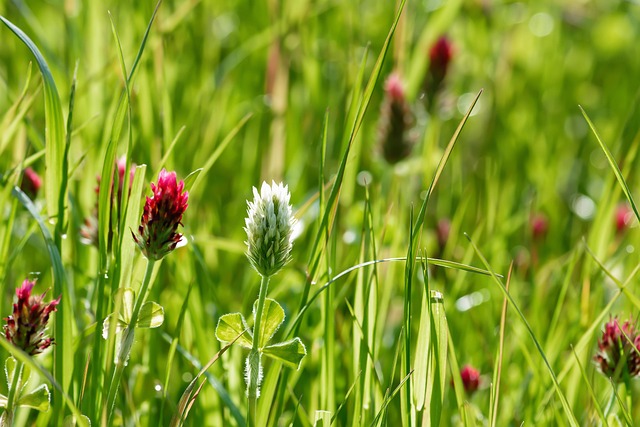
Clover stays green and tender through most of the summer. Its leaves carry 15 to 25 percent protein, and deer graze it heavily. Because it grows low and thick, it also chokes out many weeds and holds the soil in place. White clover, red clover, and ladino clover are the most common picks for deer plots.
Easy to grow and forgiving
Clover handles light shade, spotty rain, and hungry deer better than most crops. As a legume, it even makes its own nitrogen, so it needs less fertilizer than grasses. That makes it a smart first crop for new food plotters who want a strong result without a lot of gear.
The trade-off is that clover needs mowing and a little weed control to stay thick. Let it grow too tall and it turns stemmy and less tasty. Keep it clipped and it stays lush. A mix of clover and chicory is a popular, low-effort blend that deer visit almost every day.
A quality clover blend is the easiest way to start feeding deer high-protein greens. Look for a coated, perennial mix that establishes fast and comes back for several seasons.
- ✅ High-protein greens deer graze daily
- ✅ Comes back year after year
- ✅ Makes its own nitrogen, needs less fertilizer
- ✅ Great for small or oddly shaped plots
Price and availability on Amazon.com. This site may earn a commission.
Best High-Protein Summer Crops Compared
Soybeans and clover get most of the attention, but a few other crops earn a spot in summer plots. The table below compares the top choices so you can match a crop to your land, budget, and goals.
| Crop | Protein | Type | Best For | Effort |
|---|---|---|---|---|
| Soybeans | 25-30% | Annual | Big fields, fall energy | Medium |
| Ladino Clover | 20-28% | Perennial | Long-term green plots | Low |
| Red Clover | 15-22% | Short perennial | Quick, thick cover | Low |
| Cowpeas | 20-25% | Annual | Dry, sandy soil | Medium |
| Alfalfa | 18-24% | Perennial | Rich, well-drained soil | High |
| Chicory | 20-32% | Perennial | Drought-tough greens | Low |
There is no single best crop for every property. Sandy, dry ground favors clover, cowpeas, and chicory. Rich, larger fields can support soybeans. Many hunters plant a blend to cover more of the season and spread out the risk if one crop struggles. Browse a wider list of options in our roundup of seeds for food plots.
Test and Prepare Your Soil
Great food plots start below the ground. Before you buy a single bag of seed, test your soil. A soil test tells you the pH and which nutrients your dirt is missing. It costs only a few dollars and saves you from wasting money on seed that will never thrive.
Fix your pH first
Most deer crops want a pH between 6.0 and 7.0. If your soil is too acidic, the plants cannot use the fertilizer you add. The fix is lime, which raises pH over a few months. Spread it early so it has time to work. Our food plot soil analysis guide breaks down how to read your test results.
Feed the soil the right way
Once pH is right, add fertilizer based on the test. Legumes like clover and soybeans make their own nitrogen, so they mostly need phosphorus and potassium. Do not guess and dump on a bag of triple-13; you may waste money or even hurt the plot. Learn the details in our food plot fertilizer guide.
Finally, clear the seedbed. Kill existing weeds, then work the top inch or two of soil so seeds make good contact with dirt. A firm, smooth seedbed helps small seeds sprout evenly and gives young plants a strong start.
How to Plant Summer Food Plots, Step by Step
Planting a summer plot is easier than most people think. You can do it with hand tools on a small plot or basic equipment on a bigger one. Follow these steps in order for the best odds of a thick, green stand.
First, plant at the right time. In most areas, warm-season crops go in from late April through June, once the soil is warm and frost has passed. Cool-season clover can also be planted in early spring or late summer.
- Test soil and add lime early, ideally two to three months ahead.
- Kill weeds and lightly work the seedbed until it is smooth.
- Spread fertilizer based on your soil test results.
- Broadcast or drill seed at the rate printed on the bag.
- Press small seeds like clover into the surface; do not bury them deep.
- Plant just before a rain if you can, then let nature water it in.
Seed depth is the step most beginners get wrong. Tiny clover seed needs only light contact with the soil, while larger soybean seed goes about an inch deep. When in doubt, plant shallower rather than deeper. A cheap broadcast spreader makes even coverage simple, even on a small plot.
Even seed coverage is the key to a thick stand, and a simple broadcast spreader makes it easy on plots of any size. This budget-friendly tool spreads clover, soybeans, and blends without clumping.
- ✅ Spreads seed evenly for a fuller plot
- ✅ Simple hand crank works anywhere
- ✅ Adjustable flow for tiny or large seed
- ✅ Cleans up fast and stores small
Price and availability on Amazon.com. This site may earn a commission.
Summer Maintenance That Keeps Plots Thick
Planting is only half the job. Summer heat, weeds, and grazing all work against your plot. A few simple habits keep it green and productive from June through the first cool nights of fall.
Mow and control weeds
Clover and other perennials love a haircut. Mowing every three to five weeks keeps weeds from going to seed and pushes the clover to grow fresh, tender leaves. Never scalp it; cut to about four to six inches so the plants recover fast.
Watch moisture and pests
During dry spells, plots near low ground or water hold up best. If armyworms or grasshoppers move in, they can strip a plot fast, so scout weekly and treat trouble early. A quick walk-through once a week tells you almost everything you need to know.
Keep notes on what deer hit hardest and when. Those patterns are gold when you plan stand sites. If a plot gets grazed to nothing, it may be too small for your herd, which brings us to the next step. Steady, light care beats one big rescue effort every time. 💡
Protect Young Plots From Overbrowsing
A brand-new plot is fragile. Deer can find fresh soybeans within days and eat every sprout before the plants get established. If that happens, your time and money vanish. Protecting young plots is often the difference between success and failure.
Size and fencing
The simplest fix is to plant enough acres. A plot of two acres or more can usually outgrow the grazing pressure. When land is tight, a temporary electric fence or a poly mesh fence keeps deer out for the first few weeks while plants grow tall and tough.
Blends and timing
Another trick is to mix a fast, tough crop with soybeans so deer have something else to nibble. Planting a slightly larger area than you think you need also spreads the pressure. Once soybeans reach knee height, they can handle steady grazing and bounce right back.
Clover is more forgiving here because it grows low and regrows quickly after being eaten. That is one reason many first-time plotters start with clover, then add soybeans once they have more ground to work with. Match the crop to the herd size on your land and you will avoid most heartbreak.
Soybeans vs Clover: Which Should You Plant?
Many hunters ask whether to plant soybeans or clover. The honest answer is that both are excellent, and the best pick depends on your land, budget, and how much work you want to do. This side-by-side makes the choice clear.
| Feature | Soybeans | Clover |
|---|---|---|
| Plant type | Annual, replant yearly | Perennial, 3 to 5 years |
| Protein | 25-30% | 15-25% |
| Best plot size | Larger, 2 or more acres | Any size |
| Overbrowse risk | High when young | Low, regrows fast |
| Upkeep | Replant each year | Mow and light spray |
| Bonus | Fall beans for energy | Cheap and long-lasting |
If you have small acreage or want a plant-once-and-relax option, start with clover. If you have room and want a summer-to-winter food source, soybeans are hard to beat. Plenty of properties run both, using clover as a reliable base and soybeans as a high-protein showpiece.
What Summer Food Plots Cost
You do not need deep pockets to plant a great summer plot. Costs depend on your soil, seed choice, and whether you rent or borrow equipment. Here is a rough per-acre budget so you can plan before you spend.
| Item | Low Cost | Typical | Notes |
|---|---|---|---|
| Soil test | $8 | $15 | Once per plot, saves money later |
| Lime | $25 | $50 | Only if pH is low |
| Seed | $20 | $60 | Clover cheaper; soybeans mid-range |
| Fertilizer | $15 | $45 | Based on your soil test |
| Spreader | $20 | $40 | One-time buy, reusable for years |
All in, a small clover plot can cost as little as fifty to a hundred dollars per acre in the first year, and less after that since clover comes back on its own. Soybeans cost a bit more because you replant each year. Either way, the price per pound of high-quality deer feed is very low compared with bagged supplements.
Common Mistakes to Avoid
Most food plot failures come from a handful of avoidable errors. Learn from these so your first summer plot thrives instead of fizzling out.
- Mistake: Skipping the soil test. Fix: Always test first; it is cheap and tells you exactly what to add.
- Mistake: Planting seed too deep. Fix: Press small seeds into the surface and plant soybeans about an inch down.
- Mistake: Making the plot too small for the herd. Fix: Plant more acres or fence young soybeans until they are tall.
- Mistake: Ignoring pH and dumping on fertilizer. Fix: Fix pH with lime first, then feed based on the test.
- Mistake: Letting clover grow tall and stemmy. Fix: Mow every few weeks to keep leaves tender and weeds down.
- Mistake: Planting during a dry spell. Fix: Time planting just before a rain so seeds sprout evenly.
Pro Tips, Key Insight, and FAQ
Once you have the basics down, these field-tested tips help you get even more out of every plot.
- ✅ Plant a blend of clover and chicory for season-long green with low effort.
- 💡 Add a strip of soybeans next to clover so deer get both energy and steady greens.
- ✅ Keep a simple logbook of planting dates, rain, and deer use to improve each year.
- ⚠️ Scout for armyworms weekly during hot weather; they can wipe out a plot fast.
- ✅ Leave a buffer of tall cover on the plot edge so deer feel safe feeding by day.
The best summer food plot is not the biggest or the fanciest. It is the one you actually test, plant on time, and take care of all season long.
Small, steady effort beats a rushed, oversized project. If you master one good clover or soybean plot this year, you will have the skills to expand next season with confidence.
When should I plant summer food plots?
Warm-season crops like soybeans go in from late April through June, once the soil is warm and frost has passed. Clover can be planted in early spring or late summer for a strong stand.
Are soybeans or clover better for beginners?
Clover is the easier choice for beginners. It is forgiving, comes back for years, and handles grazing well. Add soybeans later when you have more ground to work with.
How big should a summer food plot be?
Even a quarter-acre clover plot helps, but soybeans need more room. If you plant soybeans, aim for at least one to two acres so deer do not eat them to the ground.
Do I really need a soil test?
Yes. A soil test is the cheapest, smartest step you can take. It tells you the pH and nutrients your soil needs so you do not waste money on seed and fertilizer.
Will deer use a plot right away?
Often within days, especially with soybeans. That is why protecting young plants matters. Give them time to grow tall and tough before heavy grazing begins.
How long does a clover plot last?
A well-kept clover plot can produce for three to five years. Regular mowing and light weed control are the keys to keeping it thick and productive.
- ✅ Test your soil and fix pH with lime early.
- ✅ Pick clover for small plots, soybeans for larger ones.
- ✅ Prepare a firm, smooth, weed-free seedbed.
- ✅ Plant at the right depth just before a rain.
- ✅ Mow clover and scout for pests every few weeks.
- ✅ Protect young soybeans from overbrowsing.
You now have everything you need to grow a summer food plot that feeds your herd and sets up a great fall. Start small, follow the steps, and watch your deer get healthier season after season. Good luck, and enjoy the reward of homegrown groceries for your whitetails. 🦌🌱