Rattling Antlers for Deer: When and How to Rattle Bucks (2026)
As an Amazon Associate, Deer Hunting Success may earn from qualifying purchases.
Rattling Antlers for Deer: When and How to Rattle Bucks (2026)
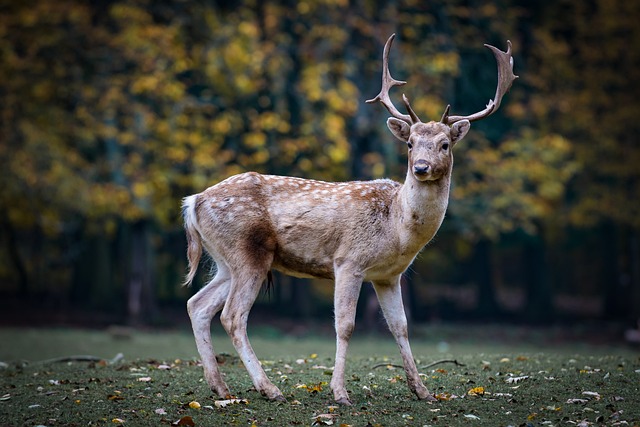
Crash two antlers together the right way and you can pull a rutting buck out of thick cover and into bow range.
🦌 Rut Tactics
🌬️ Wind Smart
🔔 Call Pairing
✅ Stand Safety
Rattling antlers is one of the most exciting ways to bring a buck into range. When you clash two antlers together, you copy the sound of two bucks fighting over a doe. A curious, jealous, or territorial buck may charge in to break up the fight, and sometimes he shows up in seconds. Done right, rattling can turn a slow, quiet morning into the most heart-pounding hunt of your season.
But rattling only works when your
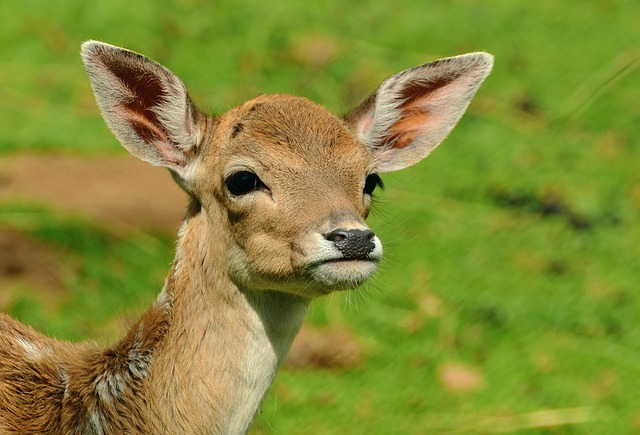
Finally, stay still and quiet between sequences. A great setup fails if a buck catches movement or the flash of your face. Blend in, stay low, and let the location do its job. 🌲
Tree Stand Safety While You Rattle
Rattling makes you move a lot. You are swinging antlers, twisting your body, raking branches, and reaching for your bow, all while standing on a small platform many feet off the ground. That is exactly when accidents happen, so safety cannot be an afterthought.
Always wear a full-body harness and stay connected to the tree from the moment your feet leave the ground until you are back down. A quality tree stand harness plus a lifeline lets you rattle, turn, and shoot without ever being unclipped. Most tree stand falls happen while climbing in, climbing out, or moving around, which is precisely what rattling makes you do.
Keep three points of contact when you climb, use a haul line to raise your bow and antlers, and never rattle with a weapon dangling loose. Tell someone where you are hunting and when you will be back. Run through a simple tree stand safety checklist every time, because the excitement of a buck charging in is exactly when hunters get careless. No buck is worth a fall. Get down safe every single time and you will hunt for many more seasons. 🧗
Common Rattling Mistakes and Easy Fixes
Most rattling failures come from a handful of repeat errors. Fix these and your success rate climbs fast.
- Mistake: Rattling too often. Fix: Real fights are rare. Rattle for one to two minutes, then wait a full 20 to 30 minutes before the next sequence.
- Mistake: Ignoring the wind. Fix: Set up so the downwind side is blocked by a field, water, or thick cover, and always keep your scent out of the likely approach.
- Mistake: Rattling at the wrong time of year. Fix: Go soft early, aggressive during the rut, and light again post-rut. Let scrape activity guide you.
- Mistake: Starting too loud. Fix: Begin with a light tickle in case a buck is already close, then build to a full fight.
- Mistake: Watching the wrong direction. Fix: Face the downwind and cover side, because that is where most bucks appear after you stop.
- Mistake: Moving too much after rattling. Fix: Set the antlers down, grab your weapon, and freeze. Let your eyes do the searching, not your body.
- Mistake: Giving up too soon. Fix: Stay on stand at least 30 minutes after a sequence. Cautious bucks often circle in slowly and late.
None of these fixes cost money or fancy gear. They come down to patience and discipline, which are free and available to every hunter. ⚠️
Gear That Makes Rattling Easier
You do not need much to start rattling, but a few good pieces make the job easier and more convincing. Below are two editor picks plus a quick cost guide so you know what to expect before you shop.
A durable synthetic antler set gives you real-antler sound without the weight, smell, or fragility of natural bone. It is the most versatile choice for stand and blind hunters who want full control over volume and grind.
- ✅ Loud, crisp tone that carries through timber
- ✅ Weatherproof and will not crack in the cold
- ✅ Full control over light or aggressive sequences
- ✅ Strap keeps antlers quiet and handy on the walk in
Price and availability on Amazon.com. This site may earn a commission.
Pair your antlers with a quality grunt call to add the deep vocal sounds of two bucks fighting. A tunable grunt tube lets you go from soft tending grunts to a sharp snort-wheeze that seals the deal on hung-up bucks.
- ✅ Adds realism when you pair calls with rattling
- ✅ Reaches bucks that cannot see the source
- ✅ One tube covers grunts and snort-wheeze
- ✅ Freeze-resistant reed works on cold mornings
Price and availability on Amazon.com. This site may earn a commission.
Quick cost guide
| Item | Typical Price Range | Why It Helps |
|---|---|---|
| Synthetic rattling antlers | 20 to 40 USD | Realistic sound, light and durable |
| Rattle bag | 15 to 30 USD | Packs flat for run-and-gun hunts |
| Grunt call | 15 to 35 USD | Adds vocal realism to your sequence |
| Full-body harness | 60 to 150 USD | Keeps you safe while you move and shoot |
Start simple. A synthetic antler set and a grunt call will cover almost every situation, and a good harness is money you should never skip. Add a rattle bag later if you start hunting on the move. 💡
Pro Tips and a Key Insight
Once you have the basics down, these small habits separate hunters who fill tags from hunters who just make noise.
- ✅ Rattle from the ground or a stand near thick cover so a shy buck feels safe closing the distance.
- ✅ Keep your first sequence of the morning light, then build volume through the sit as light grows.
- ✅ Rake a real branch or the tree bark for extra realism; the grinding sound sells the fight.
- ✅ Watch for a buck that hangs up at 60 yards, then hit a single snort-wheeze to challenge him.
- ✅ Carry a small mesh bag or box for run-and-gun sits when full antlers are too bulky.
- ✅ After you stop rattling, stay statue-still for at least half an hour and keep your eyes on the downwind side.
- ✅ Note which setups produce responses and repeat them; deer patterns rhyme year to year.
The best rattlers are not the loudest. They are the most patient. Sell the fight in two minutes, then let 30 minutes of silence do the real work.
Discipline beats volume every time. If you can force yourself to sit quiet and watchful after each sequence, you will see bucks that other hunters rattle right past. 🦌
Frequently Asked Questions
How often should I rattle on a single sit?
Rattle a full sequence of one to two minutes, then wait 20 to 30 minutes before the next one. Two or three good sequences per sit is plenty. Rattling every few minutes sounds fake and does more harm than good.
Can rattling work on public land with pressured deer?
Yes, but keep it more subtle. Pressured bucks have heard a lot of bad rattling, so start light and read the response. Getting well off the road into cover other hunters skip will improve your odds a great deal.
Will rattling spook does and young deer?
Sometimes a doe or young deer will spook or stare, but that is normal and not a problem. Those deer often relax and go back to feeding. The point is to reach mature bucks, and a curious young buck coming to look is a good sign.
What if a buck hangs up out of range?
First, go quiet and let him work. If he stays hung up and will not commit, a single soft grunt or one snort-wheeze can trigger a dominant buck to close the gap. Avoid rattling loudly again once a buck is already close.
Do I need real antlers, or will synthetic work?
Synthetic antlers work great and are lighter, quieter to carry, and more durable in cold weather. Real antlers sound slightly more authentic but are heavier and noisier on the walk in. For most hunters, a good synthetic set is the smarter choice.
Is rattling safe from a tree stand?
It is, as long as you stay clipped into a full-body harness the entire time. Because rattling makes you twist and reach, a harness and lifeline are essential. Never rattle while unclipped or while your weapon is dangling loose.
- ✅ Rattle hardest during the pre-rut and rut peak.
- ✅ Hunt the first three hours of light and rut middays.
- ✅ Start soft, build to a full fight, then go silent.
- ✅ Pair rattling with tending grunts and a snort-wheeze.
- ✅ Set up so the downwind side is blocked or open.
- ✅ Wait 20 to 30 minutes between sequences.
- ✅ Stay clipped into your harness the whole hunt.
- ✅ Freeze and watch after every sequence.
Rattling antlers is one of the most thrilling ways to hunt whitetails, and it rewards hunters who stay patient and play the wind. Start with the simple sequences above, keep your setup honest, and clip into your harness every single time. Do that, and one cold November morning a mature buck may come crashing in to a fight that only exists in your hands. Good luck, hunt safe, and enjoy the moment. 🦌✅