How to Hunt a Trophy Buck: Mature Buck Tactics That Work (2026)
As an Amazon Associate, Deer Hunting Success may earn from qualifying purchases.
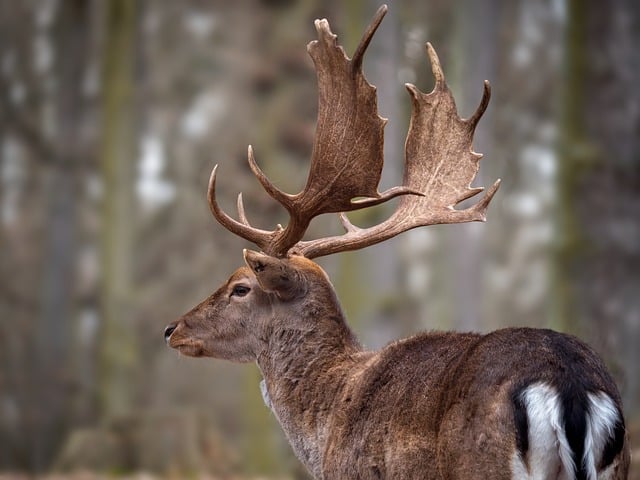
How to Hunt a Trophy Buck: Mature Buck Tactics That Work (2026)
Scout smart, hunt the wind, and stay patient. Here is the low-pressure game plan that turns close calls into filled tags.
🦌 Mature Bucks🌬️ Wind First📸 Smart Scouting⏳ Patience Pays
Killing a mature trophy buck is not luck. It is the payoff of good scouting, careful wind play, and the discipline to wait for the right day. Big bucks did not grow old by being careless, so you have to hunt
Common Mistakes to Avoid
Most blown trophy hunts come down to a handful of repeat errors. Fix these and your odds jump right away.
- Mistake: Hunting your best stand on a bad wind. Fix: Wait for the perfect wind, even if it means sitting elsewhere or staying home.
- Mistake: Checking trail cameras too often and leaving scent everywhere. Fix: Use cellular cameras, or pull cards only at midday on a bad-weather day.
- Mistake: Pushing into bedding to hang a stand during the season. Fix: Hunt the edges and do all intrusive work in the off-season.
- Mistake: Climbing down at the first slow hour. Fix: Sit through the last light, when mature bucks move most.
- Mistake: Shooting the first decent buck out of impatience. Fix: Set your standard before the season and hold to it.
- Mistake: Ignoring thermals in hilly ground. Fix: Use a wind checker and plan for air that sinks at dusk and rises at dawn.
Notice the theme: every mistake adds pressure or ignores the wind. Cut those two problems and you will see more mature bucks in daylight than ever before. ⚠️
Trophy Buck FAQ
How old is a trophy buck?
Most hunters consider a buck a trophy at 4.5 years or older, when his body and rack are near their peak. Age matters more than antler score, because an old deer is far harder to hunt.
What is the best time of day to hunt a mature buck?
The last 30 minutes of light is prime, and evenings near food often beat mornings. During the rut, midday from 10 a.m. to 1 p.m. can be excellent as bucks cruise for does.
How close can I hunt to a buck bedding area?
Hunt the edges and travel routes, not inside the bedding. Get close enough for a shot on the downwind side, but never let your scent or noise reach the beds.
Do I need expensive gear to kill a big buck?
No. Good scouting, wind discipline, and patience matter most. A trail camera, a wind checker, and a safe stand cover the basics without breaking the bank.
How many times can I hunt one spot?
Treat top spots like savings and spend them only on perfect conditions. A handful of well-timed sits per season keeps a buck relaxed and huntable far longer than daily pressure.
Why do I only get nighttime photos of big bucks?
Nighttime-only photos usually mean pressure or warm weather. Back off, wait for a cold front or the rut, and hunt the downwind edge of bedding to catch him on his feet.
- ✅ Confirmed a shooter buck through scouting and camera photos
- ✅ Picked a stand that fits today exact wind
- ✅ Planned a quiet entry and exit that avoids bedding
- ✅ Clothes washed scent-free and boots kept clean
- ✅ Wind checker, rangefinder, and harness packed
- ✅ Committed to sitting until the very last minute of light
Hunting a trophy buck is a patient, thoughtful game, and every smart choice stacks the odds in your favor. Scout hard in the off-season, guard your best spots, hunt the wind without fail, and wait for the right day. Do that season after season, and the buck of a lifetime will eventually make the one mistake you have been waiting for. Good luck this fall, and hunt safe. 🦌