Tree Stand Maintenance: Seasonal Inspection and Safety (2026)
A complete tree stand maintenance guide for 2026. Learn seasonal inspection steps, when to replace straps, how to check for rust and wear, and safe off-season storage.
As an Amazon Associate, Deer Hunting Success may earn from qualifying purchases.
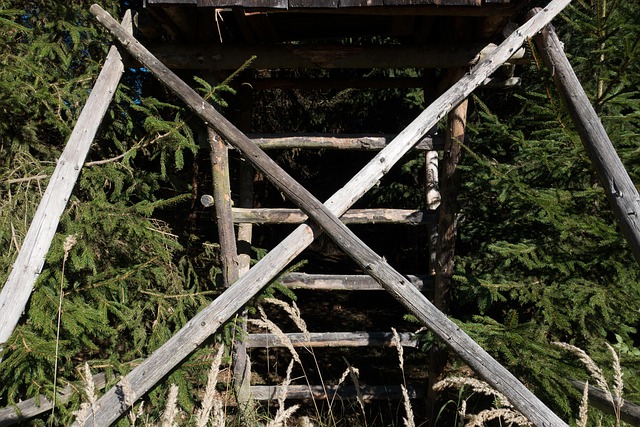
Tree Stand Maintenance: Seasonal Inspection and Safety (2026)
Keep your stand strong, quiet, and safe all year with a simple maintenance routine any hunter can follow.
🪜 Seasonal Checks🔧 Strap Replacement🛡️ Safety First📦 Smart Storage
Your tree stand holds you 15 to 25 feet in the air. Regular maintenance is the cheapest insurance you can buy. A few minutes of checking straps, bolts, and welds each season can prevent a fall that changes your life. It also keeps your stand quiet, so you do not spook that big buck with a squeaky platform. 🦌
This guide walks you through seasonal inspection, strap replacement, rust and wear checks, storage, and safety in plain steps. You do not need to be a mechanic. You just need a routine and a little time.

Why Tree Stand Maintenance Matters
Tree stand falls are one of the top causes of hunting injuries every year. Most falls do not happen because a hunter was careless in the tree. They happen because a strap rotted, a weld cracked, or a bolt worked loose over the off-season. Maintenance stops small problems from becoming big ones.
Think about what your stand goes through. It hangs outside in rain, sun, snow, and wind for months. UV light breaks down nylon straps. Water gets into welds and starts rust. Squirrels chew on webbing. Temperature swings loosen hardware. None of this is visible from the ground, which is why a close yearly check is so important. ⚠️
Good upkeep also protects your hunt. A stand that creaks, rattles, or shifts will warn deer long before you get a shot. Quiet, tight hardware keeps you hidden. And a stand you trust lets you focus on the woods instead of worrying about the platform under your boots. For a deeper look at what goes wrong, read our guide to faulty tree stands and how to spot trouble early. A little care each season pays you back with safety, silence, and years of extra use.
Your Seasonal Maintenance Schedule
Maintenance is easiest when you tie it to the seasons. You do not need to do everything at once. Spread small tasks across the year so nothing piles up. Here is a simple schedule that works for hang-on stands, ladder stands, and climbers alike.
| Season | Main Tasks | Time Needed |
|---|---|---|
| Spring | Deep clean, full hardware check, treat rust, replace worn straps | 1 to 2 hours |
| Summer | Check straps and cables on hung stands, tighten bolts, trim shooting lanes | 30 minutes |
| Early Fall | Full pre-season safety inspection, test harness, hang fresh straps | 1 hour |
| Late Season | Wipe down after each sit, watch for ice damage, listen for squeaks | 5 minutes |
| Post-Season | Take stands down, clean, dry, and store indoors | 1 to 2 hours |
The two most important windows are early fall and post-season. In early fall you confirm the stand is safe before you climb. After the season you clean and store the stand so it does not sit outside decaying all winter. If you only have time for two jobs a year, make it those two. ✅
The Pre-Season Inspection Checklist
Before your first climb of the year, give every stand a slow, hands-on inspection. Do this at home or on the ground, never for the first time while you are strapped 20 feet up. Start at the top and work down so you do not miss anything.
What to check
- ✅ Straps and ratchets for cuts, fading, stiffness, or fraying
- ✅ Cables and chains for kinks, rust, or stretched links
- ✅ Welds for cracks or rust bubbles
- ✅ Bolts and pins for tightness and full seating
- ✅ Platform and seat for bends, cracks, or missing rivets
- ✅ Standing and gripping surfaces for slick spots or worn grip tape
Wiggle the stand hard once it is set up. It should feel solid with no give, no pops, and no shifting. If anything feels loose or sounds wrong, fix it before you hunt. When in doubt, take the whole stand out of service. A cheap strap or bolt is far cheaper than a hospital visit. Our full tree stand safety checklist is a great companion to print and keep in your pack.
Inspecting Straps, Ratchets, and Cables
Straps are the part most likely to fail, because nylon and polyester webbing break down in sunlight. A strap can look fine from a distance and still be dangerously weak. Get close and use your hands, not just your eyes. 🔦
Signs a strap is failing
Look for fading color, which is the first clue that UV has damaged the fibers. Feel for stiffness; healthy webbing is soft and flexes easily, while sun-baked webbing feels hard like cardboard. Check for fuzzy edges, cuts, chew marks, and any spot where the weave has pulled apart. Pull each strap firmly and watch how it behaves.
Ratchets deserve the same care. Spray the moving parts, make sure the teeth grip and release cleanly, and confirm the spring snaps back. A ratchet that slips under load is just as dangerous as a torn strap. For cables and chains on hang-on stands, look for rust, kinks, and stretched or opened links. Replace any cable that shows broken wire strands. When you rehang a stand, always use fresh straps rather than trusting last year’s set. Learn to hang your tree stand correctly so straps wear evenly and hold tight.
Fresh, rated webbing is the simplest safety upgrade you can make each season. These heavy-duty straps replace worn or sun-damaged ratchet straps on hang-on and ladder stands.
- ✅ Replaces worn or faded straps in minutes
- ✅ UV-resistant weave resists sun damage
- ✅ Smooth ratchet grips and releases cleanly
- ✅ Cheap insurance for every hang
Our pick on Amazon: Rhino USA Ratchet Straps, 4-Pack, 15 ftThe specs above describe what to look for. Check the listing for this model’s exact specifications and current price.
Price and availability on Amazon.com. This site may earn a commission.
Repair or Replace? Knowing When Straps Are Done
Straps are wear items, like tires on a truck. You do not repair a worn ratchet strap with tape or knots; you replace it. The table below shows what to do when you spot common problems. When there is any doubt, the safe answer is always replace.
| Condition | What It Means | Action |
|---|---|---|
| Faded color, still soft | Early sun damage | Replace within a season |
| Stiff, board-like feel | UV has weakened fibers | Replace now |
| Cuts, fraying, or chew marks | Fibers are severed | Replace now |
| Ratchet slips under load | Worn teeth or spring | Replace the ratchet |
| Rust locking the ratchet | Corrosion inside | Clean and test, replace if it sticks |
| More than 3 seasons old | Past safe service life | Replace as routine |
As a rule of thumb, plan to replace tree stand straps every one to three seasons, even if they look okay. Straps that stay on the tree year-round wear out fastest and should be changed yearly. Buy straps rated for tree stand use, not generic hardware-store tie-downs, and match the rating to your body weight plus gear. ⚠️
Rust, Corrosion, and Metal Wear Checks
Metal parts rust when moisture sits on bare steel. Surface rust is common and usually easy to treat. Deep rust that flakes, pits, or eats into a weld is a warning sign that the part may be losing strength. 🧰
How to treat surface rust
Scrub light rust with a wire brush or steel wool until you reach clean metal. Wipe the area dry, then coat it with a thin layer of protectant oil or a rust-blocking spray. This stops the rust from spreading and keeps hinges and folding parts moving freely. Pay special attention to bolts, pivot points, climbing pins, and the base of welds, where water likes to collect.
Know when rust is too far gone. If you can push a screwdriver tip into a pitted weld, if metal flakes off in sheets, or if a bolt is rusted so thin it bends, retire that part or the whole stand. Structural rust does not get better on its own. It is not worth risking a fall to save an old frame. Treat rust early every spring and you will rarely face the hard choice of scrapping a stand you like.
Bolts, Welds, Platforms, and Chains
The frame is what actually holds your weight, so give it a careful look. Bolts and pins loosen over time from vibration and temperature swings. Go around the whole stand and snug every bolt to firm, but do not strip the threads. Replace any bolt, nut, or pin that is bent, cross-threaded, or missing.
Welds and joints
Welds are the joints where tubes meet. Look for hairline cracks, rust bubbles, or gaps around the weld bead. Tap suspicious welds and listen; a solid weld rings, while a cracked one sounds dull. Any cracked weld means the stand is out of service until a pro repairs it, and often it is safer to retire it.
Check the platform and seat for bends, cracks, and worn welds where you stand and sit. Confirm the grip surface still has bite, because a slick platform in frost is a real hazard. On climbers, inspect the cables and blade teeth that grab the tree. On ladder and hang-on stands, check every chain link and the receiver that holds the platform to the tree. Replace any part you are not sure about, because guessing has no place 20 feet up.
Cleaning and Lubricating Your Stand
A clean stand lasts longer and works better. Dirt traps moisture, and moisture causes rust. Mud, sap, and leaves also add scent and noise that can cost you a deer. Once a year, give the whole stand a good cleaning. 🧼
Simple cleaning steps
Knock off loose dirt and leaves. Wash metal parts with warm water and a mild soap, then scrub stubborn spots with a brush. Rinse and dry the stand fully; never store it wet. Wipe webbing straps with a damp cloth only, since harsh soaps and solvents can weaken the fibers. Let straps air-dry out of direct sun.
Once dry, lubricate the moving parts. A little silicone spray or light machine oil on ratchets, hinges, folding seats, and climbing pins keeps them quiet and smooth. Wipe away extra oil so it does not collect grit. Avoid heavy grease, which grabs dust and turns gummy in the cold. Finish with a light coat of protectant on bare metal to hold off rust. A quiet, smooth stand is a stand that will not squeak at the worst moment and blow your cover. 🤫
Safe Off-Season Storage
Where and how you store your stand matters as much as any repair. Stands left hanging in the tree all year rot the fastest. Sun, rain, and freeze-thaw cycles attack straps and welds around the clock. Whenever you can, bring stands indoors for the off-season.
Store your stand in a dry, shaded spot like a garage, shed, or basement. Hang it off the floor so air moves around it and moisture does not wick up from concrete. Keep straps in a bin away from sunlight, heat, and rodents, which love to chew webbing. Loosen ratchets so the springs are not under tension for months.
| Maintenance Item | DIY Cost | Pro or Replacement Cost |
|---|---|---|
| Replacement ratchet straps (pair) | $15 to $30 | n/a |
| Full safety harness | $60 to $150 | n/a |
| Silicone spray or protectant oil | $8 to $15 | n/a |
| Rust removal supplies | $10 to $20 | n/a |
| New hang-on stand | n/a | $90 to $250 |
| Weld repair by a pro | n/a | $30 to $75 |
As the table shows, a full year of maintenance supplies costs less than a single new stand. Spending $40 to $60 a year keeps your gear safe and saves you from buying replacements. Good storage is free and doubles the life of everything you own. 📦
Harness and Lifeline Care
Your safety harness is the one item that will actually save your life in a fall, so it needs the same care as the stand, if not more. A harness is only good if it is in sound shape and worn every single time you leave the ground. 🛡️
Inspecting your harness
Check the webbing for cuts, fraying, fading, and stiffness, just like your stand straps. Inspect the stitching for pulled or broken threads. Test every buckle to be sure it locks and releases cleanly. Look at the tether and the tree strap for wear where they rub. Read the tag; most harnesses have a service life of about five years from first use, and any harness that has caught a fall must be retired at once.
Pair your harness with a lifeline so you stay connected from the ground up and back down. Store both indoors, dry, and out of sunlight. Never leave a harness hanging outside all season. For more on choosing and using fall protection, see our guide to the tree stand harness. A good harness is cheap peace of mind for every hunt.
A full-body harness is the one piece of gear that can save your life in a fall. Modern harnesses are light, quiet, and comfortable enough to wear on every sit.
- ✅ Keeps you connected from the ground up
- ✅ Lightweight webbing wears comfortably all day
- ✅ Quick-connect buckles for fast, quiet setup
- ✅ Pairs with a lifeline for full coverage
Our pick on Amazon: Muddy Lightweight Padded Tree Stand Safety HarnessThe specs above describe what to look for. Check the listing for this model’s exact specifications and current price.
Price and availability on Amazon.com. This site may earn a commission.
Common Tree Stand Maintenance Mistakes
Even careful hunters slip into bad habits. Watch out for these common mistakes, and use the quick fixes to stay safe. ⚠️
- Mistake: Leaving stands and straps hanging in the tree all year. Fix: Take them down and store them indoors during the off-season.
- Mistake: Judging straps by looks alone. Fix: Feel every strap for stiffness and hidden cuts, and replace on a schedule.
- Mistake: Using generic tie-down straps not rated for stands. Fix: Buy webbing made and rated for tree stand use.
- Mistake: Ignoring surface rust until it eats a weld. Fix: Scrub and oil light rust every spring before it spreads.
- Mistake: Over-tightening bolts and stripping the threads. Fix: Snug bolts firmly with hand tools, not with all your might.
- Mistake: Skipping the harness inspection. Fix: Check webbing, stitching, and buckles every year and retire it after five years.
- Mistake: Storing the stand wet. Fix: Dry it fully first so rust and mildew cannot set in.
Pro Tips and a Key Insight
These small habits separate hunters who trust their gear from those who get surprised in the tree. 💡
- 💡 Keep a maintenance log with the date each stand and strap went into service, so you never guess their age.
- 💡 Number your stands and straps so you can track and rotate them season to season.
- 💡 Carry a small kit with a spare strap, a multi-tool, and a rag on every hang.
- 💡 Replace all straps on a stand at once, not one at a time, since they age together.
- 💡 Do a hard shake test every time you set up, before you trust the stand with your weight.
- 💡 Store straps in a sealed tote with a bar of soap or cedar block to keep mice away.
The stand did not fail the day it fell. It failed months earlier, in the sun and rain, while no one was looking. Maintenance is simply looking before it is too late.
Build these habits into your season, and safety becomes automatic. The best hunters treat maintenance as part of the hunt, not a chore. A stand you trust lets you sit longer, stay calmer, and shoot straighter when the moment comes.
Frequently Asked Questions
How often should I replace tree stand straps?
Replace them every one to three seasons, and yearly if they stay on the tree all year. Any strap that is faded, stiff, cut, or chewed should be replaced right away, no matter its age.
Can I leave my tree stand out all year?
You can, but you should not. Sun, rain, and freeze-thaw cycles wear out straps and welds fast. Taking the stand down and storing it indoors can double its life and keeps you far safer.
How do I get rust off my tree stand?
Scrub light rust with a wire brush or steel wool until you reach clean metal, wipe it dry, and coat it with protectant oil. Retire any part with deep, flaking, or structural rust.
What is the best way to store tree stand straps?
Keep them in a sealed bin in a dry, shaded spot, away from heat and rodents. Loosen the ratchets so the springs are not under tension, and never store straps wet.
How long does a safety harness last?
Most harnesses are rated for about five years from first use. Retire it sooner if you see cuts, fraying, or broken stitching, and always retire a harness that has caught a fall.
How do I stop my tree stand from squeaking?
Clean and dry the moving parts, then add a little silicone spray or light oil to ratchets, hinges, and pins. Tighten loose bolts and add a strip of foam or felt where metal rubs metal.
- ✅ Inspect straps, cables, and chains for wear, cuts, and rust
- ✅ Replace any strap that is faded, stiff, cut, or over three seasons old
- ✅ Tighten all bolts and pins and check every weld for cracks
- ✅ Treat surface rust and coat bare metal with protectant
- ✅ Clean and dry the stand, then lube the moving parts
- ✅ Inspect your harness webbing, stitching, and buckles
- ✅ Store stands and straps indoors, dry, and off the floor
- ✅ Do a hard shake test every time before you climb
Tree stand maintenance is not hard, and it does not take long. A few minutes each season keeps you safe, keeps your setup quiet, and keeps your gear working for years. Take care of your stand, and it will take care of you. Now get out there and hunt with confidence. 🦌