Best Deer Hunting Scopes Under $500: Top Value Picks (2026)
As an Amazon Associate, Deer Hunting Success may earn from qualifying purchases.
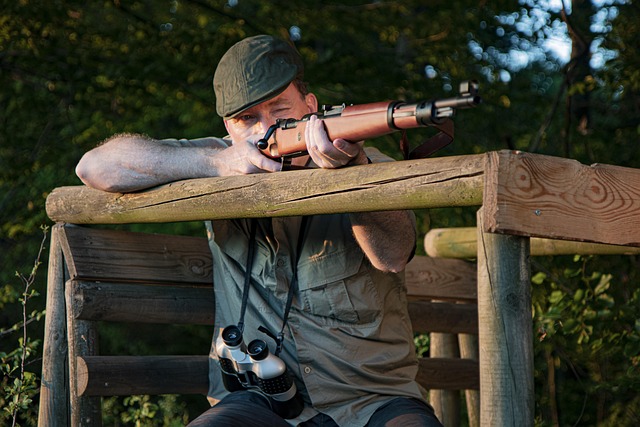
Best Deer Hunting Scopes Under $500: Top Value Picks (2026)
Sharp glass, honest prices, and dead-on accuracy. Here is how to pick a rifle scope that punches far above its price tag this season.
🎯 Tack-Driving Accuracy
🦌 Whitetail Ready
💵 Under $500
🔭 Bright, Clear Glass
You do not need to spend a thousand dollars to shoot straight. Some of the best deer hunting scopes on the market today cost less than $500, and a few come in well under $300. Modern glass, coatings, and machining have gotten so good that budget scopes now do what only premium models could a decade ago.
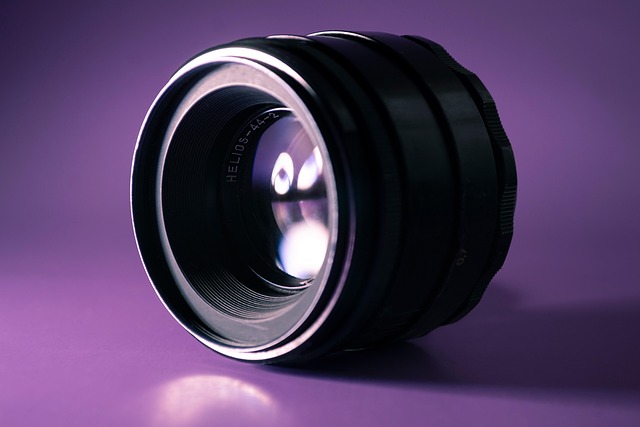
Side-by-Side Comparison of Top Value Scopes
To make your choice easier, here is how four popular sub-$500 scopes stack up. All four are proven whitetail performers, so the right pick comes down to your range, your budget, and whether you want to dial or hold.
| Scope | Magnification | Objective | Reticle | Best For |
|---|---|---|---|---|
| Vortex Diamondback Tactical | 4-16x | 44mm | EBR-2C MOA | Longer shots, dialing |
| Leupold VX-Freedom | 3-9x | 40mm | Duplex | Timber, low light |
| Vortex Crossfire II | 3-9x | 40mm | Dead-Hold BDC | Budget all-arounder |
| Bushnell Banner 2 | 3-9x | 40mm | Multi-X | Under $150 dusk-to-dawn |
If you hunt fields and want to reach past 300 yards, the Diamondback Tactical is the clear pick. If you live in the timber and value light weight plus bright glass, the VX-Freedom wins. On a tight budget, the Crossfire II delivers most of the performance for far less, and the Banner 2 is a low-light bargain. For a deeper dive into one brand, see our roundup of the best Vortex scopes for deer hunting. There is no wrong answer here, only the best fit for your woods. 🎯
Matching the Scope to Your Rifle and Hunt
A great scope on the wrong setup still disappoints. Take a minute to match the scope to your rifle, your caliber, and the country you hunt. It saves money and headaches down the road.
Match the Tube and Rings
Scopes come with one-inch or 30mm tubes. The tube size must match your rings. A 30mm tube offers more adjustment range and often a beefier build, while a one-inch tube keeps things light and cheap. Neither is better for deer, but you must buy rings that fit and get the height right for your objective size.
Match the Recoil
Hard-kicking calibers punish cheap scopes. If you shoot a magnum, insist on generous eye relief and a proven shockproof model so the scope does not lose zero or crack an eye. For standard deer calibers, almost any quality budget scope holds up fine. Not sure what to shoot? Our guide on the best caliber for deer hunting can help.
Match the Terrain
Thick timber calls for low magnification and a fast, forgiving eye box. Open fields and western hunts reward more power and a BDC or dialing turret. Be honest about where you spend most of your time. Buy for your average shot, not the one long poke you might get once a season.
When the tube, the recoil rating, and the magnification all fit your real hunting, the scope disappears and you just shoot. That is the goal. A well-matched $300 scope beats a mismatched $600 one every single time. Take the extra minute to get it right before you buy. 👍
How to Mount and Sight In Your New Scope
Even the best scope fails if you mount it poorly. The good news is that a careful hunter can do a solid job at the kitchen table with a few tools. Here is the short version.
Mount It Level and Square
Use quality rings and a torque wrench. Snug the base screws to spec, set the scope so the reticle is level with the rifle, and set your eye relief by shouldering the gun naturally with your eyes closed, then opening them. The full, clear picture should be right there. Tighten the ring screws in a cross pattern a little at a time.
Bore Sight First
Remove the bolt, rest the rifle steady, and look down the bore at a target 25 to 50 yards away. Without moving the rifle, adjust the turrets until the crosshair sits on the same spot the bore points at. This gets you on paper fast and saves ammo.
Sight In and Confirm
Fire a group at 25 yards, adjust to center, then move to 100 yards. Most deer hunters zero one to two inches high at 100 yards, which keeps them dead-on out to around 200. Fire a confirming three-shot group and let the barrel cool between groups. Write your final settings down so you never forget them.
Once zeroed, do not touch the turrets unless you are deliberately dialing. Tape or a turret cap helps prevent accidental bumps. Recheck your zero at the start of each season and after any hard knock. A scope that is mounted right and confirmed on paper is a scope you can trust when the moment finally comes. ✅
Common Mistakes Hunters Make Buying Scopes
We have all made a few of these. Learn from them and you will spend smarter and shoot better. Here are the traps to avoid when picking a sub-$500 scope.
- Mistake: Buying the most magnification you can afford. Fix: Choose power based on your real shot distances. A 3-9x covers most whitetail hunting better than a shaky 6-24x.
- Mistake: Skimping on rings and mounts after buying a good scope. Fix: Budget for quality rings and a torque wrench. Cheap mounts ruin good glass by shifting under recoil.
- Mistake: Ignoring eye relief on a hard-kicking rifle. Fix: Confirm at least three and a half inches of eye relief so the scope never gives you a scope bite.
- Mistake: Chasing brand names over features. Fix: Compare glass coatings, warranty, and sealing. A well-built value scope often beats a big name at the same price.
- Mistake: Never re-checking zero. Fix: Confirm your zero every season and after any hard bump in the truck or stand.
- Mistake: Forgetting the warranty. Fix: Favor brands with a no-fault lifetime warranty so a failure never costs you a whole season.
Notice a theme. Most mistakes come from spending on the wrong thing. Put your money into glass, sealing, and a good mount, and skip the flashy extras you will never use. Your future self, sitting in a cold stand at last light, will thank you. ⚠️
Pro Tips From the Field
These are the little habits that separate hunters who trust their gear from those who guess. None cost much, and all of them make a budget scope perform like a pricier one.
- 💡 Set your variable scope to a middle power like 6x and leave it there. You can snap onto close deer and still reach across a field without fumbling the dial.
- 💡 Keep your objective lens covered until you are ready to hunt. Flip-up caps protect the glass from rain, snow, and dust that steal light.
- 💡 Learn your holdover at 200 and 300 yards on paper, so a longer shot becomes a known quantity, not a guess.
- 💡 Carry a small lens cloth. A smudge or a snowflake on the ocular lens can blur a shot you would otherwise make.
- 💡 Use thread locker on your base screws and torque your rings to spec. Vibration loosens screws over a season and that shifts your zero.
- 💡 Practice from field positions, not just a bench. A forgiving eye box only helps if you have felt it kneeling and leaning on a tree.
The best scope is the one you have zeroed, trust completely, and can find the picture through in one second when a buck steps out. Glass quality means nothing if you fumble the shot.
Do a few of these and your inexpensive scope will feel like a custom rig. Confidence in the field comes from preparation, and preparation is free. 🎯
Frequently Asked Questions
Is a scope under $500 good enough for deer hunting?
Absolutely. Modern glass and coatings mean a $200 to $500 scope will handle nearly any whitetail situation. Most deer are shot inside 200 yards, and quality budget scopes are more than sharp and reliable enough for that. Spend on glass, sealing, and warranty, and you will not feel outgunned.
What magnification is best for whitetail deer?
A 3-9x scope is the time-tested answer. It gives you low power for fast, close shots in timber and enough zoom for shots across a field. Only step up to 4-16x or higher if you regularly hunt open country or take shots past 300 yards.
Do I need an illuminated reticle?
Not really, but it can help. An illuminated center dot makes aiming easier against a dark deer in heavy shadow or the last minutes of light. If your budget allows it, it is a nice touch. If not, a bright scope with a clean duplex works just fine.
Is a 30mm or one-inch tube better?
For deer hunting, neither is clearly better. A 30mm tube offers more adjustment range and often a tougher build, while a one-inch tube is lighter and cheaper. Pick the one that matches your rings and your budget. Both hold zero when they are built well.
How much should I spend on scope rings?
Plan to spend $30 to $80 on quality rings or a one-piece mount. Good rings keep your scope from shifting under recoil, which protects your zero. It makes no sense to save on the one part that holds your expensive glass in place.
Can I put a budget scope on a hard-kicking magnum?
Yes, if you choose wisely. Pick a proven shockproof model with at least three and a half inches of eye relief and a strong warranty. Many value scopes handle magnum recoil for years without losing zero, but generous eye relief keeps the scope off your brow.
- ✅ Confirm the glass is fully multi-coated for low-light clarity
- ✅ Choose magnification that fits your real shot distances
- ✅ Pick a 40mm to 44mm objective for balance and light
- ✅ Verify it is waterproof, fogproof, and shockproof
- ✅ Match the tube size to quality rings you also buy
- ✅ Favor a no-fault lifetime warranty
- ✅ Mount level, bore sight, then confirm zero on paper
- ✅ Recheck your zero at the start of every season
You do not need to empty your wallet to shoot straight and fill the freezer. A carefully chosen scope under $500, mounted right and zeroed with care, will serve you honestly for many seasons. Focus on bright glass, solid sealing, a reticle that fits your hunting, and a warranty that has your back. Do that, and the next time a buck steps into the last light of the day, you will be ready. Good luck out there, and shoot straight. 🦌